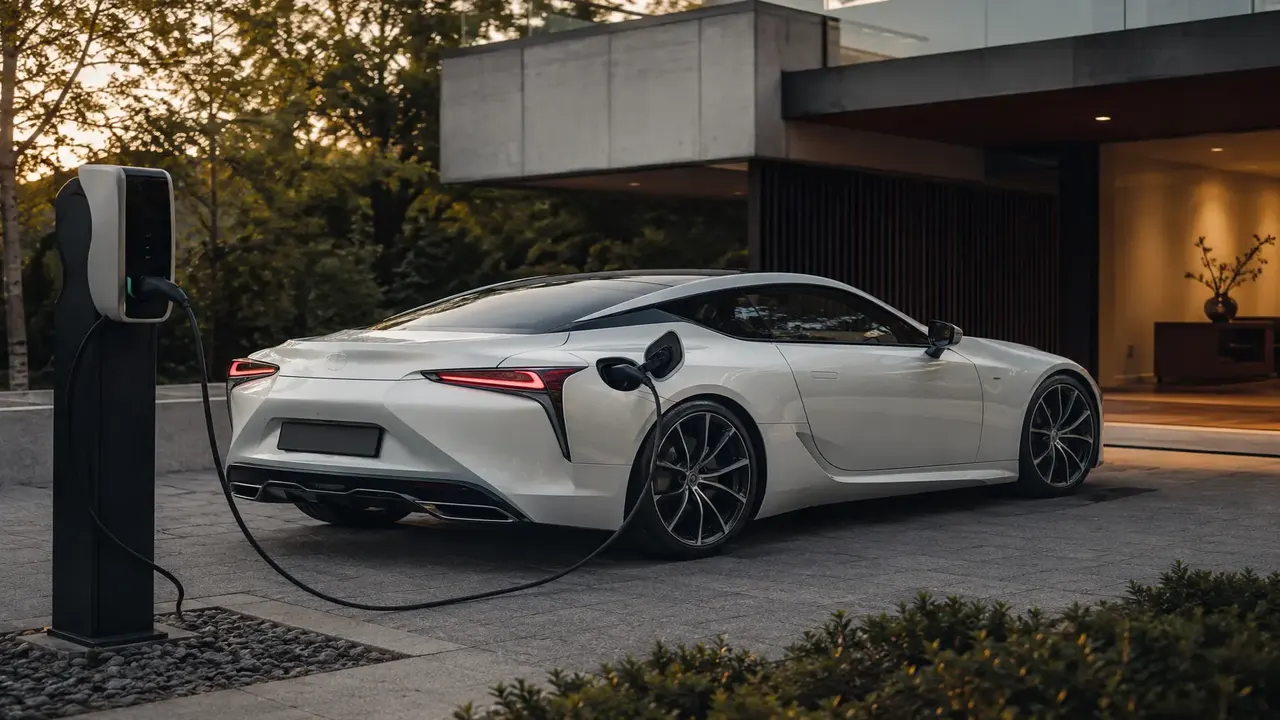
Home charging cables (EVSEs) last longest when kept off the ground, coiled loosely rather than kinked, protected from standing water at the connector, and never used with a household extension cord. Inspect the cable and plug for cracks, exposed wire, or scorch marks every few months, and have any dedicated Level 2 circuit installed and periodically checked by a licensed electrician rather than a DIY wiring job.
At a glance
| Habit | Why it matters |
|---|---|
| Keep cable off the ground | Reduces abrasion, trip hazard, and water exposure |
| Coil loosely, don't kink | Kinks stress internal conductors and can cause early failure |
| Never use a household extension cord | Not rated for sustained EV charging current — fire risk |
| Inspect every few months | Catches cracks/wear before they become a hazard |
Why cable care matters more than people think
A home charging cable carries meaningful current for hours at a time, sits outside in all weather if you charge in a driveway, and gets coiled and uncoiled daily. That combination of electrical load, weather exposure, and mechanical wear makes it one of the more failure-prone parts of a home charging setup — and unlike a dead battery, a damaged charging cable can be a genuine fire or shock hazard.
Daily habits that extend cable life
- Coil the cable loosely using the figure-eight or over-under method rather than tight loops, which stress the internal wiring at consistent stress points.
- Avoid letting the cable drag on pavement or sit in puddles, especially at the connector end.
- Don't yank the cable to unplug — pull the connector by its body, not the cord.
- Store the cable off the ground when not in use, ideally on a wall mount or dedicated holder rather than coiled on the garage floor where it can be run over or tripped on.
- Let the connector cool briefly after a fast, high-current session before handling if it feels warm — this is more relevant to public DC fast chargers than home Level 2, but the principle holds.
Outdoor charging setups need extra care
If your charging point is outdoors, confirm the outlet or hardwired unit is rated for outdoor/wet-location use (in the US, this typically means a weatherproof, in-use cover and a GFCI-protected circuit). Never charge using a household extension cord — they're not rated for the sustained current EV charging draws and are a documented fire risk. If you need the charger farther from your parking spot than the supplied cable reaches, the right fix is professional relocation of the circuit or unit, not an extension cord.
Stop using the cable and call an electrician or the charger manufacturer if you notice: a burning smell, visible scorch marks or melted plastic at the connector or outlet, a cable that's warm along its length rather than just at the connector during a session, or exposed wiring anywhere along the cord.
Installation and inspection
A dedicated Level 2 charging circuit should be installed by a licensed electrician sized correctly for your charger's amperage draw — this isn't a DIY wiring project. Have the installation and outlet/hardwire connection checked periodically, especially if you notice the outlet or plug feels warm to the touch after a session, which can indicate a loose connection.
Cleaning and connector care
Wipe down the connector and cable with a dry or slightly damp cloth as needed — avoid pressure-washing or hosing down the connector directly. Keep the vehicle's charging port cover closed when not charging to keep dirt and moisture out, and check the port itself periodically for debris that could prevent a solid connection.
Frequently asked questions
Can I use a household extension cord to charge my EV?
How do I know if my charging cable is damaged?
Is it OK to leave the charging cable outside permanently?
Should an electrician install my home charger?
How often should I inspect my charging cable?
Sources & further reading
- U.S. Department of Energy — Alternative Fuels Data Center, home EV charging
- UL Solutions — electric vehicle charging equipment safety standards
Figures, prices and policy details were current at the last-updated date above. Automotive pricing, incentives and regulations change frequently — verify time-sensitive details with the linked primary sources. Read our editorial policy and fact-checking standards.