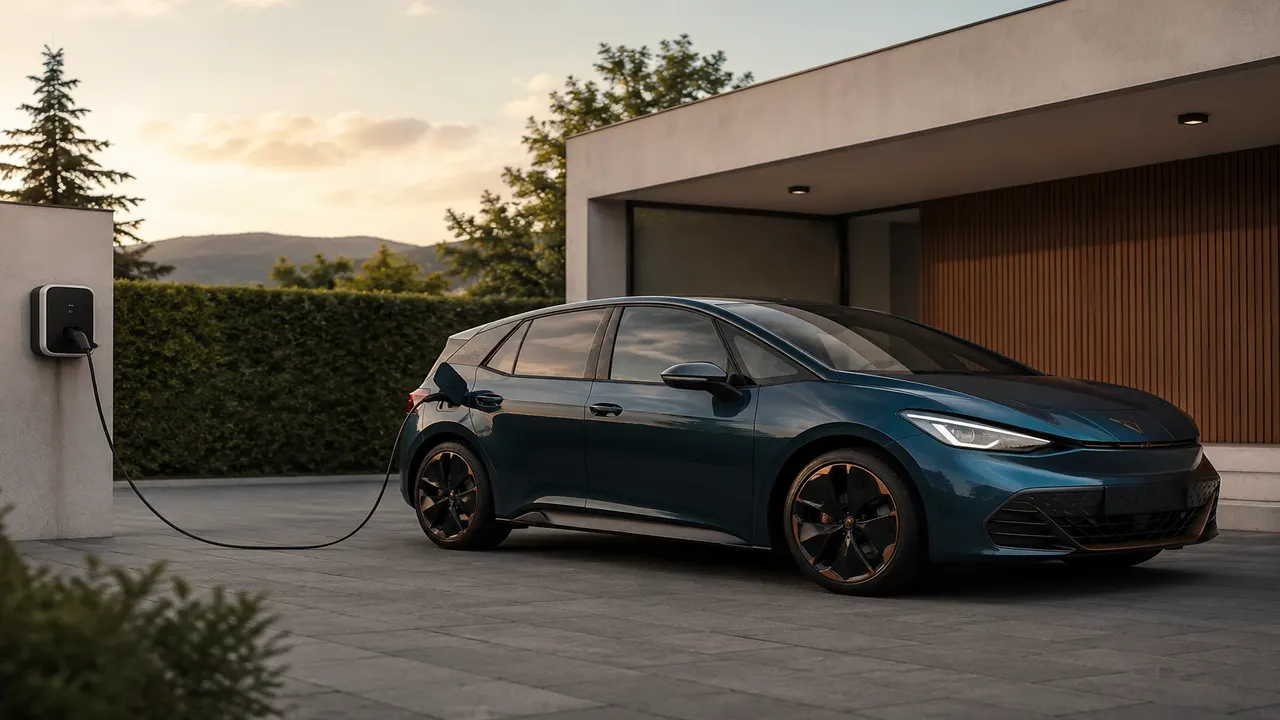
Most plug-in hybrids (PHEVs) have 20-40 miles of electric-only range, enough for many daily commutes, and are designed to be charged every night like a full EV rather than occasionally — a standard 120V outlet (Level 1) is often sufficient to fully recharge a PHEV's smaller battery overnight. Because the gas engine runs less, fuel can go stale after months of little use, so manufacturers commonly recommend occasional engine-only driving or note that the car cycles the engine periodically on its own to keep it healthy.
At a glance
| Item | Typical detail |
|---|---|
| Electric-only range | 20-40 miles depending on model |
| Charging method | Level 1 (120V) often sufficient overnight; Level 2 charges faster |
| Charging frequency | Nightly, like an EV — not occasional top-ups |
| Engine upkeep | Fuel can go stale with little use; some models auto-cycle the engine |
Charge it like an EV, not like a top-up
The single biggest factor in whether a PHEV delivers its promised fuel savings is simple: does the owner actually plug it in every day? A PHEV driven mostly on gasoline because it's rarely charged gets worse real-world fuel economy than its EPA/manufacturer ratings suggest, since those ratings assume regular charging. Because most PHEV batteries are much smaller than a full EV's, a standard 120V household outlet (Level 1 charging) is often enough to fully recharge overnight — you don't necessarily need a dedicated Level 2 charger, though one will charge faster and can matter if your daily electric-range needs exceed what an overnight Level 1 session provides.
Building the routine
- Plug in every time you park at home, the same way you'd plug in a phone — not just when the battery is empty.
- If your commute or daily driving fits within the electric-only range, you can realistically do most day-to-day driving on electricity alone, saving the gas engine for longer trips.
- Check whether your specific model lets you schedule charging (useful for off-peak electricity rates) or set a maximum charge limit for daily use.
- Use a Level 2 charger if your daily electric mileage needs exceed a full overnight Level 1 charge, or if you want faster top-ups during the day.
Don't forget the engine still needs attention
A PHEV driven mostly in electric mode runs its gasoline engine far less than a conventional car — which is great for fuel savings but means gasoline can sit in the tank for months, gradually degrading. Many manufacturers address this by having the car's software periodically start and run the engine on its own, even if you never touch the gas pedal, specifically to cycle old fuel and keep engine components lubricated and seals conditioned. If your model doesn't do this automatically, occasional longer highway drives that use the gas engine, or using a fuel stabilizer for infrequently used fuel, can help avoid stale-fuel issues.
Signs your engine isn't getting enough exercise
- A "low fuel system performance" or similar warning after months of mostly-electric driving.
- Rough running or hesitation the first time the engine kicks in after a long electric-only stretch.
- A dashboard prompt (on some models) specifically telling you to drive using the engine or take it in for service.
How aggressively a PHEV manages its own engine-cycling and fuel-freshness varies a lot between manufacturers. Some handle it almost entirely in software; others rely more on the owner to occasionally drive in hybrid/engine mode. Check your owner's manual for model-specific guidance rather than assuming your PHEV behaves like another brand's.
Maintenance implications
Because the engine runs less, oil can also degrade by time rather than mileage in a PHEV driven mostly on electric power — meaning an interval-based oil change (e.g., "every 12 months") may kick in before a mileage-based one would. Follow whichever comes first per your manufacturer's schedule, and don't assume low mileage alone means the oil is still fresh enough to skip a scheduled change.
Frequently asked questions
Do I need a Level 2 charger for a plug-in hybrid?
What happens if I never charge my plug-in hybrid?
Does gas go bad in a plug-in hybrid if I mostly drive electric?
How far can a plug-in hybrid go on electric power alone?
Should I still get oil changes if I barely use the engine?
Sources & further reading
- U.S. Department of Energy — Alternative Fuels Data Center, plug-in hybrid basics
- fueleconomy.gov — plug-in hybrid fuel economy and charging information
Figures, prices and policy details were current at the last-updated date above. Automotive pricing, incentives and regulations change frequently — verify time-sensitive details with the linked primary sources. Read our editorial policy and fact-checking standards.