EV battery systems typically operate between 300 and 800 volts DC — far above the roughly 12-48V considered generally safe for casual contact. Orange cables, orange connectors, and "High Voltage" warning labels mark components that only trained, properly equipped technicians should open. Owners can safely handle 12V accessory-battery work, wipers, cabin air filters, and tires; anything behind an orange cover, including the battery pack, inverter, and main HV cabling, is off-limits for DIY.
At a glance
| Item | Detail |
|---|---|
| Typical EV pack voltage | 300-800V DC (varies by platform) |
| Visual warning | Orange cables/connectors, HV warning triangle labels |
| Safe for owners to DIY | 12V battery, wipers, cabin filter, tires, exterior bulbs |
| Not safe for DIY | Battery pack, inverter, main HV wiring, onboard charger internals |
Why EV voltage is different from a regular car battery
A conventional car's 12V battery can shock you but rarely kill you under normal handling. An EV traction battery is a different animal: hundreds of individual cells wired in series to produce enough voltage — commonly 300-800V DC — to run the motor efficiently. At that voltage, DC current can cause severe injury or death, which is why manufacturers isolate these systems behind bright orange insulation, physical covers, and interlocks that shut the system down if a connector is opened while the car is "on."
How to recognize high-voltage components
- Orange or orange-striped cables running from the battery pack to the motor and other components.
- Yellow-and-black or orange warning labels reading "High Voltage," "Danger," or showing a lightning-bolt-in-triangle symbol.
- A dedicated service disconnect plug (sometimes called a service plug or manual service disconnect) inside the pack, meant only for trained technicians.
What's genuinely fine to DIY
Most routine EV upkeep never touches the high-voltage system. Owners can generally handle: wiper blade replacement, cabin air filter swaps, tire rotation and pressure checks, exterior bulb replacement (where accessible), washing and interior cleaning, and — with care — checking or replacing the low-voltage 12V accessory battery that many EVs still use to power accessories, locks, and the computer that wakes up the HV system.
What to leave to a certified technician
- Any work involving the battery pack enclosure, cooling lines connected to it, or its electrical connectors.
- Inverter, onboard charger, or DC-DC converter repairs.
- Motor or transmission work that requires disconnecting HV cabling.
- Anything requiring the removal of orange-taped or orange-sheathed wiring.
Never assume an EV is safe to approach or work on after a crash or flooding, even if it looks intact. Damaged battery packs can retain dangerous voltage and, rarely, develop delayed thermal runaway hours or days later. First responders follow manufacturer-specific emergency response guides — leave assessment to trained personnel and follow towing/storage guidance (many manufacturers recommend outdoor storage away from structures after suspected battery damage).
Charging safety basics
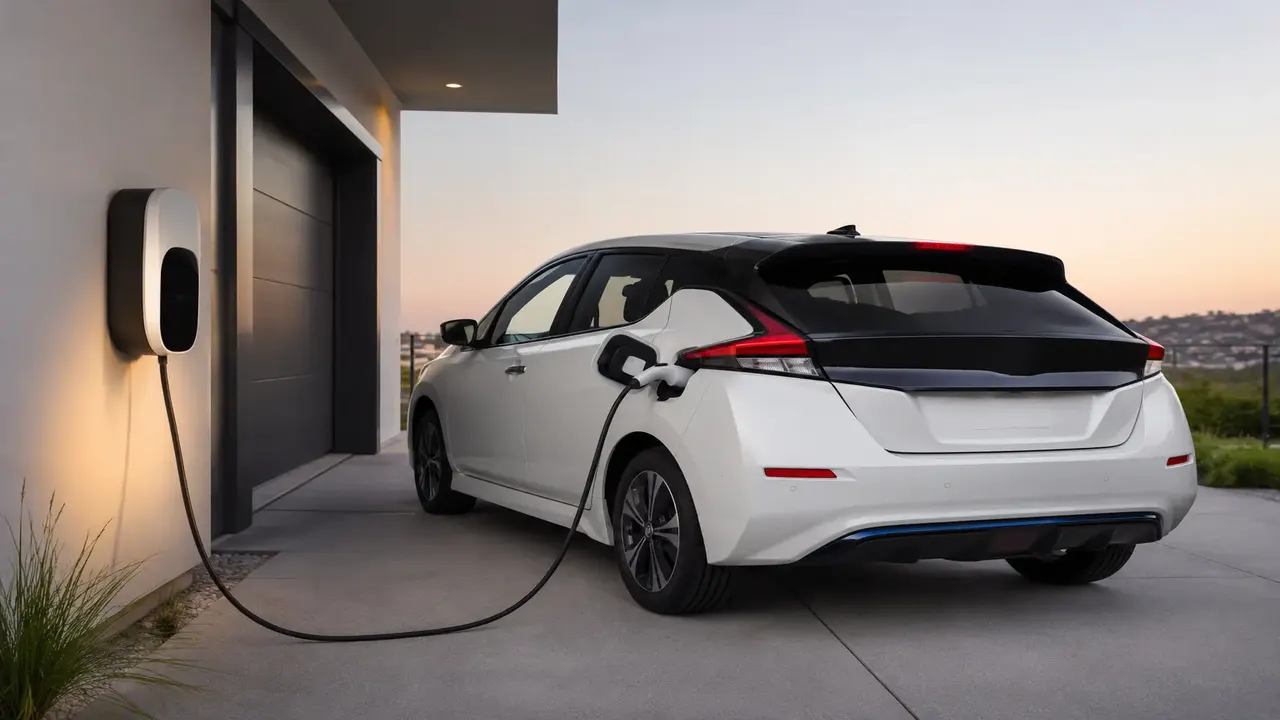
Home charging is designed to be handled safely by owners, but a few habits reduce risk: don't use damaged cables or extension cords not rated for EV charging, keep connectors and outlets dry, don't charge from an outlet that feels warm or smells odd, and have a qualified electrician install any dedicated Level 2 circuit rather than wiring it yourself unless you're licensed to do so.
When in doubt
If a repair, modification, or accessory installation would require you to go anywhere near orange cabling or the battery enclosure, stop and book a certified EV technician. The cost of professional service is small compared with the risk of a mistake at these voltages.
Frequently asked questions
How many volts does an EV battery actually carry?
Is it safe to wash an EV or drive it through a flood?
Can I replace my EV's 12V battery myself?
What do the orange cables in an EV actually mean?
Do EV first responders have special procedures?
Sources & further reading
- National Highway Traffic Safety Administration — EV safety information
- SAE International — electrified vehicle safety standards overview
Figures, prices and policy details were current at the last-updated date above. Automotive pricing, incentives and regulations change frequently — verify time-sensitive details with the linked primary sources. Read our editorial policy and fact-checking standards.