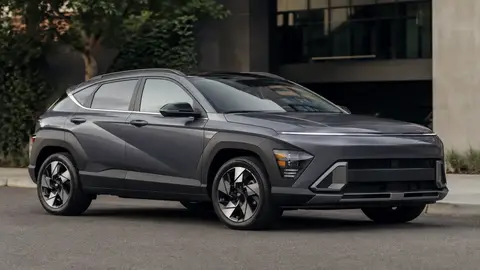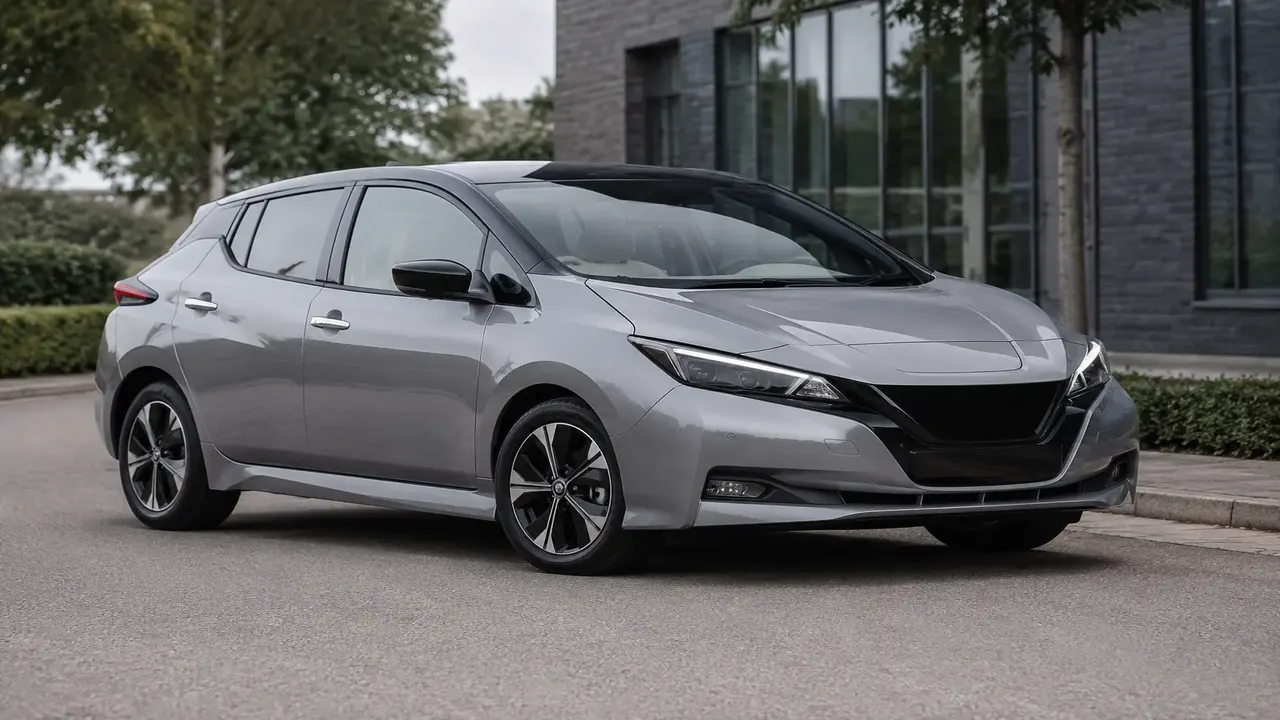
High-mileage electric cars fail MOT tests less often than comparable petrol cars, according to a new BVRLA analysis of 47.4 million tests. At 90,000 to 120,000 miles, 16.5 percent of electric cars fail against 22.1 percent of petrol cars. Buyers should still watch tyre condition, while remembering an MOT does not measure battery degradation.
At a glance
| Item | Detail |
|---|---|
| Tests analysed | 47.4 million, carried out 2024 to 2026 |
| From 60,000 miles | Electric failure rate levels off near 16% |
| 90,000-120,000 miles | Electric 16.5%, petrol 22.1% |
| Above 120,000 miles | Electric 16.0%, petrol 23.5% |
| Electric tyre defects | 1.8 times the petrol rate |
High-mileage electric cars pull ahead
For buyers worried that an electric car becomes a bigger risk once the mileage climbs, the new MOT figures give a useful counterpoint. The analysis, commissioned by the British Vehicle Rental and Leasing Association and reported on 22 September 2026, examined 47.4 million MOT tests carried out between 2024 and 2026. It drew on a historical set covering 863 million tests, giving the findings substantial real-world scale.
At lower mileages, electric and petrol cars look very similar. The BVRLA analysis found that between 20,000 and 40,000 miles, 12 percent of battery-electric cars fail their MOT, compared with 11.7 percent of petrol cars. The difference is small enough that there is little separation between the two at that stage.
The pattern changes from around 60,000 miles. The electric-car failure rate levels off at roughly 16 percent, while petrol and diesel failure rates continue to rise as mileage increases. Between 90,000 and 120,000 miles, the BVRLA figures put the electric failure rate at 16.5 percent, against 22.1 percent for comparable petrol cars. That makes a high-mileage electric car about 25 percent less likely to fail its MOT.
Above 120,000 miles, the gap becomes wider again. Electric cars record a 16.0 percent failure rate, compared with 23.5 percent for petrol cars. That does not mean every high-mileage electric car will be trouble-free, but it does challenge the simple assumption that an older, heavily used EV must be a greater mechanical risk.
What the figures mean for used-car buyers
For a used buyer, the important point is not that electric cars never develop faults. It is that the MOT failure rate does not rise with mileage in the same way as it does for petrol and diesel cars in this analysis. Auto Express reported the same pattern from the BVRLA study: after roughly 60,000 miles, the electric failure rate settles at around 16 percent while the combustion-car rates continue climbing.
The BVRLA links that pattern to the simpler mechanical layout of an electric car. Toby Poston, chief executive of the BVRLA, said: "Electric cars tend to fail less at higher mileages because they have far fewer moving parts. There's no combustion engine, no exhaust system and no conventional gearbox, so you remove a lot of the mechanical complexity and wear that traditionally starts to matter as a car racks up the miles."
That matters when judging a car with 90,000, 100,000 or more miles on its odometer. Mileage alone does not make the electric option the higher MOT risk in this dataset. For buyers comparing used cars on running-cost risk, that is a stronger signal than simply assuming the petrol car is safer because it has familiar mechanical components, and it sits alongside what we already know about EV repair costs against petrol.
There is still a limit to what those percentages can tell an individual buyer. An MOT result concerns whether the car meets the test requirements at that point. It does not provide a complete picture of every future expense. The useful takeaway is narrower: high mileage, by itself, is not associated with a rising electric-car MOT failure rate in the way it is for petrol and diesel cars here. How that feeds through to what you pay is a separate question, and one the used EV market answers on its own terms.
Tyres and battery health are the big cautions
The clearest cost warning for electric cars in the BVRLA data is tyres. Electric cars show 1.8 times more tyre defects than petrol cars. That is significant for anyone trying to estimate the likely running costs of a used EV, because the broader MOT advantage does not remove the possibility of spending more attention and money on tyre and brake wear.
The other major limitation is battery health. Battery degradation is not measured by the MOT test, so these figures cannot tell a buyer how much usable battery capacity an older or higher-mileage electric car has retained. A car can perform well in MOT statistics without those statistics answering one of the most important questions a used-EV buyer may have. What cover remains is a separate matter, and battery warranty terms are the place to check it.
Before buying a high-mileage electric car, keep the MOT findings in context:
- Check the car's MOT history rather than relying on mileage alone.
- Look closely at tyre condition and any tyre-related advisories.
- Allow for tyre costs when working out the purchase budget.
- Do not treat an MOT pass as evidence of battery health.
- Seek separate information about battery condition, because degradation is not measured by the MOT.
That combination is important. The data gives buyers a reason not to dismiss a high-mileage EV simply because of its odometer reading, but it does not turn the MOT into a complete used-car health check. The strongest evidence here concerns MOT failure rates. Battery degradation remains outside the test, while tyres stand out as the electric car's clear weakness in the figures.
EVs are also covering more miles and staying in use
The mileage data adds another useful piece of context. Electric cars in the analysis are not achieving lower high-mileage MOT failure rates because they are barely being used. The BVRLA analysis shows a median annual mileage of 27,072 miles for electric cars at their third birthday, compared with 20,499 miles for petrol cars.
There is also a longevity signal among older vehicles. At 15 years old, 94.6 percent of electric cars were returned for another MOT within 30 months, compared with 88.1 percent of petrol cars. That suggests electric cars are staying in use longer, although the figure does not measure battery condition or explain the circumstances of every vehicle that does or does not return.
Together, those findings make the high-mileage failure rates more relevant to the used market. The electric cars in the analysis are covering more miles at three years old, and the older examples are more often returning for another MOT. At the same time, their failure rate at high mileage remains below the petrol rate.
For used-car buyers, that is the practical value of the new analysis. It provides the largest real-world durability signal available and shows that high mileage is not automatically a reason to expect an electric car to fail its MOT more often. The financial caution is equally clear: budget for tyre-related costs and do not mistake MOT performance for evidence about the battery.
Electric cars showed 1.8 times more tyre defects than petrol cars, so tyre condition deserves close attention in the budget. MOT tests also do not measure battery degradation, meaning a clean MOT record cannot tell you how healthy the battery is.
Frequently asked questions
Are high-mileage electric cars reliable according to MOT data?
Do electric cars fail MOTs more often than petrol cars?
What should I check before buying a high-mileage electric car?
Does an MOT tell me if an electric car battery is healthy?
Sources & further reading
- British Vehicle Rental and Leasing Association
- Auto Express report on the BVRLA MOT analysis
- GOV.UK check MOT history service
Figures, prices and policy details were current at the last-updated date above. Automotive pricing, incentives and regulations change frequently — verify time-sensitive details with the linked primary sources. Read our editorial policy and fact-checking standards.