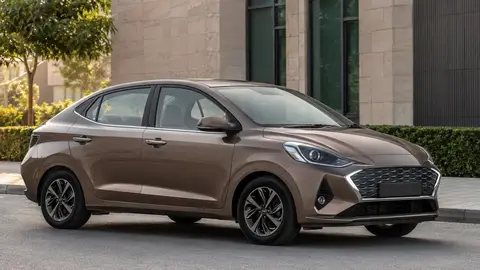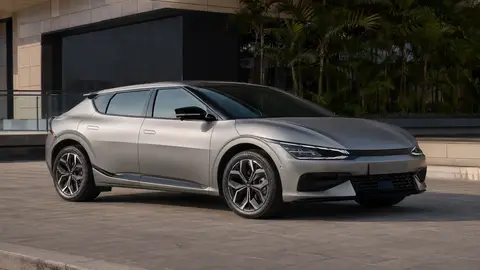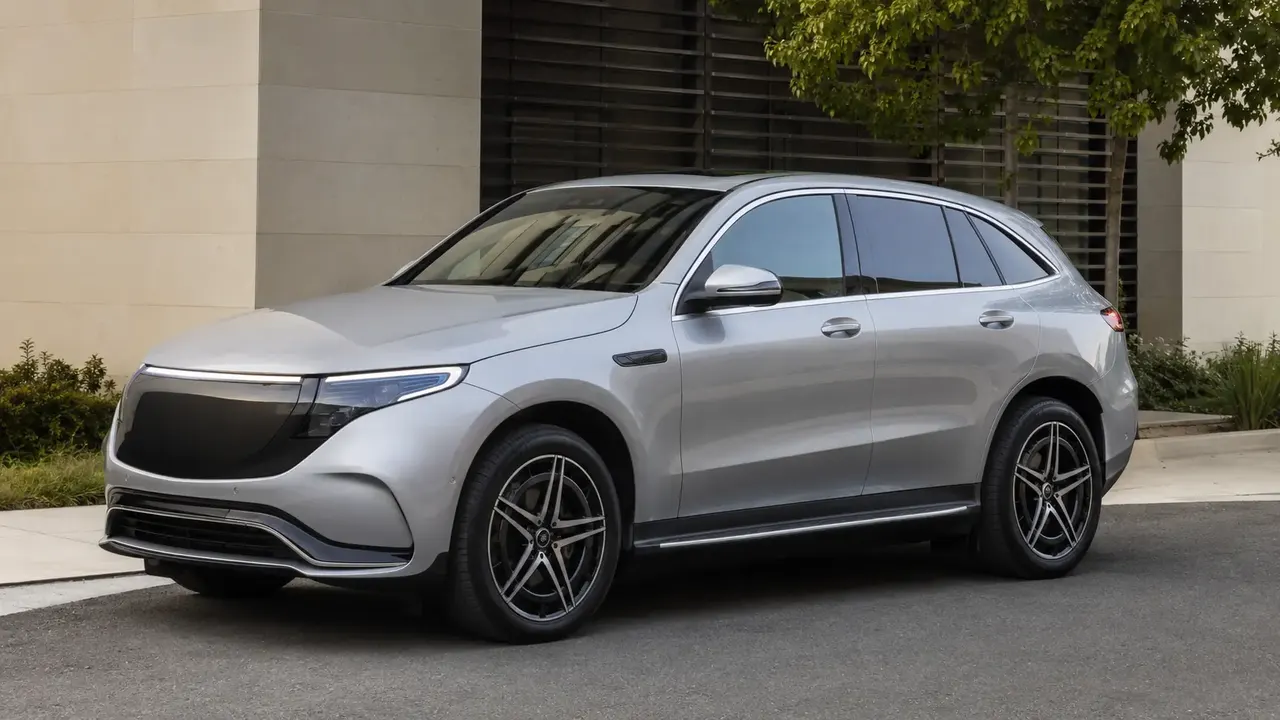
Luxury automakers are currently running two launch tracks at once: electric flagship SUVs and sedans meant to prove EV technology can match combustion-era prestige, and a smaller number of high-performance combustion or hybrid halo models kept alive for brand image and enthusiast demand. Most genuinely new luxury-segment launches in 2026 are electric SUVs, reflecting both the segment's shift toward SUVs generally and luxury buyers' relative price insensitivity to EV premiums. When reading a luxury launch announcement, distinguish genuine new-generation engineering from over-the-air software updates and trim reshuffles marketed as "all-new."
At a glance
| Signal | What it tells you |
|---|---|
| Leading luxury launch category | Electric flagship SUVs |
| Why luxury adopts EVs faster than mainstream | Buyers are less price-sensitive to the EV premium and value cutting-edge tech positioning |
| Combustion's remaining role | Halo/performance models kept for brand image and enthusiast demand |
| Common launch-announcement inflation | Software/OTA updates or trim reshuffles marketed as "all-new" |
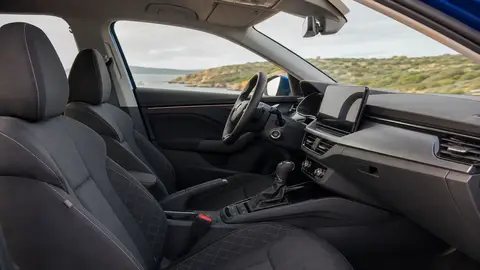
| What differentiates luxury EVs day to day | Interior materials, ride comfort tuning, and software polish more than raw specs |
Why luxury brands lead on electric launches
Luxury buyers are typically less sensitive to the price premium EVs still carry versus combustion equivalents, and luxury brands use cutting-edge powertrain tech as part of their prestige positioning. That combination is why electric flagship SUVs and sedans are disproportionately common among genuinely new luxury launches in 2026.
Combustion and hybrid halo models aren't gone
Even brands moving aggressively to EVs generally keep at least one high-performance combustion or hybrid halo model in the lineup — these serve brand-image and enthusiast purposes that current EV performance metrics don't fully replace for every buyer, particularly around sound, tactile engagement, and track-day range.
How to spot launch-announcement inflation
- An over-the-air software update rebranded as a major model update
- A trim/badge reshuffle (renaming existing trims) presented as new model tiers
- Minor styling refreshes on an unchanged platform described as "next-generation"
- Genuine platform changes: new battery chemistry/pack size, updated chassis, or a real generational safety-tech jump — these are the signals of an actual new launch
What actually differentiates luxury EVs
As EV powertrains commoditize, the meaningful differences between luxury EV models increasingly come down to interior material quality, ride and handling tuning, software/UI polish, and ownership experience (service, charging support) rather than headline specs like range or horsepower, which have converged more than in the combustion era.
The ownership-experience gap
Because battery, motor, and charging hardware increasingly come from a small pool of shared suppliers across the industry, luxury brands are leaning harder on service quality — loaner vehicles, concierge maintenance, dedicated charging lounges, and over-the-air software support — to justify a price premium that a decade ago would have rested more on mechanical exclusivity. Buyers comparing luxury EVs should weigh this ownership layer as seriously as the spec sheet.
What to watch through 2026-2027
- Whether more luxury brands commit firm end-dates for combustion halo models or extend them indefinitely
- How luxury EV pricing responds as mainstream battery costs keep falling
- Whether luxury brands differentiate more through software/service than hardware as platforms converge
Frequently asked questions
Why do luxury brands launch EVs faster than mainstream brands?
Are luxury brands abandoning combustion engines?
How can I tell if a luxury car launch is genuinely new?
What actually differentiates luxury EVs from each other?
Will luxury EV prices come down?
Sources & further reading
Figures, prices and policy details were current at the last-updated date above. Automotive pricing, incentives and regulations change frequently — verify time-sensitive details with the linked primary sources. Read our editorial policy and fact-checking standards.