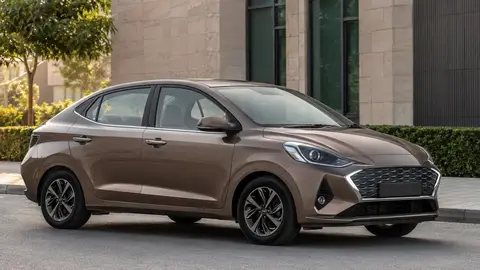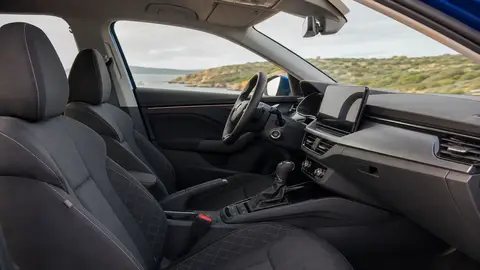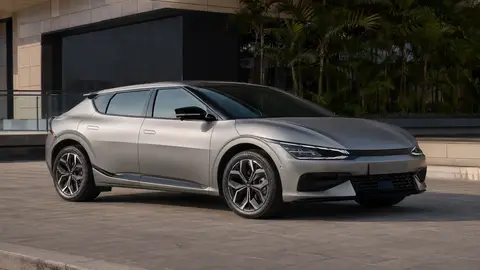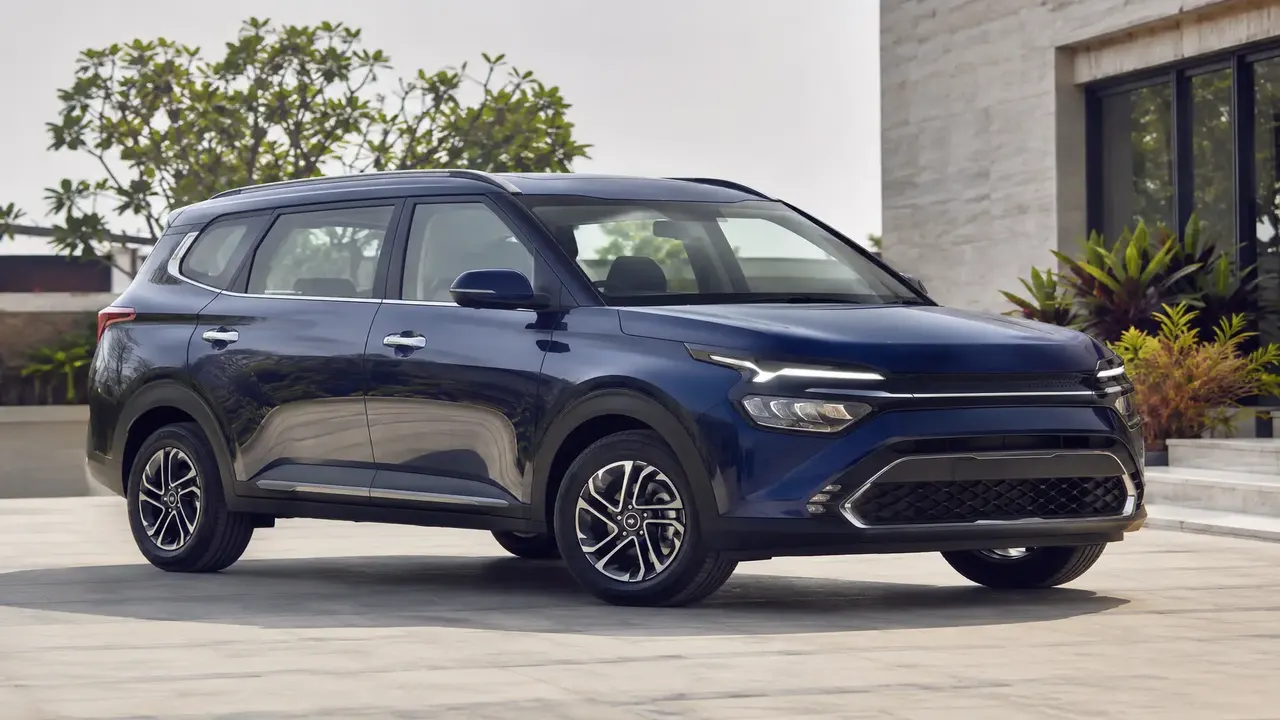
The city-car and supermini segment has shrunk in the US and stayed steady-to-growing in the UK, India, and much of Asia, where small footprints and low running costs matter more. The clearest 2026 trend is electrification arriving from the top down: small electric hatchbacks and city crossovers, mostly from Chinese and Korean brands plus a handful of European nameplates, are the main source of genuinely new city-car metal, while gas-only city car lineups are mostly getting light updates rather than full redesigns. When reading any "new city car" announcement, focus on real efficiency, price, and safety-kit changes rather than trim-badge marketing.
At a glance
| Signal | What it tells you |
|---|---|
| Full redesign vs. facelift | Full redesigns bring new platforms/safety tech; facelifts are mostly styling and infotainment |
| Electric variant added | Often the real story — many "new" city cars are existing models gaining an EV option |
| Segment direction in US | Shrinking — automakers have been quietly discontinuing small gas cars |
| Segment direction in UK/India/Asia | Steady to growing — city cars remain core, especially as EV city cars arrive |
| Biggest new-launch source | Chinese and Korean brands' compact EVs entering export markets |
Why the US city-car segment keeps shrinking
US automakers have steadily discontinued small, low-margin gas hatchbacks and sedans over the past decade, favoring crossovers and trucks. When a "new city car" launch does appear in the US market, it's disproportionately likely to be an EV or an import from a brand newly entering the market, rather than a redesigned traditional gas subcompact.
Why the picture is different elsewhere
In the UK, EU, India, and much of Asia, small cars remain commercially important — dense cities, higher fuel costs, and narrower streets all favor compact footprints. City-car launches in these markets are more frequent and span gas, hybrid, and a fast-growing electric tier.
How to evaluate a city-car launch announcement
- Check whether it's a genuine new platform or a reskin of an existing model — platform-sharing is extremely common at this price point
- Compare real efficiency or range numbers to the outgoing model, not just marketing language like "next-generation"
- Look at standard safety kit — this is where budget-segment models most often lag pricier cars
- Note the price versus the outgoing model — small-car price creep has been a consistent multi-year trend
What tends to actually change generation to generation
In this segment, the biggest real differences between generations are usually standard driver-assist features (automatic emergency braking, lane-keep assist), infotainment screen size/software, and — increasingly — whether an electric variant is offered at all, more than dramatic styling or mechanical overhauls.
Mistakes to avoid when reading city-car coverage
Don't assume a lower advertised starting price applies to a well-equipped version — city-car base trims are often stripped of features most buyers actually want, with real-world transaction prices running well above the headline number. Also be cautious comparing electric city-car range figures across regions, since test cycles (WLTP, EPA, and others) produce different numbers for the same vehicle.
What to watch through 2026-2027
- Whether more Chinese-brand electric city cars gain regulatory approval and dealer networks in the US and EU
- Whether any US automaker reintroduces a genuinely new small gas or hybrid model rather than only EV entries
- How safety-kit standards on budget models converge with pricier segments
Frequently asked questions
Are new city cars still being launched in the US?
What's the difference between a facelift and a full redesign?
Why do so many new city cars turn out to be electric?
Do city cars have the same safety tech as larger cars now?
Is the city car segment disappearing?
Sources & further reading
Figures, prices and policy details were current at the last-updated date above. Automotive pricing, incentives and regulations change frequently — verify time-sensitive details with the linked primary sources. Read our editorial policy and fact-checking standards.