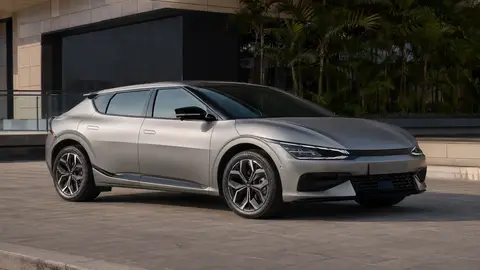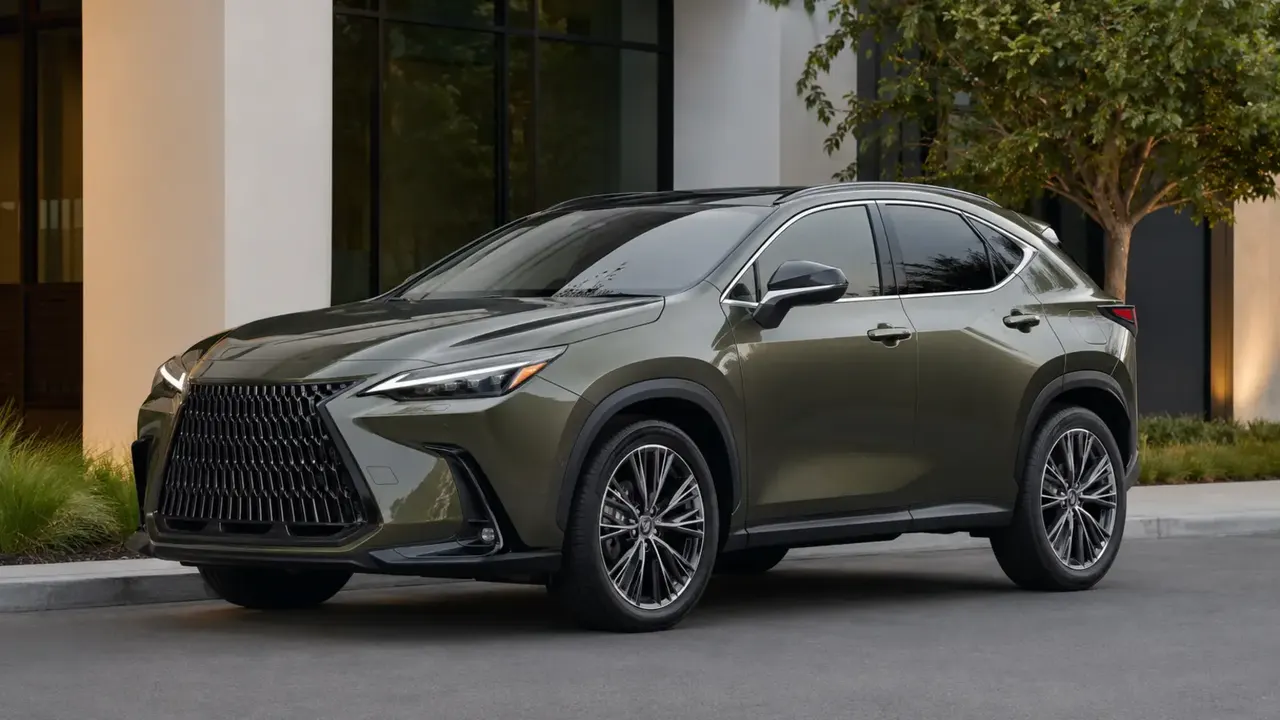
The core 2026 trend is the same across the US, UK and elsewhere: traditional fuel-tax and duty revenue is shrinking as more drivers go hybrid or electric, so governments are shifting toward flat annual EV registration surcharges, weight-based fees, or pilot mileage/road-usage charges to replace it. In the UK, EVs lost their historical Vehicle Excise Duty exemption starting April 2025 and now pay standard rates; in the US, a growing majority of states now levy an additional annual EV registration fee on top of standard registration.
At a glance
| Region | 2026 trend |
|---|---|
| UK | EVs now pay standard Vehicle Excise Duty; the historic zero-rate exemption ended |
| US (most states) | Growing number of states charge an added annual EV registration fee |
| Mileage-based road charging | Being piloted in several US states as a longer-term fuel-tax replacement |
| India | Road tax remains largely state-set; EV exemptions/discounts still common in several states |
The problem governments are solving
Fuel duty and gas tax have historically funded road maintenance in most countries, collected automatically at the pump in proportion to how much a vehicle drives. EVs and, to a lesser extent, efficient hybrids don't pay that tax the same way, and as their share of the fleet grows, that revenue stream shrinks even as road usage doesn't. The trend across nearly every market in 2026 is governments looking for a replacement mechanism.
The UK's shift
The UK ended its long-standing Vehicle Excise Duty exemption for electric vehicles starting April 2025, meaning EV owners now pay the same standard first-year and standard annual rates as combustion vehicles, plus the 'expensive car' supplement on higher-priced models where applicable. It's a clear example of an incentive that existed specifically to encourage EV adoption being wound down once adoption reached a meaningful scale.
The US's patchwork approach
Because vehicle registration is set at the state level, the US picture is a patchwork: a majority of states now add a supplemental annual fee for EVs (and in some states, hybrids) specifically intended to offset the fuel tax they don't pay, with the added fee varying widely by state. A smaller number of states are piloting mileage-based road-usage charging as a longer-term, more direct replacement for the fuel tax model.
What to expect going forward
- More states/countries introducing or raising EV-specific registration surcharges as adoption grows.
- Continued piloting (not yet wide rollout) of GPS or odometer-based mileage charging as a fuel-tax replacement.
- Weight-based fee components appearing in some jurisdictions, reflecting that heavier EVs cause more road wear.
- Ongoing political debate over whether EV surcharges undermine adoption incentives just as EVs are reaching critical mass.
If you're budgeting an EV purchase on the assumption of zero or reduced road tax, check current rules for your specific country/state — several jurisdictions have removed that exemption since 2024-2025.
Why this matters for buyers
Road tax and registration fees are a small line item compared with insurance or financing, but the direction of travel matters for anyone doing multi-year cost comparisons between a gas car, hybrid and EV — the 'EVs pay less road tax' assumption that held for most of the 2010s and early 2020s is no longer reliably true in several major markets.
Frequently asked questions
Do electric vehicles still pay less road tax than gas cars?
Why are governments adding extra fees for EVs?
What is mileage-based road-usage charging?
Is road tax the same everywhere in the US?
Sources & further reading
- UK Government — Vehicle Excise Duty rates for electric vehicles
- National Conference of State Legislatures — state EV fee tracking
Figures, prices and policy details were current at the last-updated date above. Automotive pricing, incentives and regulations change frequently — verify time-sensitive details with the linked primary sources. Read our editorial policy and fact-checking standards.