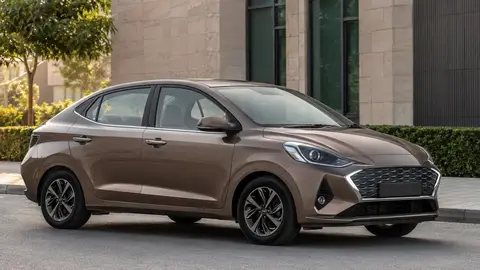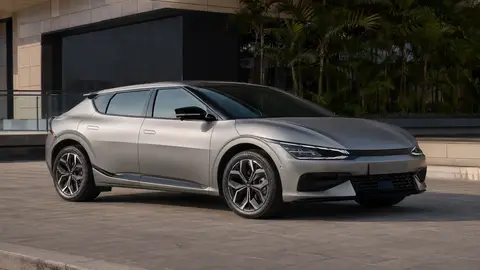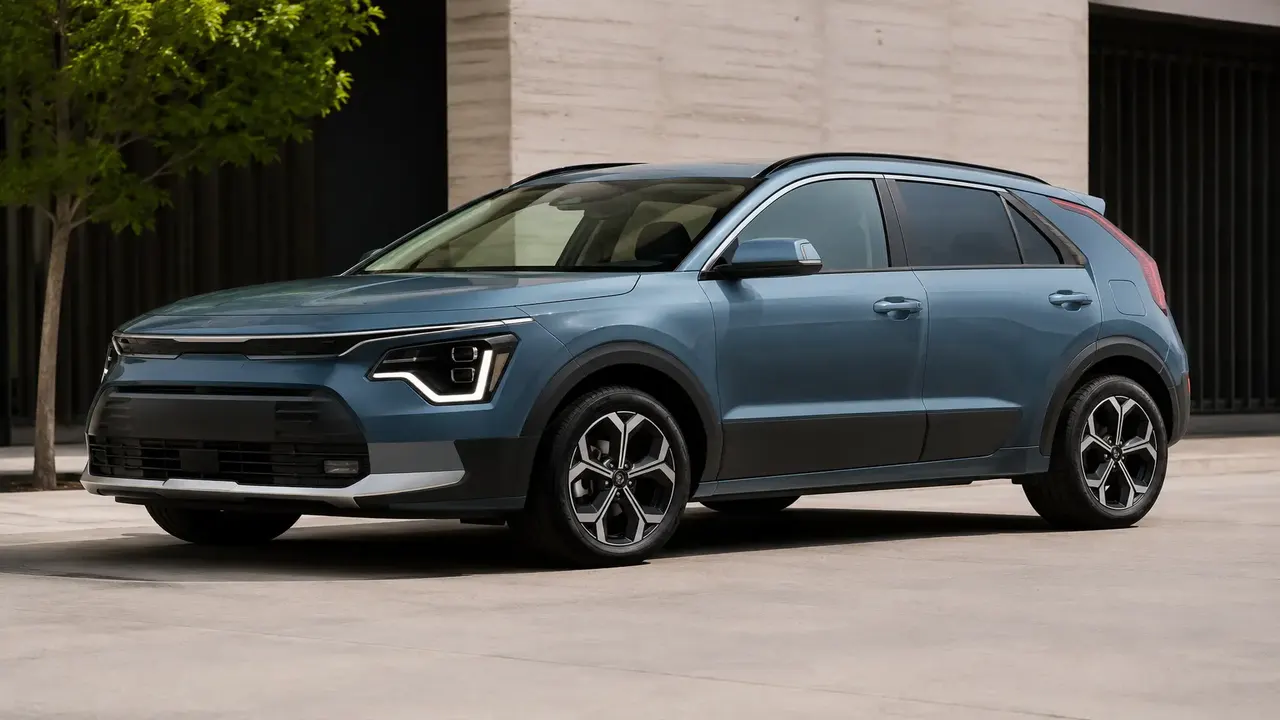
Hybrid vehicle sales have been rising even as pure-EV growth has cooled in some markets, particularly the US, where high fuel prices and continued charging-access concerns have pushed more buyers toward hybrids as a lower-friction fuel-cost cut. Automakers have responded by expanding hybrid trims across far more of their lineups — including trucks and SUVs that previously skipped hybrid options — making hybrids one of the fastest-growing powertrain categories in new-model announcements for 2026-2027, even as full-electric development continues in parallel.
At a glance
| Signal | What it tells you |
|---|---|
| US hybrid sales trend | Rising, even as pure-EV growth cools in some segments |
| Why buyers choose hybrids over EVs | Fuel savings without charging-access requirements or range trade-offs |
| Where hybrid trims are newly appearing | Trucks and larger SUVs that previously skipped hybrid options |
| Automaker strategy | Using hybrids as a bridge/hedge while continuing EV development in parallel |
| Plug-in hybrid (PHEV) trend | Growing fastest among fleet and premium buyers wanting EV-like range without full commitment |
Why hybrids are gaining ground now
Hybrid sales have continued rising in the US even as full-EV growth has slowed in some segments, a shift widely attributed to a combination of higher fuel prices pushing buyers toward fuel savings, and hybrids requiring no change in refueling behavior or reliance on public charging. That lower-friction value proposition is why hybrids are currently one of the fastest-growing powertrain categories.
Automakers are treating hybrids as a strategic bridge
Rather than choosing between combustion and full electrification, many automakers are expanding hybrid options across more of their lineup — including truck and larger-SUV segments that previously lacked hybrid trims — while continuing electric-vehicle development in parallel. This hedges against uncertain EV demand timing without abandoning long-term electrification plans.
Plug-in hybrids: the middle-middle ground
Plug-in hybrids (PHEVs), which offer a genuine short electric-only range plus a combustion engine for longer trips, are seeing particular growth among fleet and premium buyers who want some EV-like daily-driving benefit without fully committing to public charging for longer journeys.
How to track genuine hybrid launches versus marketing noise
- Confirm whether it's a full hybrid, mild hybrid (smaller electric assist, no EV-only driving), or plug-in hybrid — these are meaningfully different products often blurred in marketing
- Check real-world fuel-economy improvement versus the gas-only version, not just headline MPG claims
- For PHEVs, note the electric-only range specifically — this varies widely and determines how much of daily driving can be gas-free
- Watch which previously gas-only segments (trucks, larger SUVs) are gaining hybrid options for the first time — that's often the more significant story than another compact hybrid
Who a hybrid actually suits
Hybrids make the most sense for buyers who drive a mix of stop-start city and highway miles, don't have reliable home or workplace charging, and want a straightforward fuel-cost cut without changing how they refuel. They make less sense for buyers who already have easy home charging and mostly short commutes, where a full EV would likely deliver bigger running-cost savings for a similar or smaller price premium over a comparable gas model.
What to watch through 2026-2027
- Whether hybrid sales growth continues if fuel prices ease
- How many additional truck and large-SUV nameplates add hybrid trims
- Whether PHEV electric-only ranges keep increasing, narrowing the practical gap with full EVs for daily use
Frequently asked questions
Why are hybrid car sales rising in 2026?
What's the difference between a mild hybrid, full hybrid, and plug-in hybrid?
Are automakers still developing full EVs if hybrids are growing?
Which vehicle segments are newly getting hybrid options?
Is a plug-in hybrid basically as good as an EV?
Sources & further reading
- EIA — Hybrid vehicle sales continue to rise as electric and plug-in vehicle shares remain flat
- Autoblog — Hybrid Sales Are Soaring As Gas Prices Make Americans Rethink New Cars
Figures, prices and policy details were current at the last-updated date above. Automotive pricing, incentives and regulations change frequently — verify time-sensitive details with the linked primary sources. Read our editorial policy and fact-checking standards.