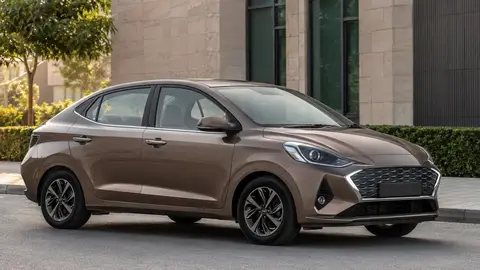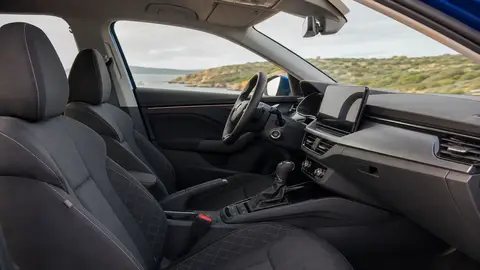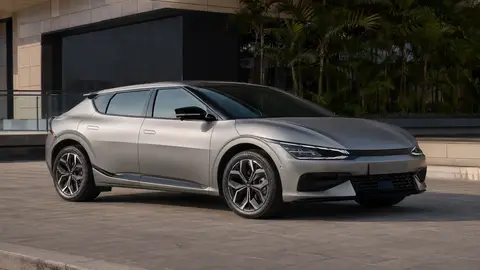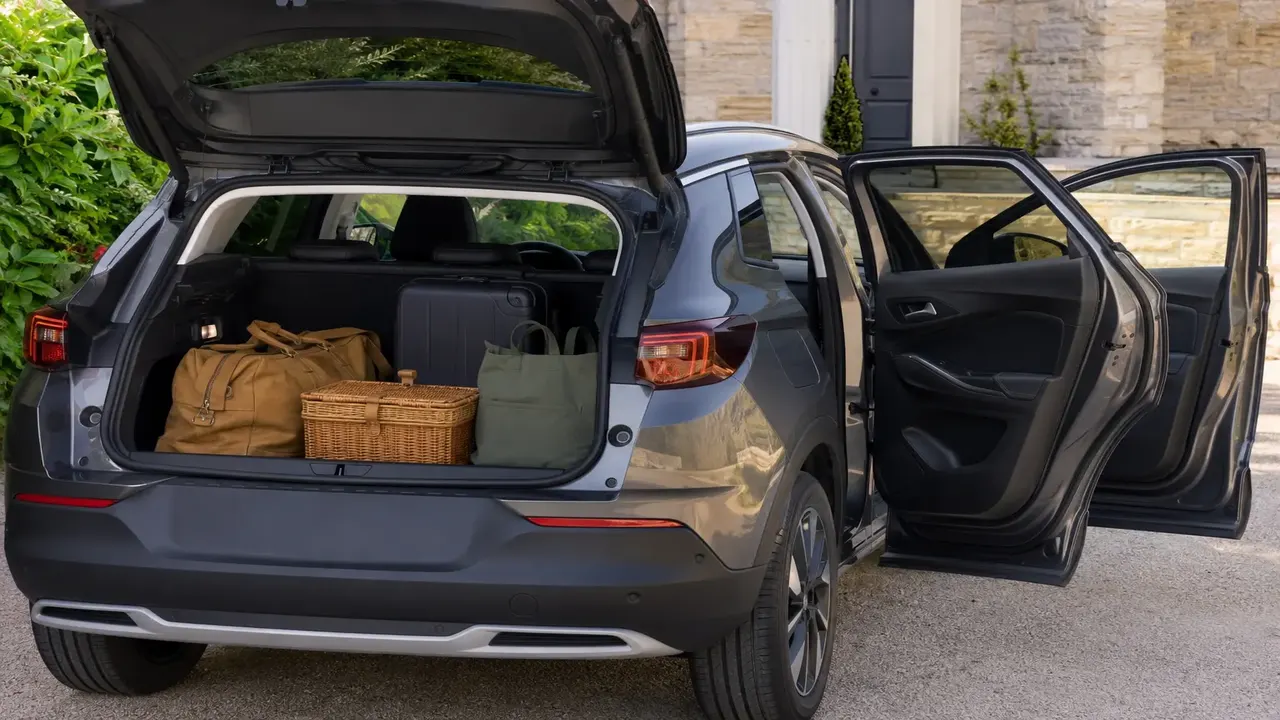
The mainstream family-car segment has largely migrated from sedans to midsize SUVs and crossovers over the past decade, and that shift continues through 2026: most genuinely new "family car" launches are SUVs, not sedans. The second big trend is powertrain — hybrid options are expanding faster across family vehicles than full-electric ones, as buyers who want fuel savings without charging-access concerns push automakers to widen hybrid trims across mainstream lineups. When a family car is announced as "redesigned," the real questions to ask are about cargo/passenger space, standard safety tech, and whether a hybrid or plug-in hybrid trim was added.
At a glance
| Signal | What it tells you |
|---|---|
| Dominant family-car body style | Midsize SUV/crossover, ahead of sedans |
| Fastest-growing powertrain option | Hybrid and plug-in hybrid trims |
| What buyers weigh most | Cargo/passenger space, safety kit, real-world fuel or energy cost |
| Where sedans still hold on | Fleet/rental use and some international markets |
| Typical redesign cycle | Roughly every 5-7 years, with a mid-cycle facelift in between |
Sedan to SUV: a decade-long shift, not a 2026 event
Family sedans haven't disappeared, but new family-car launches in most markets skew heavily toward SUVs and crossovers now, reflecting sustained buyer preference for higher seating position and cargo flexibility. Automakers have responded by concentrating redesign investment on their SUV lineups first.
Why hybrids are spreading faster than full EVs in this segment
Family-car buyers are typically budget- and practicality-conscious, and hybrid powertrains offer a meaningful fuel-cost cut without requiring home charging or accepting range trade-offs on longer trips — a lower-friction upgrade than switching to a full EV. That's why hybrid trims are being added across more family SUV and crossover lineups faster than dedicated electric versions.
What actually changes at a redesign
- Cabin space and cargo volume — often the headline change buyers notice most
- Standard driver-assist suite — commonly upgraded at redesign, sometimes mid-cycle too
- Infotainment software and screen size
- Powertrain options — added hybrid/PHEV trims are one of the most common substantive changes
How to read a family-car launch announcement
Look past styling language for concrete details: does the redesign add real cargo or passenger room, does it add a hybrid or PHEV trim, and has the standard safety-tech list actually expanded versus the outgoing model? Announcements heavy on "bold new design" language and light on these specifics are usually closer to a facelift than a ground-up redesign.
Balancing space, cost, and running costs
Family buyers weighing a new launch generally trade off three things against each other: interior space for car seats and cargo, upfront and financing cost, and ongoing running cost (fuel or electricity plus maintenance). A model that wins on space but loses on running cost, or vice versa, isn't automatically the wrong choice — it depends on which trade-off matters more for a given household's driving patterns and budget, which is why blanket "best family car" claims are rarely useful without that context.
What to watch through 2026-2027
- How many mainstream family SUVs add a hybrid or PHEV trim where none existed before
- Whether three-row family SUV electrification catches up to two-row models
- Whether sedans see any resurgence as affordable EV sedans arrive (see the affordable-EV trend)
Frequently asked questions
Are family sedans still being redesigned in 2026?
Why are hybrid family cars more common than electric ones?
How often are family cars fully redesigned?
What should I look for in a new family car launch?
Will electric family cars catch up to hybrids?
Sources & further reading
- EIA — Hybrid vehicle sales continue to rise as electric and plug-in vehicle shares remain flat
- IEA — Global EV Outlook 2026
Figures, prices and policy details were current at the last-updated date above. Automotive pricing, incentives and regulations change frequently — verify time-sensitive details with the linked primary sources. Read our editorial policy and fact-checking standards.