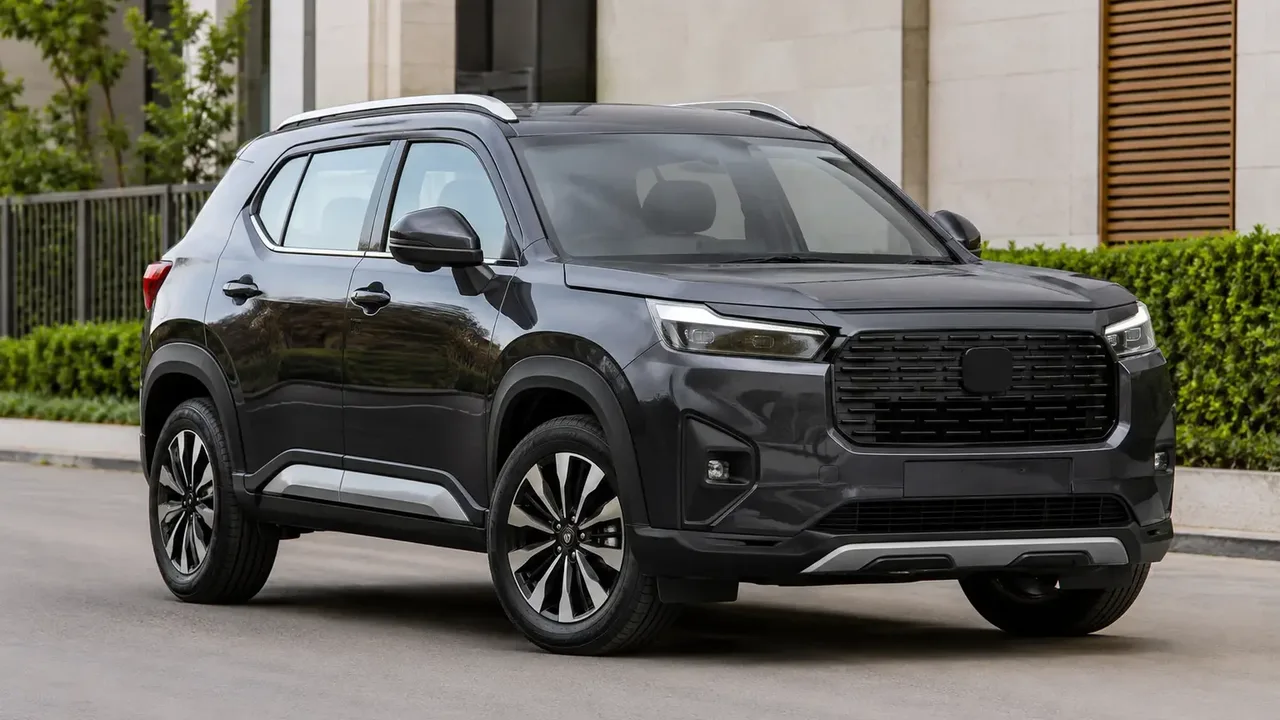
The contrarian Creta rival
Every Elevate rival sells an armful of powertrains — turbos, diesels, hybrids, CNG. Honda sells one: a 1.5-litre naturally aspirated i-VTEC with 121 PS, manual or CVT. The range runs ₹11.70–16.87 lakh ex-showroom across SV, V, VX and ZX trims plus Black and ADV editions, and a facelift is widely expected but unconfirmed.
On paper that looks like a losing hand. In the metal, the Elevate's case is subtler — and for a particular buyer, stronger than the brochure war suggests.
What the spec sheet hides
Two things. First, how it drives: the Elevate's ride quality on bad roads is among the best in the class, the driving position is commanding, and 220 mm of ground clearance shrugs at the worst speed breakers. The CVT is the smooth, sensible companion the engine deserves — city driving is genuinely effortless.
Second, how it's built: the India-made Elevate is exported to Japan as the WR-V, where it scored five stars in JNCAP with around 90% overall — a serious crash-test pedigree even though the Indian car hasn't been through BNCAP yet. Higher trims carry Honda Sensing camera-based ADAS.
The honest assessment
The single NA engine is adequate, not exciting — 121 PS moves the Elevate confidently in town and acceptably on highways, but the turbo Cretas and Seltoses pull harder, and there's no hybrid to answer the Hyryder's economy. ARAI figures of 15.31 (MT) and 16.92 kmpl (CVT) are respectable, no more. The cabin, meanwhile, prioritises ergonomics over spectacle: physical controls and good sightlines, but a smaller screen and fewer wow-features than the Koreans — no panoramic roof, less ambient theatre.
The Elevate is the pick for buyers who rank ride, reliability and low ownership stress above spec-sheet fireworks. That's a minority of the segment — but a well-served one.
The questions buyers actually ask
Elevate or Creta? The Creta is the better all-rounder and offers more engines. Choose the Honda for ride comfort, the CVT, long-term reliability and service satisfaction — and if the missing toys don't sting.
Is one engine really enough? For city-plus-occasional-highway use, yes. If you clock heavy highway miles, a diesel Creta or hybrid Hyryder serves you better economically.
Should I wait for the facelift? If your need isn't urgent, an expected refresh is worth watching for — but it's unconfirmed, and current-car discounts have their own logic.
Key takeaways
- ₹11.70–16.87 lakh; one 121 PS petrol with MT or a class-best CVT
- Superb ride quality, 220 mm clearance, commanding visibility
- 5-star JNCAP for the exported twin; Honda Sensing on higher trims
- No turbo, diesel, hybrid or CNG — and fewer flagship toys than rivals
- Rivals: Hyundai Creta, Kia Seltos, Maruti Grand Vitara, Toyota Hyryder
Sources & further reading
- Honda Cars India price lists
- JNCAP results for the Japan-market WR-V
- CarWale, V3Cars and CarDekho data, July 2026
Figures, prices and policy details were current at the last-updated date above. Automotive pricing, incentives and regulations change frequently — verify time-sensitive details with the linked primary sources. Read our editorial policy and fact-checking standards.