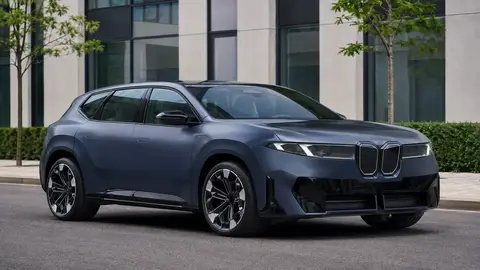
Choose a work vehicle on three things in this order: payload capacity (typically 1,500 to 7,000+ lbs depending on class), cargo or bed size, and purpose — trades, delivery, passenger-plus-cargo, or towing. Most small trade businesses land in the 2,500-3,500 lb payload range covered by full-size vans and 1/2-to-3/4-ton pickups. Overbuying payload capacity you don't need adds fuel and purchase cost for no benefit.
At a glance
| Class | Typical payload | Common use |
|---|---|---|
| Compact cargo van | 1,400-1,900 lbs | Last-mile delivery, small trades |
| Full-size cargo van | 2,500-4,300 lbs | Trades, fleets, shelving/racking |
| 1/2-ton pickup | 1,500-3,200 lbs | General contracting, towing |
| 3/4-ton & 1-ton pickup | 3,000-7,000+ lbs | Heavy trades, equipment hauling |
Why payload matters more than looks
Payload is the single most misunderstood number in commercial vehicle shopping. It's not the same as towing capacity, and it's easy to exceed without realizing it — payload covers everything added to the vehicle's own weight: cargo, tools, racking, water tanks, and passengers. A crew of three plus a full set of trade tools can easily add 900-1,200 lbs before a single delivery box goes in.
Size the vehicle against your typical maximum load rather than your average one. It has to handle the heaviest realistic day, not the ordinary one.
How the three inputs work together
Payload
Start from your heaviest routine load, including people, and add a 10–15% buffer on top before you compare it with any vehicle's rating — because published payload ratings include everything the manufacturer expects to be loaded, and running right at the limit accelerates suspension and brake wear.
Size
Size covers both interior cargo volume and exterior footprint — a plumber who needs to carry 10-foot pipe stock needs a different cargo length than a courier making dozens of short stops in tight urban areas. Treat cargo volume (for vans) and bed length with cab configuration (for pickups) as separate questions; they are not interchangeable measures.
Purpose
Purpose reweights the shortlist: delivery favors low step-in height and side/rear door configuration; trades favors shelving-friendly interior height and available bulkheads; towing-plus-cargo favors pickups with the right hitch class and factory tow package over vans, which generally tow less.
Worked example
A landscaping business with a payload requirement of 2,800 lbs, needing to carry a mower and hand tools rather than boxes, and towing a trailer occasionally. Those requirements point to 3/4-ton pickups and larger cargo vans with tow packages, ruling out compact vans and 1/2-ton trucks that sit right at the payload ceiling once a trailer tongue weight is added.
GVWR, curb weight and payload — the math
Payload = Gross Vehicle Weight Rating (GVWR) − curb weight. If a van has a GVWR of 9,000 lbs and a curb weight of 6,200 lbs, its payload is 2,800 lbs. Adding a trailer hitch changes tongue weight math too — tongue weight typically counts against payload, which is the most common way fleets accidentally overload a vehicle.
Towing capacity and payload are rated separately and draw from the same GVWR ceiling. A vehicle maxed out on payload has less towing capacity available, and vice versa — check the door-jamb weight sticker, not just the brochure headline number.
Common mistakes
- Sizing to average load instead of peak load, then overloading on the busy days
- Forgetting passenger weight when calculating available cargo payload
- Choosing bed length or cargo length before confirming daily parking and turning-radius constraints
- Ignoring GVWR class thresholds — crossing from a 1/2-ton into 3/4-ton federal class can change licensing and insurance requirements in some regions
Frequently asked questions
What's the difference between payload and towing capacity?
How much payload does a small trade business typically need?
Do commercial vans usually have more payload than pickups?
Do GVWR licensing classes affect what I can buy?
How do I allow for upfitting (shelving, racking)?
Sources & further reading
- Federal Highway Administration — Vehicle Weight Classes
- NHTSA — Tire and Loading Information
- U.S. Small Business Administration — Vehicle Financing for Business
Figures, prices and policy details were current at the last-updated date above. Automotive pricing, incentives and regulations change frequently — verify time-sensitive details with the linked primary sources. Read our editorial policy and fact-checking standards.