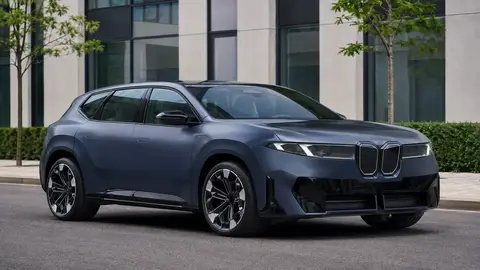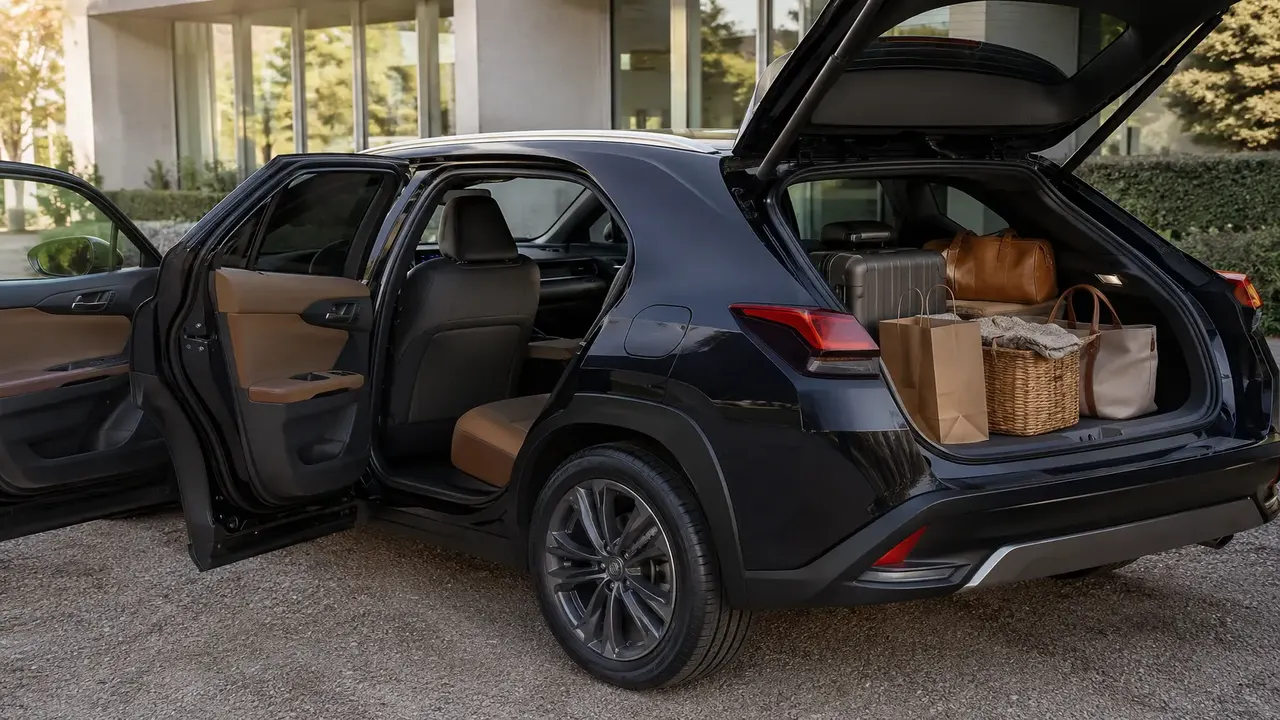
Give yourself at least 3-5 days before departure to complete a vehicle check (fluids, tyres including the spare, brakes, battery) and to book any overdue service — not the night before. Pack an emergency kit, phone charger/power bank, and physical paper backups of your route and reservations in case of a dead phone or no signal. Budget for fuel using a rough city/highway blend of your car's rated mpg/L-per-100km, adding 10-15% for AC use, elevation changes, or a loaded cabin/roof box.
At a glance
| Category | Key check |
|---|---|
| Vehicle mechanical | Fluids, tyres + spare, brakes, battery, wipers |
| Documents | License, registration, insurance card, roadside assistance number |
| Emergency kit | Jump starter, first aid, flashlight, water, non-perishable snacks |
| Navigation backup | Downloaded offline maps + a printed route in case of no signal |
Vehicle checks (do these 3-5 days out, not the morning of)
- Check engine oil level and colour; top up or change if due within the trip's mileage
- Check coolant level and inspect hoses for cracking or soft spots
- Inspect all four tyres for tread depth and even wear, and check the spare's pressure too
- Test the battery, especially if it's more than 3-4 years old — long trips are a bad time for a battery to fail
- Check brake pad thickness if you're due or close to a service interval
- Replace wiper blades if they're streaking — cheap to fix, miserable to discover in highway rain
- Confirm all exterior lights work: headlights, brake lights, turn signals
Documents and numbers to have on hand
- Driver's license, registration, and proof of insurance (physical or verified digital copy)
- Roadside assistance membership number and your insurer's claims line
- A printed copy of your route and key reservations, in case your phone dies or loses signal
- Emergency contacts written down somewhere other than just your phone
Packing the emergency kit
| Item | Why it matters |
|---|---|
| Jump starter or jumper cables | Battery issues are one of the most common breakdown causes |
| Basic first-aid kit | Covers minor injuries without needing to find a pharmacy |
| Flashlight + extra batteries | Essential for roadside checks after dark |
| Water and non-perishable snacks | Useful for delays, detours, or being stranded briefly |
| Portable phone charger/power bank | Keeps navigation and communication alive if the car battery is the problem |
| Reflective triangles or flares | Improves visibility if you're stopped on a shoulder |
Planning fuel and charging stops
For gasoline vehicles, plan fuel stops around your tank's real-world range (usually a bit less than the rated figure, more with AC running or a loaded car) rather than running to empty in unfamiliar areas. For EVs, plan charging stops around your route's actual charger locations and reliability — always have a backup charging point in mind in case the primary one is occupied or out of service, and build in extra time versus a gas fill-up.
Route and rest planning
- Download offline maps for your route in case of dead zones, especially in rural or mountainous areas
- Plan a rest stop roughly every 2 hours or 100-150 miles to avoid fatigue-related driving errors
- Check for any road closures, construction, or weather advisories along the route the day before departure
- If driving through unfamiliar mountain or winter terrain, check whether tyre chains or winter tyres are legally required
The night before
- Load the car and weigh whether the load affects visibility or handling
- Charge all devices fully and pack chargers within easy cabin reach
- Set a realistic departure time accounting for loading and any last-minute fuel stop
- Do a final walk-around: tyres, lights, mirrors, and make sure nothing is left on the roof
A dead or weak battery is one of the most common causes of trip-ending breakdowns and one of the easiest to prevent — get it tested beforehand if it's more than 3-4 years old, especially before a trip through remote areas.
Frequently asked questions
How far in advance should I prep my car for a road trip?
What should be in a road trip emergency kit?
How often should I stop on a long drive?
Should I download offline maps before a road trip?
How do I plan charging stops for an EV road trip?
Sources & further reading
- AAA — Road Trip Preparation Checklist
- NHTSA — Vehicle Safety Before Long Trips
- U.S. Department of Energy — Alternative Fuels Data Center (EV Trip Planning)
Figures, prices and policy details were current at the last-updated date above. Automotive pricing, incentives and regulations change frequently — verify time-sensitive details with the linked primary sources. Read our editorial policy and fact-checking standards.