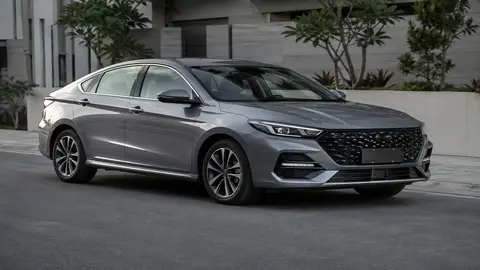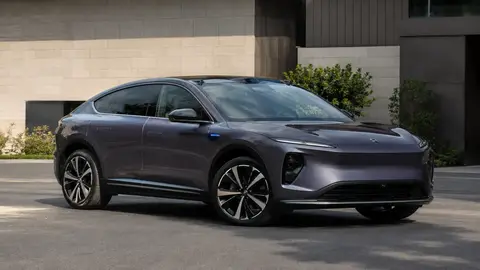
For most everyday drivers, electricity (EV or plug-in hybrid) is the most realistic and widely available alternative to gasoline, with per-mile running costs often roughly half of gasoline when charging at home, though public fast-charging narrows that gap. Flex-fuel E85 is available at a subset of stations mainly in the Midwest; propane, CNG and hydrogen remain niche options tied to fleet or regional infrastructure rather than mainstream personal use.
At a glance
| Fuel type | Typical vehicle | Availability |
|---|---|---|
| Electricity | EV or plug-in hybrid | Widespread and growing; home charging most convenient |
| Ethanol (E85) | Flex-fuel gas vehicles | Regional, concentrated in the Midwest |
| Propane autogas / CNG | Converted or fleet vehicles | Limited, mostly commercial/fleet infrastructure |
| Biodiesel | Diesel vehicles (blend-dependent) | Regional, common in some diesel markets |
| Hydrogen fuel cell | Specific FCEV models | Very limited, concentrated in California |
Electricity (EV and plug-in hybrid)
Battery-electric and plug-in hybrid vehicles run partly or entirely on electricity instead of gasoline. Home charging overnight is typically the cheapest way to 'fuel' a car per mile, often roughly half the cost of gasoline depending on local electricity rates; public fast-charging costs more and narrows that savings gap. Charging infrastructure has expanded quickly but is still uneven by region, which matters most for long road trips rather than daily local driving.
Flex-fuel ethanol (E85)
E85 is a blend of up to 85% ethanol and 15% gasoline, usable only in flex-fuel-capable vehicles. It's typically priced lower per gallon than gasoline, but because ethanol carries less energy per gallon, fuel economy usually drops enough that the actual cost-per-mile savings are smaller than the pump price difference suggests. Availability is concentrated mainly in Midwestern corn-producing states.
Propane autogas and CNG
Propane (autogas) and compressed natural gas power some fleet and converted vehicles, offering lower fuel cost and cleaner emissions than gasoline, but very limited public fueling infrastructure keeps them mostly out of reach for typical personal-use buyers outside of specific regional fleets.
Biodiesel
Biodiesel blends (commonly labeled B5, B20, etc.) can run in many diesel vehicles with little or no modification, depending on the manufacturer's approved blend level. It's more common in regions with established diesel fueling infrastructure and can lower well-to-wheel emissions, though it doesn't apply to gasoline-only vehicles.
Hydrogen fuel cell (niche, regionally limited)
Hydrogen fuel cell vehicles refuel in minutes like a gasoline car and emit only water vapor, but public hydrogen stations remain very limited and concentrated almost entirely in California, making this an option realistically only for drivers in those specific areas.
Choosing what fits your driving
For most drivers outside a specific regional fleet or fueling network, an EV or plug-in hybrid is the alternative fuel option that's actually accessible today, provided home or reliable local charging is available. Other options are worth considering mainly if you live somewhere with the matching regional infrastructure already in place.
What to check before switching
- Confirm your daily driving fits within realistic range or refueling availability for the fuel type you're considering.
- Check manufacturer approval before using any non-standard fuel blend in an existing vehicle — using an unapproved fuel can void warranty coverage.
- Research local infrastructure density, not just national averages, since availability can differ sharply block to block or state to state.
- Factor in any purchase incentives or credits that may apply to the vehicle type, which can meaningfully change the total cost comparison.
The bottom line on cost and convenience
Alternative fuels generally trade some upfront convenience — less fueling infrastructure than gasoline — for lower running costs or emissions benefits. The right choice depends far more on what's actually available where you live and drive than on which option sounds most advanced; check local infrastructure before assuming a fuel type is a realistic everyday option.
Regulatory backdrop: the US has relaxed its 2031 fuel-economy rule to 34.9 mpg, which changes the calculus for some of the fuels above — and everyday efficiency still starts with driving habits.
Frequently asked questions
Is E85 cheaper than regular gas?
Are hydrogen cars available outside California?
Is propane a realistic option for personal cars?
Do hybrids count as alternative fuel vehicles?
Which alternative fuel saves the most money?
Sources & further reading
- U.S. Department of Energy — Alternative Fuels Data Center
- FuelEconomy.gov (EPA/DOE) — fuel and vehicle technology comparisons
Figures, prices and policy details were current at the last-updated date above. Automotive pricing, incentives and regulations change frequently — verify time-sensitive details with the linked primary sources. Read our editorial policy and fact-checking standards.