For most families of four to six, a three-row midsize SUV or a minivan is the sweet spot: minivans generally offer the most usable interior space and easiest car-seat access, while three-row SUVs trade some practicality for a more car-like driving feel. Budget realistically $32,000–$48,000 new or $18,000–$28,000 for a well-kept 3-year-old model, and prioritize an IIHS Top Safety Pick or Pick+ rating and standard automatic emergency braking over horsepower or trim-level extras.
At a glance
| Body style | Typical seating | Typical price range* | Best for |
|---|---|---|---|
| Minivan | 7-8 | $36,000–$52,000 new | Max cargo/seat flexibility, easiest car-seat access |
| 3-row midsize/large SUV | 6-8 | $38,000–$60,000 new | Families who also want towing or a more rugged look |
| 3-row compact SUV | 6-7 | $32,000–$42,000 new | Smaller families wanting occasional third-row use |
| Sedan / small SUV | 5 | $24,000–$34,000 new | One or two kids, no third-row need |
Body styles compared
Minivans consistently win on interior practicality: sliding doors make loading car seats and kids in tight parking lots far easier, and second-row captain's chairs with a flat, walk-through aisle beat almost any SUV for access to the third row. Three-row SUVs trade some of that for a higher driving position, available all-wheel drive, and — in many families' eyes — a less minivan-branded look, but the third row is usually tighter and harder to reach. If you only occasionally need seats five and six, a compact three-row SUV or even a well-equipped five-seat SUV can be enough and meaningfully cheaper to buy and run.
Safety features that matter most
- An IIHS Top Safety Pick or Pick+ rating for the model year you're considering.
- Standard (not optional) automatic emergency braking and forward collision warning.
- Blind-spot monitoring, especially valuable in a longer vehicle with third-row rear pillars blocking visibility.
- Rear-seat reminder alerts, standard on most new vehicles since 2022 and worth insisting on in older used models.
- At least two full sets of LATCH lower anchors, not just tether points, in the second row.
Space and practicality beyond seat count
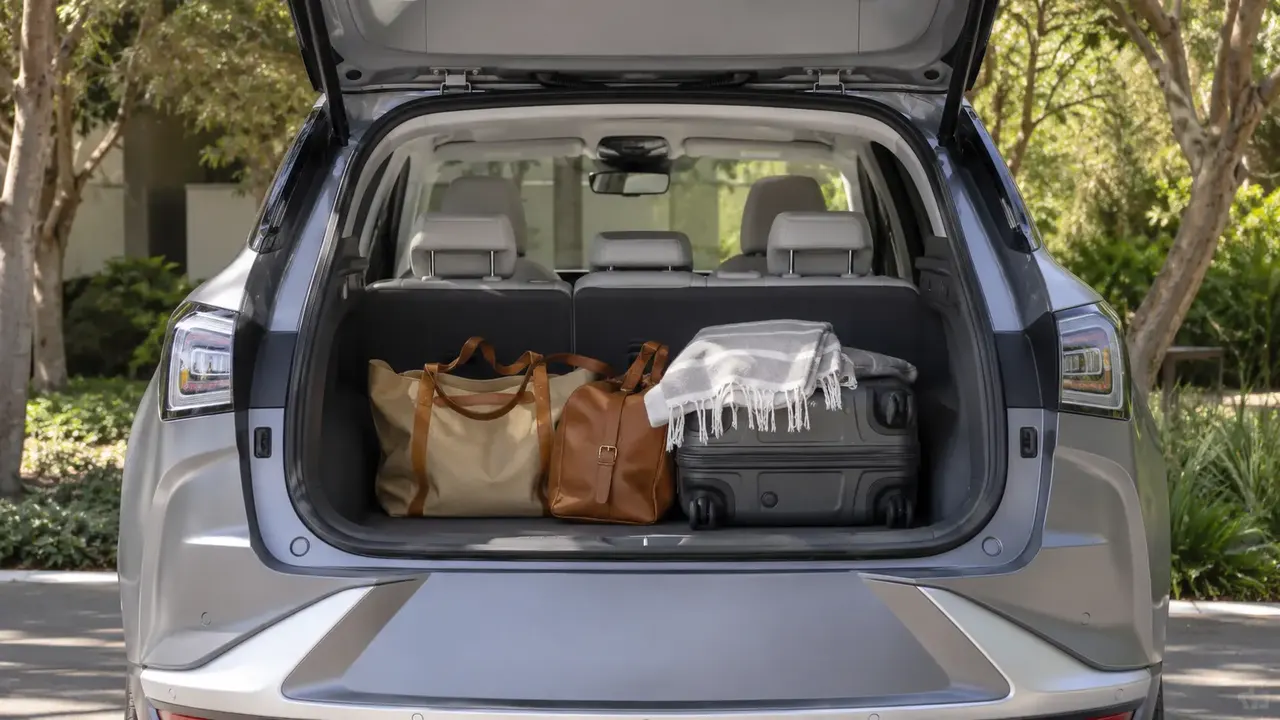
Raw seating numbers hide big differences in usability. A vehicle with 40+ cubic feet of cargo space behind the third row lets you carry strollers and groceries with all seats occupied; many three-row SUVs offer barely half that. Test-fit your actual car seats and strollers before buying rather than trusting spec sheets — door aperture width and second-row legroom vary more between models than the brochures suggest.
Budgeting realistically
The purchase price is only part of the cost. Family-hauling vehicles are typically larger and heavier, which usually means higher insurance premiums, higher fuel costs, and pricier tires than a compact sedan. Get an insurance quote on the specific model and trim before you commit — premiums can vary by several hundred dollars a year between similarly priced vehicles depending on safety ratings, repair costs and theft rates.
Mistakes families commonly make
- Buying based on third-row seat count alone without test-fitting car seats in the second row too.
- Skipping a test drive with the actual car seats and stroller you own.
- Overlooking total cost of ownership (insurance, fuel, tires) in favor of the lowest monthly payment.
- Choosing a vehicle mainly for looks and finding out later the cargo area is too shallow for a double stroller.
Frequently asked questions
Minivan or SUV for a family of five?
What safety features should I prioritize for a family car?
How much cargo space do I need with three kids?
Is a three-row SUV worth it over a minivan?
What's a reasonable family-car budget?
Sources & further reading
- IIHS — Top Safety Pick ratings and criteria
- NHTSA — vehicle safety ratings and car seat guidance
- Edmunds — family vehicle buying research
Figures, prices and policy details were current at the last-updated date above. Automotive pricing, incentives and regulations change frequently — verify time-sensitive details with the linked primary sources. Read our editorial policy and fact-checking standards.