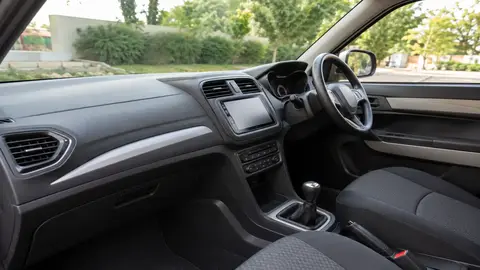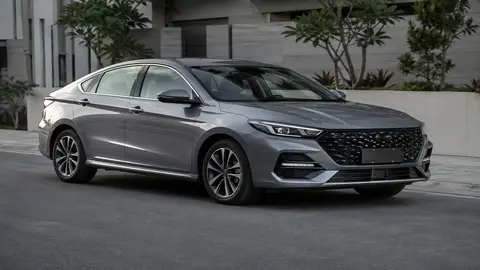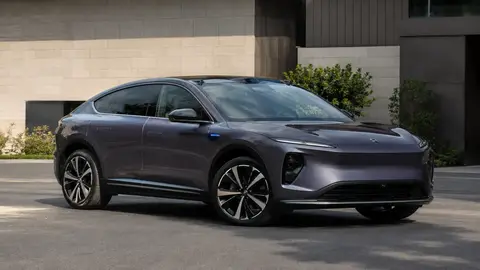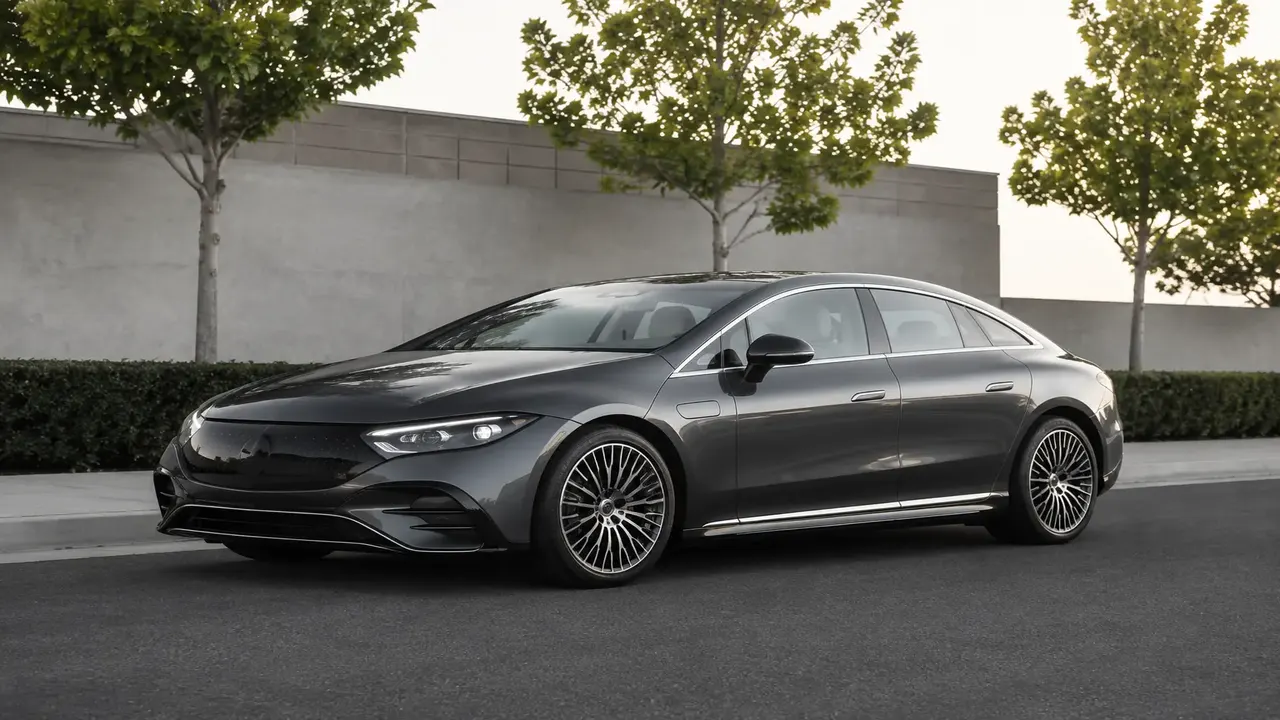
Compact and midsize sedans remain the most fuel-efficient and cheapest to insure/maintain for commuting; compact and midsize SUVs (now the best-selling segment in the US) balance cargo space, ground clearance and mild towing capability; minivans still beat 3-row SUVs on interior space and ease of access per dollar; and full-size trucks make sense mainly if you tow or haul regularly, since fuel and insurance costs run noticeably higher than a comparable SUV.
At a glance
| Segment | Best for | Trade-off |
|---|---|---|
| Compact/midsize sedan | Commuters, city/highway efficiency, lowest running cost | Less cargo/ground clearance |
| Compact/midsize SUV | Families needing cargo + some capability | Higher price and lower mpg than equivalent sedan |
| 3-row SUV | Families needing 6-8 seats with some off-lot capability | Expensive; third row often tight for adults |
| Minivan | Maximum interior space, sliding doors, best fold-flat cargo | Less "rugged" image; fewer models on the market now |
| Full-size pickup | Regular towing/hauling, work use | Highest fuel/insurance cost; large footprint for parking |
| Hatchback/compact car | Tight budgets, city parking, lowest cost of ownership | Least passenger and cargo room |
Start with how you actually use a car, not how you picture yourself using it
Most buyers overestimate how often they'll need towing capacity, off-road clearance, or third-row seating. Before choosing a segment, tally your real recurring needs over the past year — commute distance, typical passenger count, cargo hauled, and how often (if ever) you actually tow or go off-pavement. Segment choice affects fuel cost, insurance, parking ease and resale value far more than most buyers expect.
Sedans and hatchbacks: still the efficiency and cost leaders
Compact and midsize sedans typically deliver the best fuel economy and lowest insurance premiums in their price class, plus easier parking and generally lower maintenance costs than taller, heavier vehicles. They remain the strongest choice for commuters without regular cargo or towing needs, even though SUVs have taken much of their historical market share.
Compact and midsize SUVs: the default family choice
This segment now outsells every other vehicle type in the US. It offers meaningfully more cargo space and a higher seating position than a sedan, often with available all-wheel drive and light towing capability (commonly 1,500-3,500 lbs), at a real fuel-economy and price cost compared to an equivalent sedan. For most families needing one flexible vehicle, this is the practical middle ground.
3-row SUVs vs. minivans
| Factor | 3-row SUV | Minivan |
|---|---|---|
| Third-row space for adults | Often tight | Generally more usable |
| Cargo behind third row | Limited | Usually more, with easier fold-flat access |
| Doors | Standard swing doors | Sliding doors — easier in tight parking, better for car seats |
| Towing capability | Often higher (3,500-8,000+ lbs on some models) | Lower (typically ~3,500 lbs or less) |
| Ground clearance / AWD availability | Usually higher, AWD common | Lower; AWD available on fewer models |
Trucks: worth it mainly if you tow or haul regularly
Full-size pickups deliver real towing and payload capability but cost noticeably more to fuel and insure than a comparable SUV, and their size makes daily city parking and garages harder. If you tow a trailer, haul materials, or need a bed for work more than occasionally, the capability justifies the cost. If towing is rare, a midsize SUV with a smaller trailer package often covers the same occasional need for less money day to day.
Mistakes to avoid when choosing a segment
- Buying 3-row seating "just in case" when you rarely carry more than 4 people.
- Choosing a truck for occasional hauling when a trailer rental a few times a year would be cheaper overall.
- Ignoring insurance quotes by segment — SUVs and trucks often cost meaningfully more to insure than a sedan of similar value.
- Skipping a real-world test drive with your typical passengers/cargo loaded in.
How many passengers do I carry weekly, not occasionally? How often do I actually tow or haul large cargo? What's my realistic parking situation — street, garage, tight urban lot?
Frequently asked questions
Is an SUV or sedan better for a family?
Is a minivan still worth buying over a 3-row SUV?
When is a pickup truck worth the extra cost?
Do SUVs cost more to insure than sedans?
Sources & further reading
Figures, prices and policy details were current at the last-updated date above. Automotive pricing, incentives and regulations change frequently — verify time-sensitive details with the linked primary sources. Read our editorial policy and fact-checking standards.