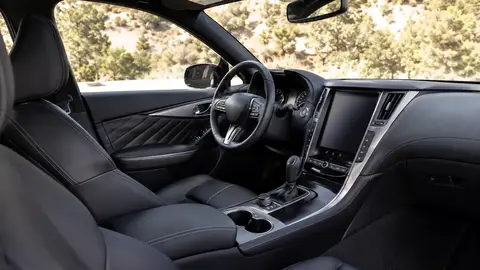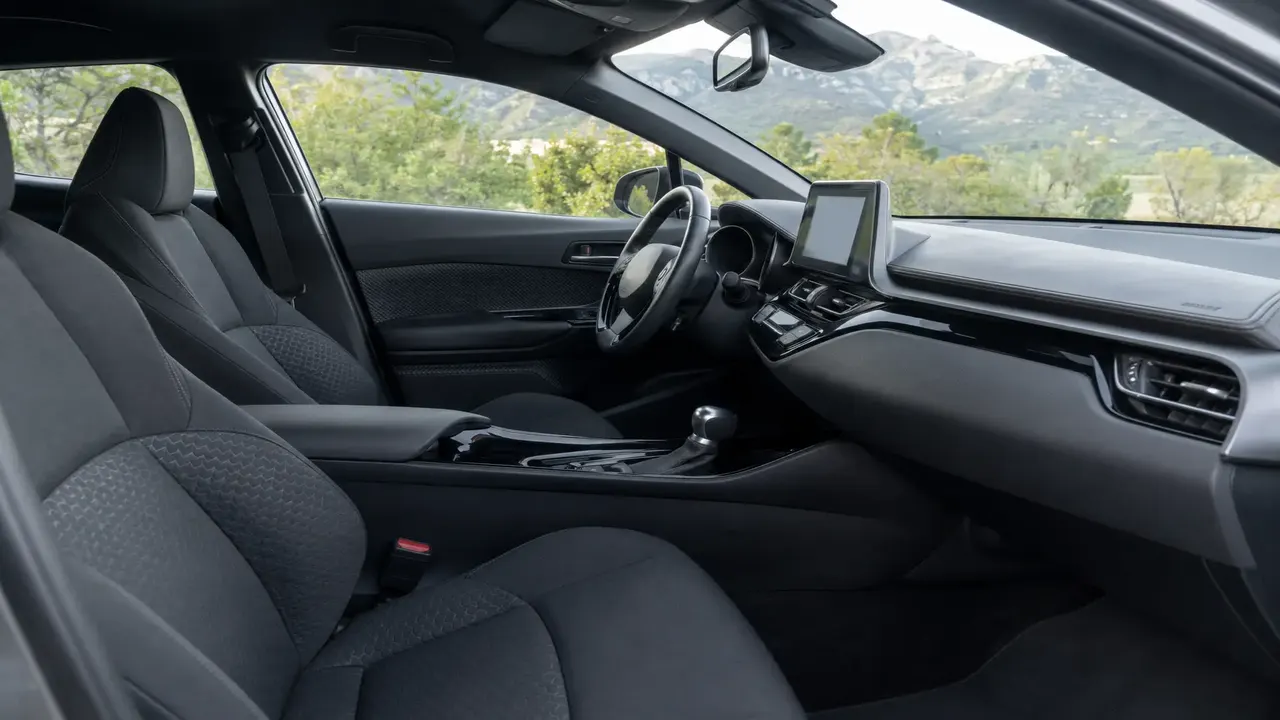
In the sub-$25,000 range, the compact sedans and hatchbacks from mainstream Japanese and Korean brands generally deliver the most convincing interiors — soft-touch dash panels above the knee line, tighter panel gaps, and configurable digital clusters that were luxury-only features a decade ago. Expect hard plastics below the beltline and cloth-first seating as the trade-offs; leatherette and heated seats usually require a mid-to-upper trim, adding roughly $1,500–$3,000 to the as-tested price.
At a glance: what to expect at this price point
| Feature area | Typical at this budget |
|---|---|
| Dash materials | Soft-touch on upper dash/doors, harder plastics lower down |
| Seating | Cloth standard; leatherette/heated seats often mid-trim upward |
| Digital displays | 7–10 in touchscreen and partial or full digital gauge cluster common |
| Cabin quietness | Noticeably improved vs. a decade ago, but road noise still present at highway speed |
| Trim upgrade cost | Roughly $1,500–$3,000 to add leather-look seating and extra tech |
What 'best interior' means in the budget segment
Nobody expects a $24,000 hatchback to feel like a luxury sedan. What buyers can reasonably expect at this price is a cabin that doesn't feel cheap in the places your hands and eyes land most: the dash top, door armrests, steering wheel, and shifter. The best-reviewed budget interiors focus soft-touch materials exactly there, while saving cost on lower door panels and rear seat trim where it's less noticeable.
Where compact sedans and hatchbacks tend to lead
Mainstream compacts from Japanese and Korean brands are the segment most frequently praised for interior fit-and-finish at this price. Reviewers consistently point to tighter panel gaps, less cabin rattle over rough roads, and dashboard layouts that group climate and audio controls logically rather than burying them in submenus. Domestic compacts have closed much of this gap in recent redesigns, though older-generation platforms can still feel dated inside.
The features that make the biggest perceived difference
- A configurable digital gauge cluster, even a basic one, over a fully analog dial set
- Soft-touch armrests on both the door panel and center console (a common miss on lower trims)
- A steering wheel with a stitched or leatherette wrap instead of hard plastic
- Ambient ventilation and cupholder trim that avoid obvious cost-cutting texture
Where the budget shows
Rear door panels, lower dash sections, and trunk liners are where manufacturers save the most cost — expect harder, scratchier plastics there even in cabins that feel upscale up front. Road and wind noise at highway speed is also a reliable tell: extra sound deadening is expensive, so budget cars typically transmit more of it into the cabin than cars one or two segments up.
Trim level matters more than the badge
Within the same nameplate, the gap between a base trim and a top trim's interior can be larger than the gap between two different brands' base trims. If interior quality is the priority, cross-shop the second-from-top trim across three or four models rather than assuming one brand is universally better — a mid-trim from one automaker can out-finish the top trim of a cheaper-feeling rival.
Common mistakes shoppers make
Judging interior quality from photos or a showroom under bright lighting, skipping the rear seats when evaluating materials, and assuming heated seats or leatherette are standard when they're frequently locked behind a mid or top trim at this price.
Touch the armrests, door pulls, and lower dash with the same attention you give the top of the dash. Photos and marketing materials almost always showcase the upper trim's cabin, not the base model you may actually be cross-shopping.
Frequently asked questions
Can you get a genuinely nice interior for under $25,000?
Do Korean or Japanese compacts really have better interiors than American ones?
Is cloth or leatherette better for a budget car?
Why do rear seats feel cheaper than the front seats in budget cars?
Does a higher trim level always mean a better interior?
Sources & further reading
Figures, prices and policy details were current at the last-updated date above. Automotive pricing, incentives and regulations change frequently — verify time-sensitive details with the linked primary sources. Read our editorial policy and fact-checking standards.