Note: costs mentioned below are given in US dollars as a general point of reference — actual prices vary by country, currency, and local market.
Under $30,000, the sports cars that deliver the most engaging handling generally aren't the most powerful ones — they're the ones with a low curb weight, near-even front/rear weight distribution, and direct, communicative steering. Rear-wheel-drive lightweight coupes and hot-hatch-style front-wheel-drive performance compacts both have a long track record in this price bracket of delivering genuine driver engagement without needing large horsepower figures. Because exact pricing shifts with trim, options, and market conditions, treat $30,000 as a target ceiling for a well-equipped trim rather than a guaranteed base price on every model in this category.
At a glance: the best handling sports cars under $30k
| Handling factor | Why it matters more than horsepower |
|---|---|
| Curb weight | A lighter car changes direction, brakes, and accelerates with less effort, often feeling faster than raw power suggests |
| Weight distribution | Near 50/50 front-rear balance improves cornering predictability and reduces understeer/oversteer extremes |
| Steering feedback | Direct, well-weighted steering lets a driver sense grip levels well before losing control |
| Suspension tuning | A well-sorted, firmer suspension setup often out-handles a more powerful but softly tuned car |
| Manual transmission availability | Still offered on several affordable sports models, valued by enthusiasts for driver engagement |
Why horsepower isn't the best predictor of fun
At the sub-$30,000 price point, the cars that consistently earn praise for handling from automotive reviewers tend to prioritize chassis balance and low weight over outright power. A lightweight, well-balanced car with modest horsepower can out-handle — and often feel just as quick in real-world driving — a heavier car with significantly more power but less precise chassis tuning. This is a long-standing pattern in affordable sports cars going back decades, not a recent trend.
Rear-wheel-drive lightweight coupes
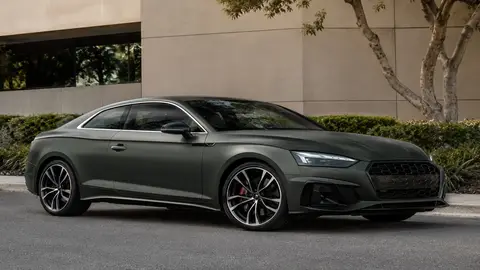
Compact, lightweight rear-wheel-drive coupes have built a reputation in this price bracket for near-even weight distribution and communicative steering, prioritizing driver engagement over drag-strip numbers. These cars typically use modest four-cylinder engines, which keeps curb weight low and cost accessible, relying on chassis tuning rather than power to deliver an engaging driving experience. They're a good fit for drivers who value cornering balance and feedback over straight-line speed.
Front-wheel-drive hot hatches
Performance-tuned compact hatchbacks have also carved out a strong reputation for handling at this price point, often with more usable interior space and everyday practicality than a dedicated two-seat sports coupe. Modern hot hatches typically pair a turbocharged four-cylinder with a well-tuned front suspension and, on some models, a limited-slip differential, which meaningfully reduces the wheel-spin and torque-steer that older front-wheel-drive performance cars were known for.
Tire choice affects handling as much as the car itself. A car with excellent chassis tuning can feel dull on worn or low-grip all-season tires — factor a quality performance-tire upgrade into your budget if the test-drive car isn't wearing the tires you'd actually run.
What to check on a test drive
Published specs like horsepower and 0-60 times don't capture steering feel, brake pedal feedback, or how progressively a car communicates approaching grip limits — all of which matter more for genuine handling enjoyment than a spec sheet. A test drive on a mix of tight corners and highway on-ramps, paying attention to steering weight and how the car settles mid-corner, is more useful than comparing horsepower figures between candidate cars.
- Prioritize curb weight and weight distribution over horsepower when comparing candidates.
- Consider both RWD coupes and FWD hot hatches — both have strong handling reputations at this price point.
- Check manual transmission availability if driver engagement is a priority.
- Budget for a tire upgrade if the test-drive car isn't wearing performance-oriented rubber.
Frequently asked questions
Do I need a lot of horsepower for a fun-to-drive car?
Is rear-wheel drive better than front-wheel drive for handling?
Can I still get a manual transmission in an affordable sports car?
Does tire choice really affect handling that much?
Are hot hatches as fun to drive as sports coupes?
Sources & further reading
Figures, prices and policy details were current at the last-updated date above. Automotive pricing, incentives and regulations change frequently — verify time-sensitive details with the linked primary sources. Read our editorial policy and fact-checking standards.