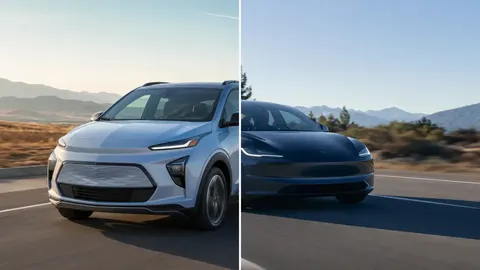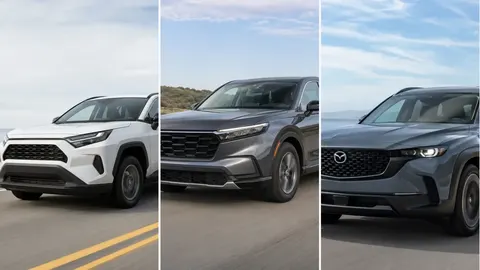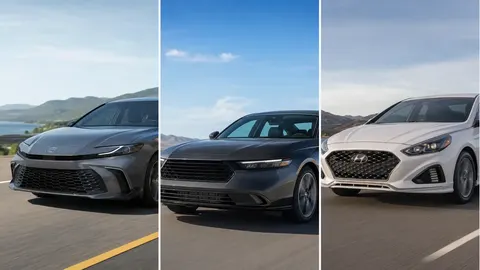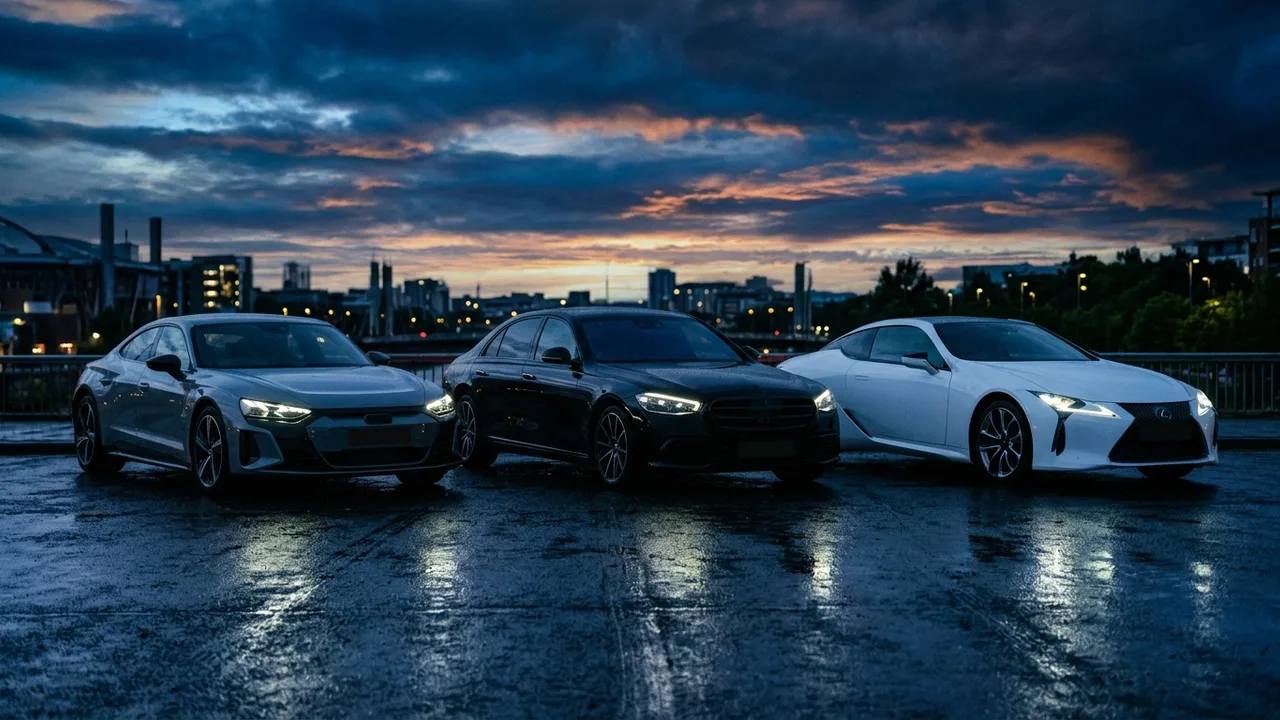
Three badges, three personalities
The German premium triangle is where badge loyalty runs deepest — and where the differences are more real than rivals like to admit. Strip away the leases and the stereotypes mostly survive contact with the road: BMW drives, Mercedes cossets, Audi executes.
What each actually does best
BMW still builds the driver's car of the three. The 3 Series remains the compact-executive reference for steering and balance, M cars are performance icons, and even the electric i4 and i5 kept genuine chassis character. The cost: styling gambles (grilles included) and options pricing that punishes restraint.
Mercedes-Benz owns comfort and occasion. S-Class technology filters down the range, cabins lead on perceived luxury and screen theatre, and ride quality — especially on air suspension — remains a house art. The three-pointed star also carries the strongest chauffeur/status association. The cost: dynamics that rarely thrill, and recent EQ-era styling wobbles the new electric CLA and GLC are correcting.
Audi is the execution brand: interiors of ruthless precision, quattro all-weather security, and design restraint that ages well. The Q6 e-tron's 800-volt platform is currently the trio's best electric hardware. The cost: driving character that critics find remote, and a model range dense enough to confuse its own configurator.
The ownership realities
Depreciation treats the three similarly — heavily — with individual models varying more than badges; electric versions currently fall fastest across all three. Reliability is mid-table for all: modern German complexity costs, and warranties matter. Tech: Mercedes' MBUX leads for wow, BMW's iDrive for usability, Audi's for restraint. Performance ladders: M vs AMG vs RS is taste — M for precision, AMG for muscle and noise, RS for all-weather point-to-point pace.
BMW vs Mercedes vs Audi: the honest verdict
Choose BMW if the drive itself ranks first and you'll feel the difference on your roads. Choose Mercedes if comfort, cabin theatre and presence define premium for you. Choose Audi if you want the most polished everyday execution and quattro's security — the car least likely to annoy anyone, ever.
The questions buyers actually ask
Which is most reliable? None separates decisively; specific engines and model years matter far more than the badge. Research the exact car.
Which EV range is best right now? Audi's PPE-platform cars charge fastest; BMW's i-cars drive best; Mercedes' newest 800-volt models promise the longest legs. It's genuinely close.
Which loses least money? Whichever you buy well — spec sensibly, avoid fad colours, and the badges depreciate within touching distance of each other.
Key takeaways
- The stereotypes broadly hold: BMW drives, Mercedes cossets, Audi executes
- Reliability is mid-pack for all three — model-specific research beats badge faith
- Audi currently holds the EV-hardware edge; BMW the EV-dynamics edge
- M/AMG/RS split by character: precision / drama / all-weather pace
- Buy the priorities, not the badge — the wrong pick is the mismatched one
Sources & further reading
- Manufacturer range data
- UK/US owner-survey trends
- True Motion Auto review archive
Figures, prices and policy details were current at the last-updated date above. Automotive pricing, incentives and regulations change frequently — verify time-sensitive details against the primary sources listed below. Read our editorial policy and fact-checking standards.