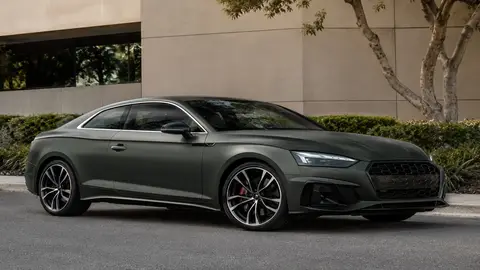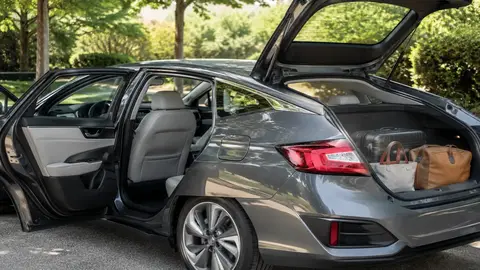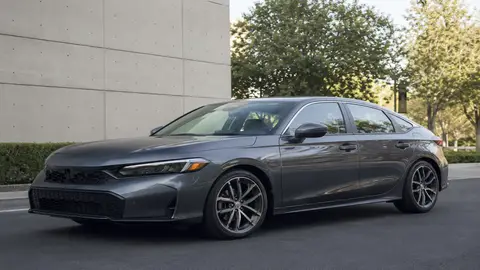
A coupe generally offers a stiffer body structure, better all-weather usability, more trunk/cargo space, and lower insurance costs than an equivalent convertible, which typically carries a 10-20% price premium for the folding roof mechanism and added structural reinforcement. Convertibles trade practicality for open-air driving experience and tend to hold strong enthusiast resale demand on desirable models, but usually have smaller trunks (the roof has to stow somewhere) and higher long-term maintenance risk tied to the roof mechanism itself.
At a glance
| Factor | Coupe | Convertible |
|---|---|---|
| Body rigidity | Higher (fixed roof) | Lower, often needs extra reinforcement |
| Trunk/cargo space | More usable space | Reduced, roof storage eats into it |
| Weather usability | Consistent year-round | Weather-dependent enjoyment |
| Typical price/insurance | Lower than convertible equivalent | 10-20% premium common |
Structural and practical differences
Removing a fixed roof takes away a major structural element, so convertibles typically need additional chassis reinforcement to maintain rigidity and crash safety — this adds weight and cost compared with the coupe version of the same car. That's a key reason convertibles usually carry a noticeable price premium over their coupe siblings, alongside the cost of the folding roof mechanism itself (fabric soft-top or power-folding hardtop).
Daily usability
Coupes work as a genuine daily driver in any climate, with a fixed roof that doesn't affect trunk space or cabin noise. Convertibles are more weather- and climate-dependent for full enjoyment — they're a stronger fit in warm, dry climates and as a second/weekend car in colder ones. Soft-top convertibles also face wear-and-tear considerations (fabric degradation, potential for leaks over time) that hardtop coupes simply don't have.
Cargo and practicality
Because the roof has to stow somewhere on a convertible, trunk space is almost always reduced compared with the coupe version, particularly on power-folding hardtop convertibles where the roof panels take up significant boot volume when lowered. Rear seat space, where present at all, also tends to be tighter on convertibles due to the roof-folding mechanism intruding into the cabin.
| Use case | Better fit |
|---|---|
| Daily commuting in variable climate | Coupe |
| Weekend/enthusiast second car | Convertible |
| Maximum trunk space in a two-door | Coupe |
| Warm climate, open-air driving priority | Convertible |
Beyond the purchase premium, convertibles often cost more to insure due to higher repair complexity, and the roof mechanism itself (motors, hydraulics, seals) is a long-term maintenance item that fixed-roof coupes simply don't have.
Making the choice
- Choose a coupe if you want one car that works year-round with no compromise on cargo space.
- Choose a convertible if open-air driving experience is a priority and you have a milder climate or a second daily-driver car.
- Consider a power-folding hardtop convertible as a middle ground — quieter and more secure than a soft-top, at the cost of extra weight and trunk space.
Frequently asked questions
Are convertibles less safe than coupes?
Do convertibles cost more to insure?
Can a convertible be a practical daily driver?
Which holds resale value better, coupe or convertible?
Sources & further reading
- Insurance Institute for Highway Safety (IIHS) — Vehicle Safety Ratings
- Edmunds — Convertible Buying Guide
Figures, prices and policy details were current at the last-updated date above. Automotive pricing, incentives and regulations change frequently — verify time-sensitive details with the linked primary sources. Read our editorial policy and fact-checking standards.