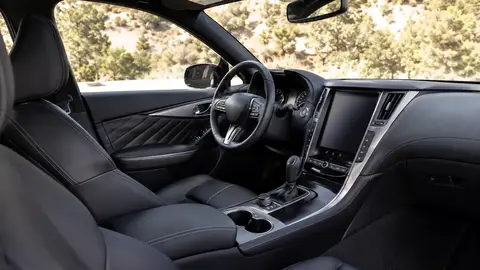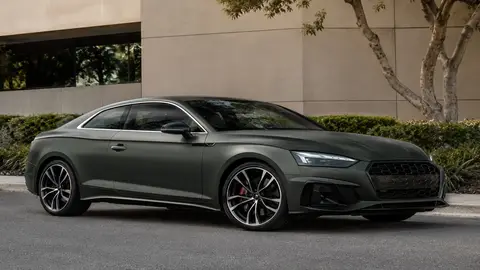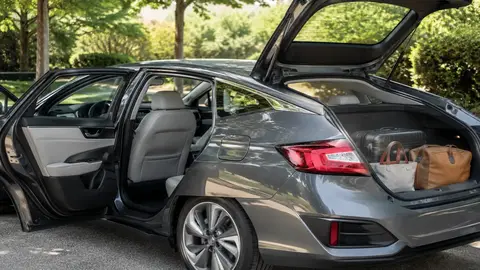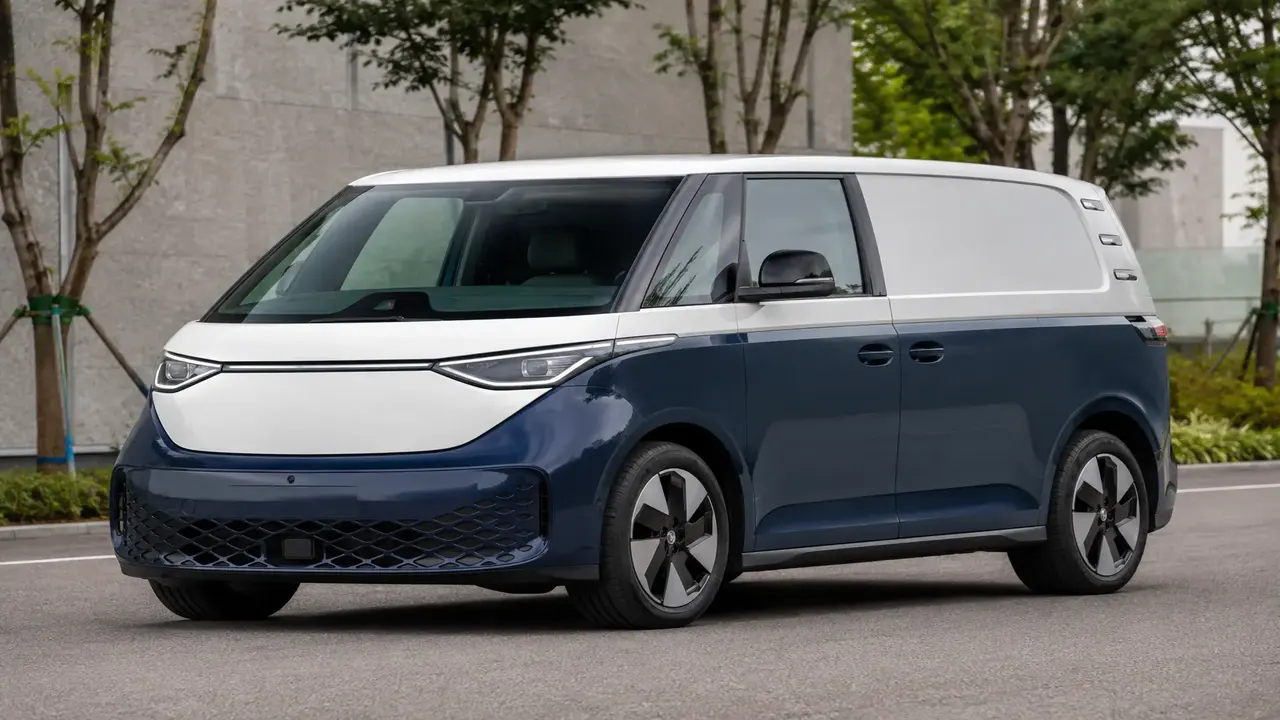
Above $30,000, buyers in the US typically choose between loaded mainstream midsize/full-size models, entry-level luxury sedans and SUVs, and mainstream 3-row SUVs. Around $30,000-$40,000 covers top-trim mainstream cars and base luxury compact SUVs/sedans (e.g., entry Lexus, Acura, Infiniti, Volvo tiers). From $40,000-$60,000+, mainstream German and Japanese luxury midsize sedans/SUVs and performance-oriented trims come into range. What changes most isn't raw speed — it's materials, driver-assistance tech, and brand cachet.
At a glance
| Budget band | What you typically get |
|---|---|
| $30,000-$40,000 | Top-trim mainstream cars, entry-luxury compact SUVs/sedans |
| $40,000-$55,000 | Mainstream luxury midsize sedans/SUVs, loaded 3-row SUVs |
| $55,000+ | German executive sedans, performance trims, larger luxury SUVs |
What 'premium' actually buys at each tier
At the lower end of this range, the difference between a loaded mainstream car and an entry luxury model is mostly about badge, interior materials, and standard driver-assistance features rather than outright performance. As budgets climb past $45,000-$50,000, genuine gaps open up in ride refinement, sound insulation, available engine choices and advanced tech like adaptive suspension or upgraded sound systems.
Entry luxury vs loaded mainstream
A top-trim mainstream midsize sedan or SUV (Toyota Highlander/Camry XSE, Honda Accord/Pilot Touring) often matches an entry luxury model on feature count — heated/ventilated seats, adaptive cruise, premium audio — while typically costing several thousand less and carrying lower long-term maintenance costs. What you give up is brand prestige and, in many cases, a slightly less refined ride and cabin materials.
Where luxury brands pull ahead
- Cabin material quality: real leather, wood/metal trim, tighter panel gaps.
- Ride refinement: better sound insulation and, on higher trims, adaptive/air suspension.
- Resale and lease dynamics: luxury brands often have stronger lease programs even where outright resale % is similar.
- Dealer experience: complimentary service loaners and concierge-style maintenance are more common.
| Priority | Best direction to shop |
|---|---|
| Maximum feature-per-dollar | Top-trim mainstream car/SUV |
| Prestige and resale on lease | Entry luxury sedan or SUV |
| Family hauling with comfort | 3-row mainstream or luxury SUV |
| Driving engagement | Sport-trim mainstream or performance luxury sedan |
Ownership cost reality above $30,000
Maintenance and insurance costs generally rise with brand prestige and part complexity, not just price. A $35,000 loaded Toyota or Honda typically costs meaningfully less to insure and service than a $35,000 entry-luxury European model, even though both have a similar purchase price. Factor at least one to two years of maintenance and insurance quotes into your decision before committing to a brand at this level.
At this budget tier, option packages (driver assistance, premium audio, larger wheels, adaptive suspension) can each add $1,500-$4,000. Configure a realistic build on the manufacturer's own site before comparing models to avoid comparing a base price against a loaded one.
Frequently asked questions
Is a loaded mainstream car better value than an entry luxury car?
What is the cheapest way into a luxury brand?
Do luxury cars cost more to insure over $30,000?
Are 3-row SUVs a good use of a $40,000+ budget?
Sources & further reading
Figures, prices and policy details were current at the last-updated date above. Automotive pricing, incentives and regulations change frequently — verify time-sensitive details with the linked primary sources. Read our editorial policy and fact-checking standards.