One badge, two philosophies
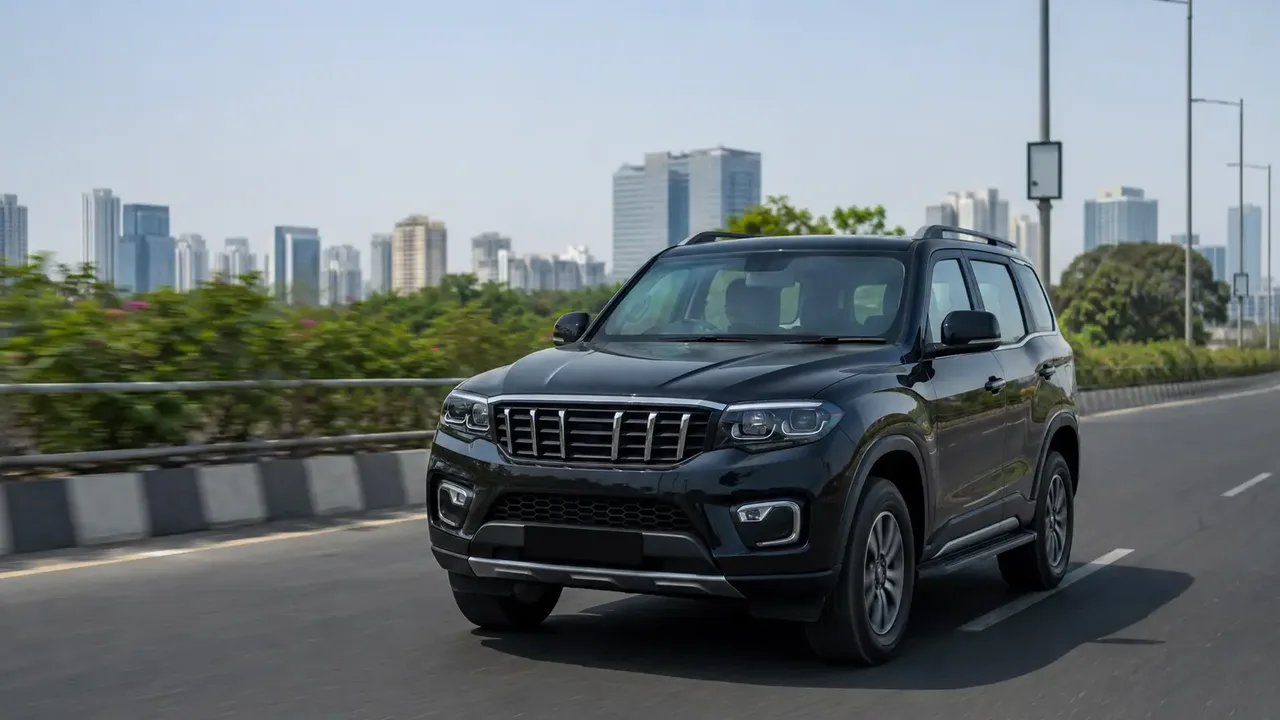
Mahindra sells two three-row flagships at overlapping prices and lets the customer resolve the contradiction. The Scorpio-N is the evolved avatar of the ladder-frame legend: commanding, tough, rear-drive-based, built for bad roads and presence. The XUV700 is the modern monocoque answer: car-like to drive, screen-rich, ADAS-equipped, built for expressways and families. The engines even overlap. The characters never do.
Where the Scorpio-N wins
Toughness and stance. The body-on-frame construction shrugs off broken terrain, deep potholes and rural duty in a way monocoques tolerate rather than enjoy. Add the 4XPLOR four-wheel-drive option — a genuine low-range transfer case, not a torque-shuffling coupling — and it's the only one of the two you'd take properly off the tarmac.
Road presence as a feature. The upright grille and sheer height buy the intangible that half this segment's buyers are actually shopping for. Traffic parts differently for a Scorpio. That is not engineering; it is real.
Simplicity where it counts. Fewer electronic layers, chunky controls, and a cabin that prioritises robustness — the spec that district-town ownership rewards.
Its taxes: body-on-frame physics mean more vertical pitch over expressway joints and more lean in corners; the third row is best for children and the boot with all rows up is token; ADAS is absent; and the driving position is commanding rather than car-natural.
Where the XUV700 wins
Ride, handling and refinement. The monocoque XUV rides flatter, steers with genuine precision, and cruises triple-digit expressways with a composure the Scorpio approximates but never matches. For highway families, this difference is felt every single trip.
The tech case. Twin displays, Level-2 ADAS (adaptive cruise, lane keeping, emergency braking) on top trims, a segment-benchmark feature list — plus a strong crash-test record. For safety-first, gadget-fluent buyers the XUV simply speaks their language.
Space efficiency. Same footprint economics, better third-row habitability and boot flexibility — the practical three-row of the pair.
Its taxes: waiting periods have historically been long on top diesels; the tech density brings the electronic niggles Mahindra surveys still admit; and it will follow you politely off-road exactly as far as a family crossover should, no further.
The engine room, shared and split
Both use Mahindra's 2.0 turbo-petrol (strong, thirsty) and the 2.2 diesel in different states of tune — and the diesel is the correct answer in both cars for heavy family duty: effortless mid-range, 12–15 km/l realistic, automatic options that suit each character. The petrol makes sense only for low-mileage urban buyers allergic to diesel NVH. Verdict inside the verdict: diesel automatic, whichever body you choose.
The decision, stated plainly
- Roads regularly bad, ego pleasantly engaged, occasional genuine off-road or heavy rural use: Scorpio-N, and enjoy the throne.
- Expressway family miles, safety tech non-negotiable, three usable rows: XUV700, and it isn't particularly close.
- City-only buyers: honestly, both are large instruments for the job — but the XUV's lighter controls and cameras make it the easier daily.
- Resale note: both hold value strongly; the Scorpio nameplate's demand in non-metro markets is legendary and liquid.
The quiet truth this comparison teaches: Mahindra isn't competing with itself by accident. It has both ends of India's SUV psyche covered — the fortress and the spaceship — and the only mistake is buying the wrong one for your actual roads.
The questions buyers actually ask
Which one for a driver-plus-chauffeur household? The XUV700, without hesitation — its middle row, ride quality and quietness serve the owner's seat better, and the ADAS suite helps whoever's driving. The Scorpio is a car you buy to drive yourself, throne-style.
How do waiting periods and variants play into it? Both carry India's classic top-variant queues; the underrated move in each range is one trim below flagship — nearly all the hardware, months less waiting. Diesel ATs hold the longest queues and the strongest resale, a correlation that tells you what India actually wants.
Is the Scorpio-N overkill without 4WD? Not at all — most sell as rear-drive, and the ladder-frame ruggedness, stance and durability arguments stand without the transfer case. Buy 4XPLOR only for genuine terrain; buy the RWD for everything the badge already means.
Mahindra Scorpio-N vs XUV700: key takeaways
- Scorpio-N = ladder-frame toughness, presence and real 4WD; XUV700 = ride, refinement, space and ADAS
- The 2.2 diesel automatic is the right powertrain in either body
- Highway families are measurably better served by the XUV700; rough-road and off-road buyers by the Scorpio-N
- XUV carries the tech (and its niggles); Scorpio carries the simplicity (and its bounce)
- Both hold value — choose by terrain and temperament, not the badge, which is identical
Sources & further reading
- Mahindra specification and price data, 2026
- Bharat/Global NCAP crash results
- True Motion Auto three-row comparison testing
- Indian resale-value tracking
Figures, prices and policy details were current at the last-updated date above. Automotive pricing, incentives and regulations change frequently — verify time-sensitive details against the primary sources listed below. Read our editorial policy and fact-checking standards.