🏆 THE RESULT
1st — Tata Sierra EV · more space, a rare AWD option, and Tata's deeper EV experience make it the more complete car
2nd — Mahindra BE 6 · the most exciting EV India has produced, and the enthusiast's clear pick
One of the narrowest results we've reached. These cars are so different in intent that the "winner" matters less than usual — read the buying guidance carefully.
The most interesting choice in Indian EVs
This is a genuinely difficult comparison, because both cars are good and they want completely different things.
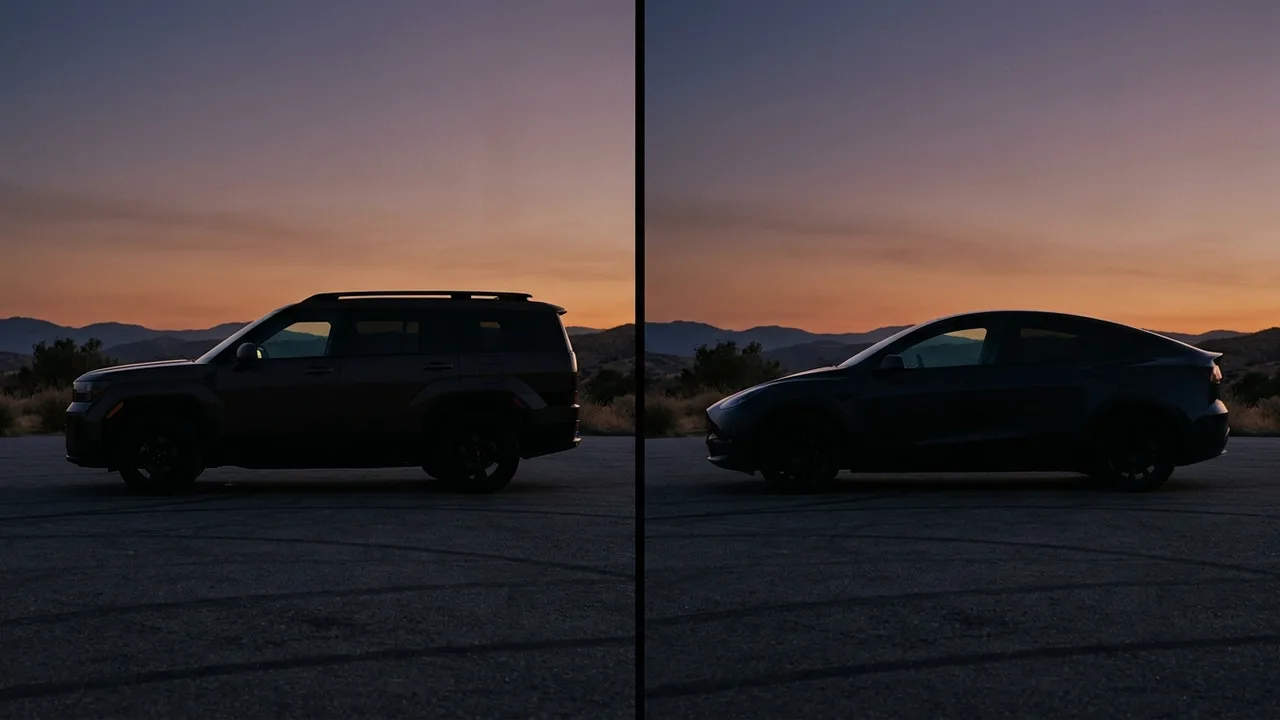
The Tata Sierra EV revives a beloved icon as a spacious, capable, tech-rich family SUV with class-leading range. The Mahindra BE 6 is a concept-car-styled electric coupe-SUV that puts the driver at the centre and everything else second.
Neither is trying to be the other, which makes ranking them slightly artificial. We've done it anyway — but the "buy this one if" guidance genuinely matters more here than the podium.
Tata Sierra EV vs. Mahindra BE 6: the numbers
| Tata Sierra EV | Mahindra BE 6 | |
|---|---|---|
| Price (ex-showroom) | ₹18.79 lakh – ~₹26 lakh | ₹18.90 – 28.49 lakh |
| Battery | 63 / 75 kWh (Acti.ev+) | 79 kWh BYD Blade |
| Range (claimed) | 665 km (MIDC, 2WD 75 kWh) | 683 km |
| Real-world | ~420–470 km | ~450–500 km |
| Drivetrain | RWD or dual-motor AWD ("QWD") | RWD (INGLO) |
| Ground clearance | 205 mm (AWD) | lower |
| Body | upright SUV | low coupe-SUV |
| Screens | triple-screen | driver-focused, premium audio |
| Boot | larger | compromised by roofline |
| Warranty | lifetime battery | strong |
| Character | practical, capable, characterful | dramatic, fun, driver-first |
2nd place — Mahindra BE 6
The most exciting EV India has produced, and it finishes second only because excitement isn't the same as completeness.
Our rated review scored it 8/10.
What it does best:
- The design. Nothing in India looks like it. The low, dramatic, genuinely concept-car-like silhouette creates real desire in a segment defined by sensible boxes. For buyers who want their EV to look extraordinary, there's no alternative.
- It's genuinely fun to drive. Mahindra's "unapologetically fun" positioning is earned — the INGLO platform's rear-drive architecture, strong power and driver-focused setup make it engaging in a way almost no mainstream EV is.
- The longest claimed range here at 683 km from its 79 kWh BYD Blade battery (real-world ~450–500 km).
- Premium tech and a Harman Kardon system, with Level 2 ADAS.
- A lower entry price (₹18.90 lakh) than the Sierra's top trims.
Why it finishes second:
- The coupe roofline costs real practicality. Rear headroom, boot space and rear-seat comfort are all compromised versus the upright Sierra. For a family car, that's a genuine and daily cost.
- Visibility. Low-slung design with a rising beltline typically compromises rearward vision — worth checking on a test drive, especially for city parking.
- No AWD option, so no equivalent of the Sierra's genuine capability.
- Mahindra's EV service ecosystem is newer than Tata's.
- Driver-first means passenger-second — a deliberate choice, but one that matters if you carry people.
Buy the BE 6 if: you want the most exciting, best-looking, most fun-to-drive EV in India, you mostly drive yourself, and you can accept the practicality trade-offs after testing them properly. For the enthusiast, this is the clear pick — and its second place reflects breadth, not merit.
🏆 1st place — Tata Sierra EV
It wins on completeness — more space, real capability, and India's deepest EV experience behind it.
Our rated review scored it 8.5/10.
Why it takes the win:
1. The rare AWD option is a genuine differentiator. The dual-motor "quad-wheel-drive" flagship, with 205 mm ground clearance, six terrain modes, Off-road Assist and a 540-degree Transparent Mode camera, offers real capability almost no mainstream Indian EV can match. On broken rural roads and in monsoon conditions — the reality of much Indian driving — that matters considerably more than a spec sheet suggests. It's also spiritually right: the original Sierra was rugged.
2. Space and practicality lead. A larger boot and a genuinely roomier cabin than the BE 6, with the upright body delivering usable rear headroom. For a family car, this is the most consequential practical difference between them.
3. Class-leading range in usable form. 665 km claimed (2WD 75 kWh), translating to a real-world ~420–470 km that makes inter-city travel straightforward.
4. The triple-screen cabin creates real occasion — driver's cluster, central infotainment and a dedicated passenger display, out-screening most rivals.
5. Tata's EV depth. As India's EV segment leader with the most developed charging ecosystem, battery know-how and software experience, Tata brings advantages a newer EV maker can't shortcut — plus a lifetime battery warranty.
6. Heritage that means something. The Sierra name carries genuine emotional weight, and the revival earns it through substance rather than nostalgia.
Where it's beatable:
- Ride quality deserves scrutiny. Feedback on Tata's recent EVs has raised questions — sit in the back on a genuinely rough road before buying.
- The range-versus-AWD trade-off: 665 km is the 2WD figure; the AWD flagship shows less. You choose capability or maximum range.
- Costs add up — the AWD premium (~₹1.2 lakh) plus charger installation (~₹49,000) pushes the flagship toward ₹26 lakh.
- The BE 6 is more exciting, and it isn't close.
The bottom line
The Sierra EV wins because it's the more complete vehicle: more space, genuine AWD capability, class-leading usable range, and Tata's segment-leading EV experience — all wrapped in a revival that honours a cherished name with substance.
The BE 6 finishes second and is the more thrilling car by a wide margin. If you want excitement, drama and driving fun, buy it without hesitation — just test the rear seat and visibility first.
Choose on your actual life: if you carry family and passengers, need capability for rough roads, or want maximum practicality, the Sierra. If you mostly drive alone, want something that looks extraordinary and enjoys being driven, the BE 6.
Drive both. These are two of the most interesting cars India has produced, and the choice between them is genuinely enjoyable to make.
Key takeaways
- Winner: Tata Sierra EV — more space, a rare AWD option with 205 mm clearance and terrain modes, and Tata's deepest-in-India EV experience
- Mahindra BE 6 (2nd) is the most exciting EV India has produced, with the longest claimed range (683 km) and genuine driving fun
- The BE 6's coupe roofline costs real rear headroom, boot space and visibility — a daily cost for a family car
- The Sierra's AWD capability matters more in Indian conditions (broken rural roads, monsoon) than a spec sheet suggests
- Scrutinise the Sierra's rear-seat ride on a rough road, and note the range-vs-AWD trade-off: 665 km is the 2WD figure
Sources & further reading
- Autocar India
- CarWale
- CarDekho
- manufacturer specifications. Verified July 2026.
Figures, prices and policy details were current at the last-updated date above. Automotive pricing, incentives and regulations change frequently — verify time-sensitive details with the linked primary sources. Read our editorial policy and fact-checking standards.