EVs lose range in the cold because heating the cabin and warming the battery both draw power, and cold cells deliver energy less efficiently. Real-world data from 30,000+ vehicles shows an average loss of about 20–22% at 0°C (32°F), climbing toward 30% at −7°C (20°F) with full heating. The best fix is preconditioning while still plugged in — warming cabin and battery on wall power costs zero driving range and can save 15–20% of battery. Cars with a heat pump lose far less (a Model 3 with one lost ~13% versus ~21% without). Use seat and steering heaters over cabin air, drive smoothly, and keep the battery in a healthy charge band.
Winter range loss at a glance
| Condition | Typical range loss | Main cause |
|---|---|---|
| Mild cold (~0°C / 32°F) | ~20–22% | Cabin heating + cold battery |
| Hard freeze (~−7°C / 20°F) | Around 30% | More heating, slower chemistry |
| With heat pump | Often ~13–17% loss | Efficient heating recovers much of it |
| Preconditioned on the plug | Up to 15–20% saved | Heat drawn from grid, not battery |
Why EVs lose range in the cold
Three things combine in winter. First, the cabin heater draws a lot of power — and unlike a petrol car there is no waste engine heat to use, so warmth comes straight from the battery. Second, the battery itself works less efficiently when cold; lithium-ion chemistry slows down, temporarily reducing available capacity and charging speed. Third, denser cold air, winter tyres and slush add resistance. Together these can cut real-world range substantially.
The numbers are less alarming than the headlines. Recurrent's 2025–26 study of more than 30,000 vehicles found an average loss of about 20–22% at 0°C, rising toward 30% at around −7°C with full cabin heating. Individual cars vary, and the worst losses come at speed in deep cold with the heater on full.
The heat pump advantage
A heat pump is the most important hardware feature for winter range. Instead of electric resistance heating (which converts battery energy to heat at roughly 1:1), a heat pump moves ambient and waste heat far more efficiently. In testing, a Tesla Model 3 with a heat pump lost only about 13% of range in the cold, against about 21% without one — nearly half the loss. If you are buying for a cold climate, prioritise a heat pump.
Preconditioning: the single best habit
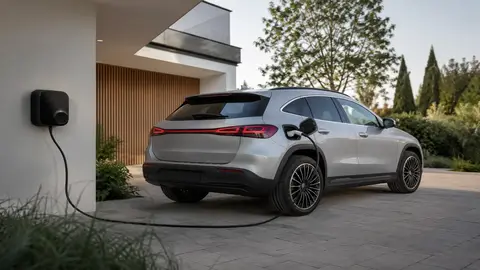
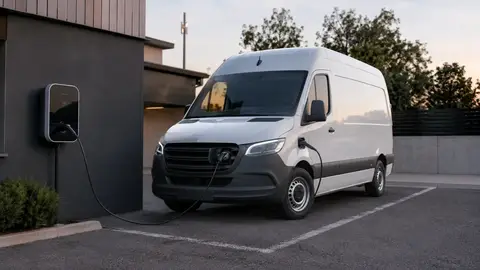
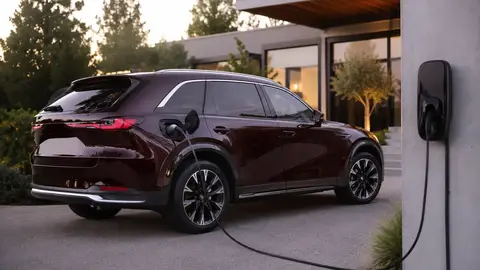
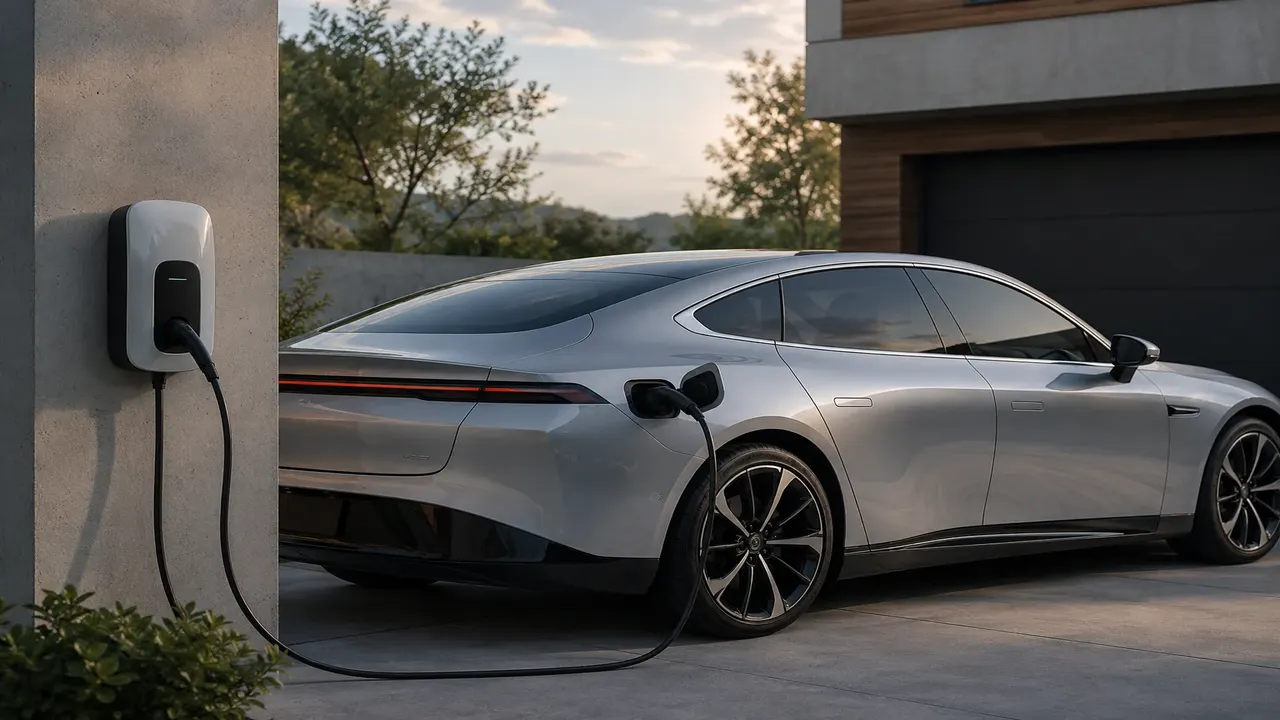
Preconditioning means warming the cabin (and on many cars the battery) before you set off, while still plugged in. Done on wall power it costs you zero driving range because the energy comes from the grid, not the battery — and it can save 15–20% of battery you would otherwise spend warming up on the move. It also means a warm cabin, clear windows and a battery ready to accept faster charging.
- Schedule departure time in the app or car so it preconditions automatically before you leave.
- Precondition while still connected to the charger so the heat comes from the grid.
- Before a fast charge in winter, set the sat-nav to the charger so the car warms the battery on the way, restoring charging speed.
- Clear snow and ice off while it warms — a warm cabin and clear glass cost nothing extra on the plug.
Driving and charging habits that win range back
| Habit | Why it helps | Typical gain |
|---|---|---|
| Use seat/steering heaters | Heats you, not the whole cabin | Several % of range |
| Precondition on the plug | Heating from grid, not battery | Up to 15–20% battery saved |
| Drive smoothly, moderate speed | Less energy versus cold-dense air | Noticeable at motorway speed |
| Keep battery 20–80%, charge after driving | Warm pack charges faster | Faster, fuller winter charging |
| Eco mode / reduced regen on ice | Smoother, safer delivery | Safety plus efficiency |
Charging in the cold
A cold battery accepts power more slowly, so winter fast charging takes longer unless you precondition the pack first. Charge soon after driving while the battery is still warm, and at home set a departure time so the car finishes charging just before you leave. Expect slower public rapid charging on a cold morning — preconditioning before you arrive is the cure.
Many EVs show a conservative range figure on a cold morning that improves once the cabin and battery warm up and the car relearns conditions. Plan with a winter buffer, but the displayed worst case is rarely the whole story for a typical commute.
Mistakes to avoid in winter
- Heating the cabin on battery power while driving instead of preconditioning on the plug.
- Blasting full cabin heat when seat and steering heaters would keep you comfortable for a fraction of the energy.
- Fast charging a cold-soaked battery without preconditioning, then blaming the charger for slow speeds.
- Leaving the car at very low charge in deep cold, which strains the pack and leaves little buffer.
- Forgetting winter tyres where conditions demand them — grip and safety matter more than the last few miles of range.
Regional notes
In the UK most winters are mild but damp, so the 20%-ish loss around freezing is the realistic planning figure; off-peak overnight charging makes the extra consumption cheap. In the northern US and Canada, deep cold and a heat pump make a large difference — choose accordingly. In most of India cold-weather range loss is a minor concern except in the far north and high-altitude regions in winter; there, the same preconditioning and gentle-driving advice applies.
Frequently asked questions
How much range do EVs lose in winter?
What is the single best way to reduce winter range loss?
Does a heat pump really help in the cold?
Why is my EV charging slowly in winter?
Should I use the cabin heater or seat heaters?
Sources & further reading
- Recurrent — Best EV for winter & cold-weather range (30,000-car study)
- InsideEVs — Heat pumps and winter EV range
Figures, prices and policy details were current at the last-updated date above. Automotive pricing, incentives and regulations change frequently — verify time-sensitive details with the linked primary sources. Read our editorial policy and fact-checking standards.