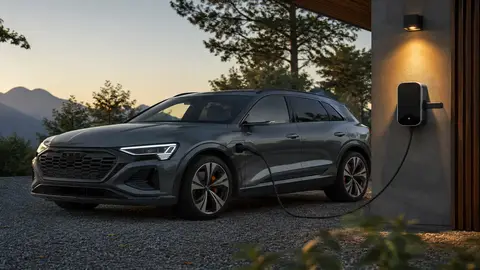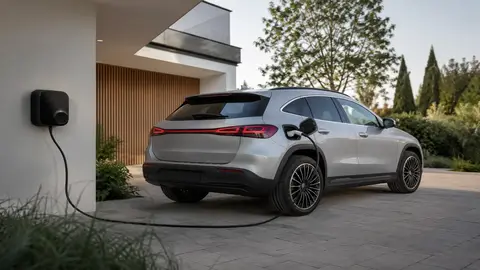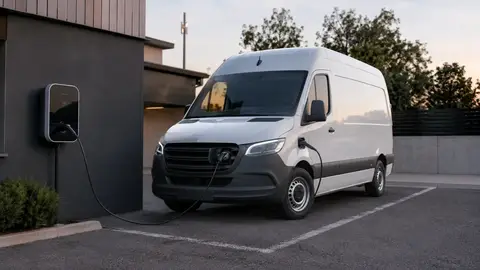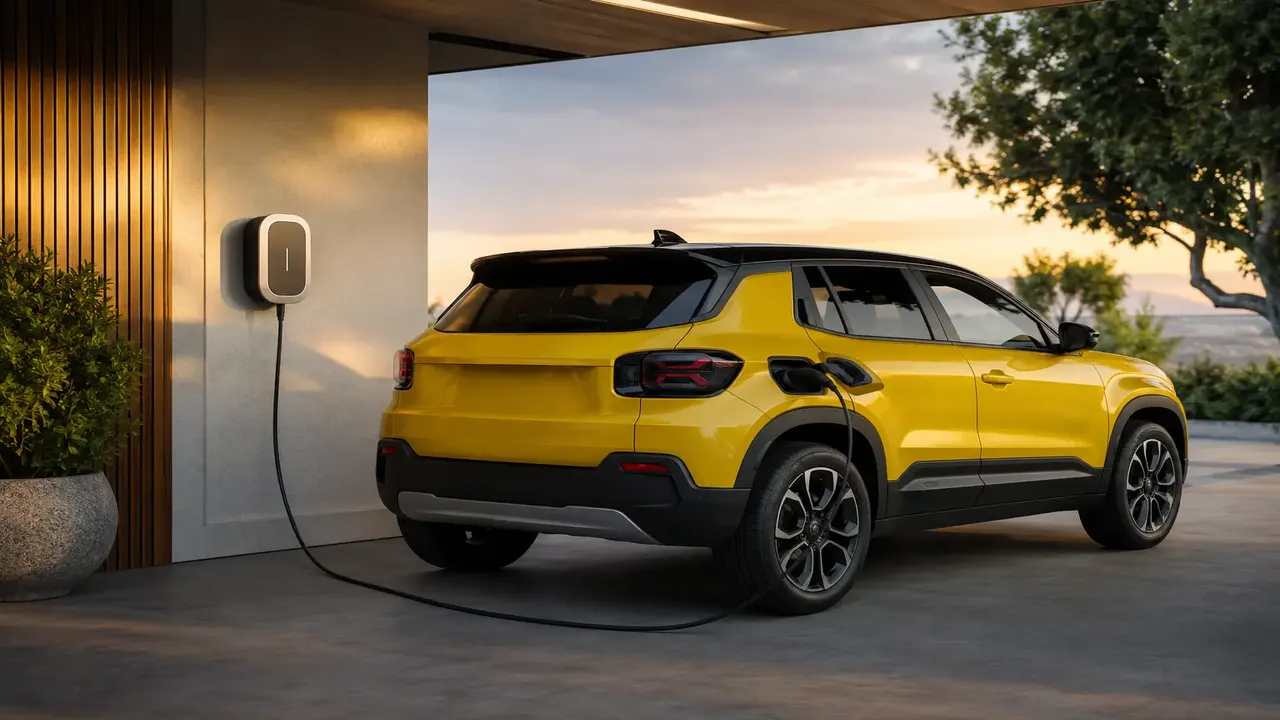
To store an EV well, leave the traction battery at a middle charge — around 50% (roughly 40–60%) — somewhere cool and shaded. For storage of one to three months you can leave it unplugged and check it occasionally; if you can plug in, set the charge limit to ~50% so the car maintains itself without sitting full. Disable battery-draining features like sentry/security modes, and remember the 12V battery can go flat over a long layup. Don't leave the pack at 100% or 0% for weeks, and avoid storing in extreme heat. After storage, start with a gentle AC charge rather than an immediate fast charge.
EV storage at a glance
| Factor | Recommendation | Why |
|---|---|---|
| Charge level | ~50% (40–60%) | Lowest stress on the battery |
| Location | Cool, shaded, dry | Heat accelerates degradation |
| Plugged in? | Optional; set limit to ~50% if so | Maintains level without sitting full |
| Watch out for | 12V battery drain; sentry modes | Common cause of a dead car after layup |
Why storage needs a plan
Lithium-ion batteries don't like sitting at the extremes of charge for long periods. Left near 100%, the pack endures more calendar stress; left near 0%, it can over-discharge and, in the worst case, be damaged. Heat makes both worse. A little preparation before a long layup protects the most expensive part of the car and means it starts and drives normally when you return.
Set the right charge level
The consensus across manufacturers is to store the traction battery at a middle state of charge — around 50%, or anywhere in the 40–60% band. This minimises stress on the cells. For storage of one to three months, target roughly 40–50% and you'll be well within safe limits. Avoid the temptation to 'fill it up so it's ready' — a full pack is the worst thing to leave for weeks.
Plugged in or unplugged?
Both can work; check your handbook:
- Plugged in: set the car's charge limit to about 50% so it holds that level and can manage its own temperature, topping up only as needed. This is convenient where you have a socket and want a hands-off approach.
- Unplugged: many manuals are happy for the car to sit unplugged at 30–60% for up to a few months, with an occasional check. Use this where leaving it connected isn't practical.
- Either way, look in periodically. If the charge has dropped noticeably, top it back up toward 50%.
Mind the 12V battery
A long layup's most common nasty surprise is a flat 12-volt battery, not a flat traction pack. The 12V powers the car's electronics and can slowly drain over weeks, especially if always-on features keep waking the car. If the 12V dies, the car may not 'wake up' even with plenty of traction-battery charge. Options: leave the car plugged in (some EVs keep the 12V topped up), use a 12V maintainer if the handbook allows, or simply check on the car periodically.
Security and monitoring modes (sentry-style cameras and always-on cabin features) are notorious for draining an EV during storage. Switch them off before a long layup unless you genuinely need them — it's a frequent cause of a dead car on return.
Location and conditions
- Cool and shaded. A garage or shaded spot avoids the heat that accelerates degradation — especially important in hot climates.
- Dry and ventilated. Reduces corrosion on brakes and bodywork during a long stand.
- Tyres. Inflate to the correct (or slightly higher) pressure to limit flat-spotting; move the car occasionally if you can.
- Handbrake/parking. Follow the handbook; some advise against leaving the electronic parking brake applied for very long periods — chocks can be an alternative.
Before you leave it: a quick checklist
- Set the charge to ~50% (or charge limit to 50% if leaving it plugged in).
- Disable sentry/security and other always-on features.
- Park somewhere cool, shaded and dry.
- Inflate tyres correctly to limit flat spots.
- Note the date and charge level so you can monitor drift.
- Decide your check-in plan — plugged in, a 12V maintainer, or periodic visits.
Bringing it back into use
When you return, don't immediately hammer a fast charger on a cold- or heat-soaked pack. Start with a gentle AC (Level 2) charge to bring the battery back up, let the car's systems wake and rebalance, and check tyre pressures before driving off. If the car won't wake, suspect the 12V battery — it can be jumped (unplugged) or charged, after which the car should come back to life.
Regional notes
In hot regions (much of India, southern US, the Gulf) the heat advice is the priority: store in shade or a garage and keep the charge moderate, as heat is the main accelerator of degradation. In cold climates, a heated garage isn't essential, but avoid leaving the pack at very low charge in deep cold, and a plugged-in car can keep itself warm and topped up. Everywhere, the core rule is the same: about 50% charge, cool location, drains off.
Frequently asked questions
What charge level should I store my EV at?
Should I leave my EV plugged in during storage?
Will my EV battery die if I leave it for months?
Can I store an EV in hot weather?
What should I do when I take the EV out of storage?
Sources & further reading
- InsideEVs — How to prep your EV for long-term storage
- Recharged — How to store an electric car long term
Figures, prices and policy details were current at the last-updated date above. Automotive pricing, incentives and regulations change frequently — verify time-sensitive details with the linked primary sources. Read our editorial policy and fact-checking standards.