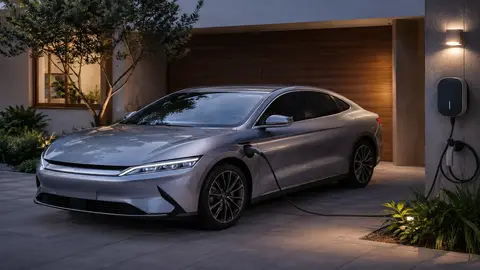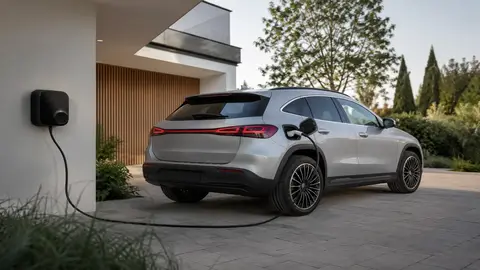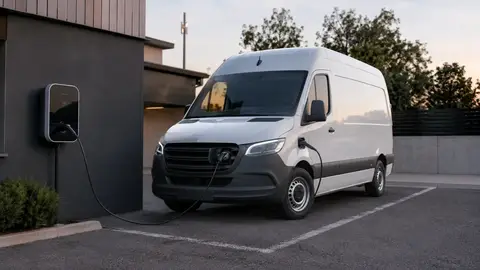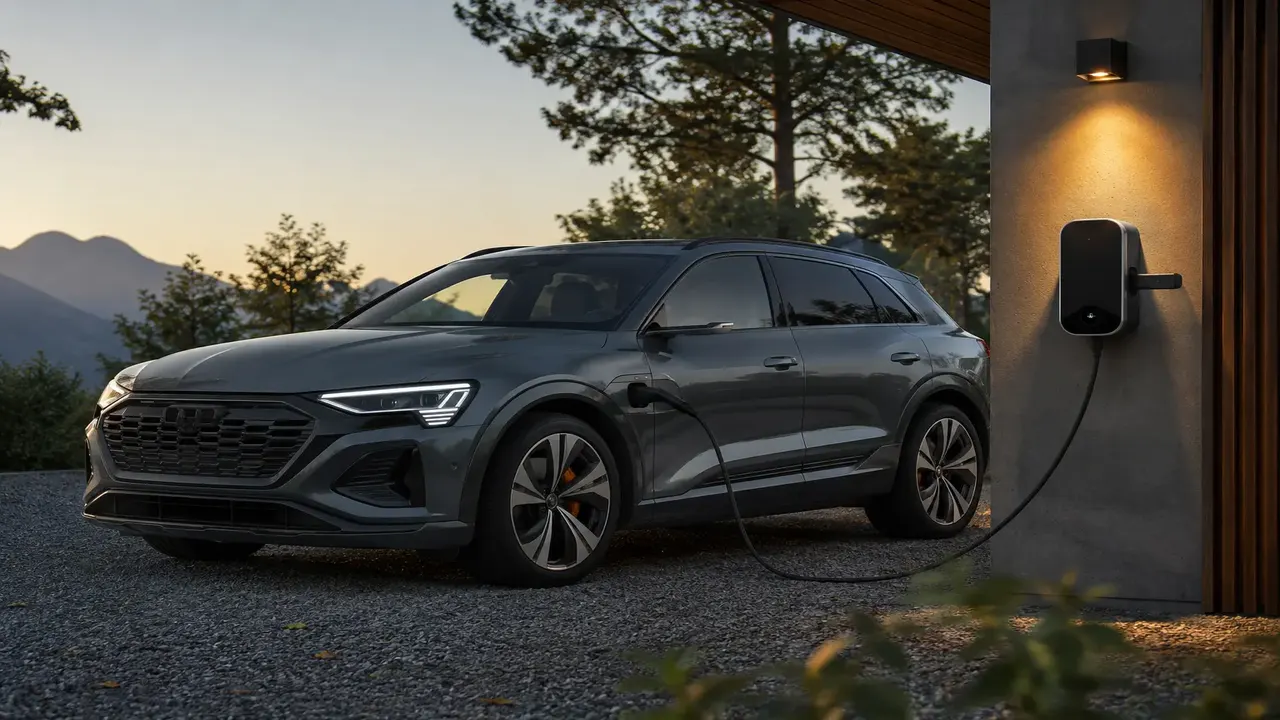
EVs need tyres that handle extra weight, instant torque, low rolling resistance and noise. Look for tyres marked EV-ready or fitted as original equipment on EVs, with a high load rating, a low-rolling-resistance compound (A or B on the EU label), and acoustic foam to quiet the cabin. Rolling resistance is roughly 10% of an EV's energy use, and an A-rated tyre can add several percent of range over a C-rated one. Strong families in 2026 include Michelin (e.Primacy / Pilot Sport EV), Continental (ContiSilent foam), Pirelli (Elect / P Zero), Hankook iON, Goodyear ElectricDrive and Bridgestone Turanza — but always fit the size, load and speed rating your car specifies.
What makes an EV tyre different
| Demand | Why EVs are tougher | What to look for |
|---|---|---|
| Weight | Battery adds 200–500+ kg | High load index; reinforced (XL/HL) |
| Torque | Instant power scrubs tread | Durable, EV-tuned compounds |
| Efficiency | Rolling resistance ~10% of energy | EU label A or B for rolling resistance |
| Noise | No engine to mask road roar | Acoustic foam liner (ContiSilent, PNCS) |
Why electric cars are hard on tyres
EVs ask more of their tyres than equivalent petrol cars for three reasons. First, the battery makes them heavier — often several hundred kilograms more — which raises the load each tyre carries. Second, electric motors deliver maximum torque instantly, so hard acceleration scrubs tread quickly. Third, with no engine noise to mask it, tyre and road roar become the dominant sound in the cabin. The result is that ordinary tyres can wear faster, cost range and make an EV noisier than it needs to be.
What 'EV tyres' actually do differently
- Higher load capacity. Reinforced (XL or the newer HL) construction and higher load indices support the extra mass safely.
- Low rolling resistance. Special compounds and tread patterns reduce energy lost to flexing. As rolling resistance is around 10% of an EV's total energy use, this directly protects range.
- Acoustic foam. A layer of foam bonded inside the tyre damps cavity noise — Continental's ContiSilent, Pirelli's Noise Cancelling System (PNCS), and others' Silent/SilentFoam variants.
- Wear-resistant tread. Compounds tuned to cope with instant torque so efficiency gains don't come at the cost of a short life.
Reading the EU tyre label
In the UK and EU every tyre carries a label rating fuel efficiency (rolling resistance), wet grip and noise. Rolling resistance and wet grip are graded A (best) to E. For an EV, aim for A or B on rolling resistance and at least a B on wet grip. The difference is real: an A-rated tyre versus a C-rated one can mean several percent more range — meaningful miles and money over the tyre's life.
Strong tyre families for EVs in 2026
The best fitment depends entirely on your car's size, load and speed rating, so treat these as families to shortlist, not a universal recommendation. Confirm the exact spec on your door placard or handbook.
| Tyre family | Reputation for EVs | Notable feature |
|---|---|---|
| Michelin e.Primacy / Pilot Sport EV | Low rolling resistance, long life | GreenPower compound; Acoustic options |
| Continental EcoContact / SportContact (EV) | Balanced efficiency and grip | ContiSilent foam liner |
| Pirelli (Elect-marked) / P Zero | OE on many performance EVs | PNCS noise-cancelling foam |
| Hankook iON | Dedicated EV range | Sound Absorber foam; low rolling resistance |
| Goodyear ElectricDrive | EV-specific durability | Wear-resistant compound |
| Bridgestone Turanza (Enliten) | Efficiency-focused | Lightweight Enliten tech |
Look for an EV marking from the maker — Michelin's dedicated EV lines, Pirelli's 'Elect', or wording such as 'EV-ready' — but remember a conventional premium tyre in the correct load rating can also be an excellent fit. The label and load index matter more than branding.
How to choose: a quick method
- Read your exact tyre size, load index and speed rating from the door placard or handbook — never go below the load rating the car specifies.
- Decide your priority: maximum range (favour A-rated rolling resistance), quietness (foam-lined), or grip and handling (performance compound).
- Shortlist EV-marked or premium tyres in the correct spec and compare EU labels side by side.
- Check independent wet-grip and wear tests for your size, not just the headline rating.
- Fit in matching sets (at least per axle), and keep them correctly inflated.
Common mistakes to avoid
- Fitting a tyre with too low a load rating to save money — unsafe on a heavy EV and can invalidate insurance.
- Ignoring rolling resistance and quietly losing range every mile.
- Running under-inflated tyres, which raises rolling resistance, wears edges and cuts range. Check pressures monthly.
- Skipping rotation. EVs can wear tyres unevenly under heavy torque; rotate roughly every 10,000 km / 6,000 miles.
- Mismatching tyres across an axle, which upsets handling and traction control.
India and seasonal notes
In hot climates and on rough roads, durability and sidewall strength matter as much as efficiency; pick tyres rated for the heat and check pressures more often. In regions with real winters, a dedicated winter or all-season EV tyre restores grip the efficiency-focused summer tyre cannot — cold-weather range and safety both improve. Wherever you are, the correct load rating and pressure are non-negotiable on a heavy electric car.
Frequently asked questions
Do electric cars need special tyres?
Do EV tyres improve range?
Why are EV tyres noisier and how do I fix it?
How long do EV tyres last?
What load rating do I need?
Sources & further reading
Figures, prices and policy details were current at the last-updated date above. Automotive pricing, incentives and regulations change frequently — verify time-sensitive details with the linked primary sources. Read our editorial policy and fact-checking standards.