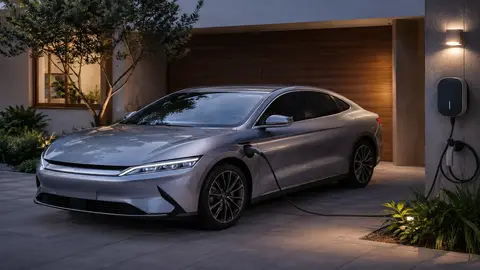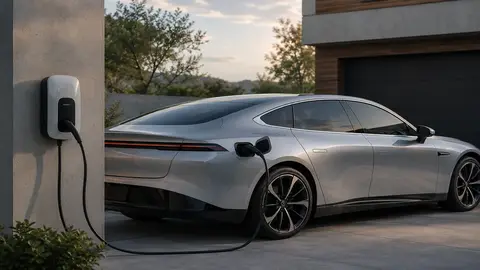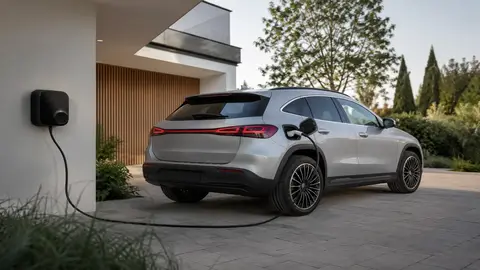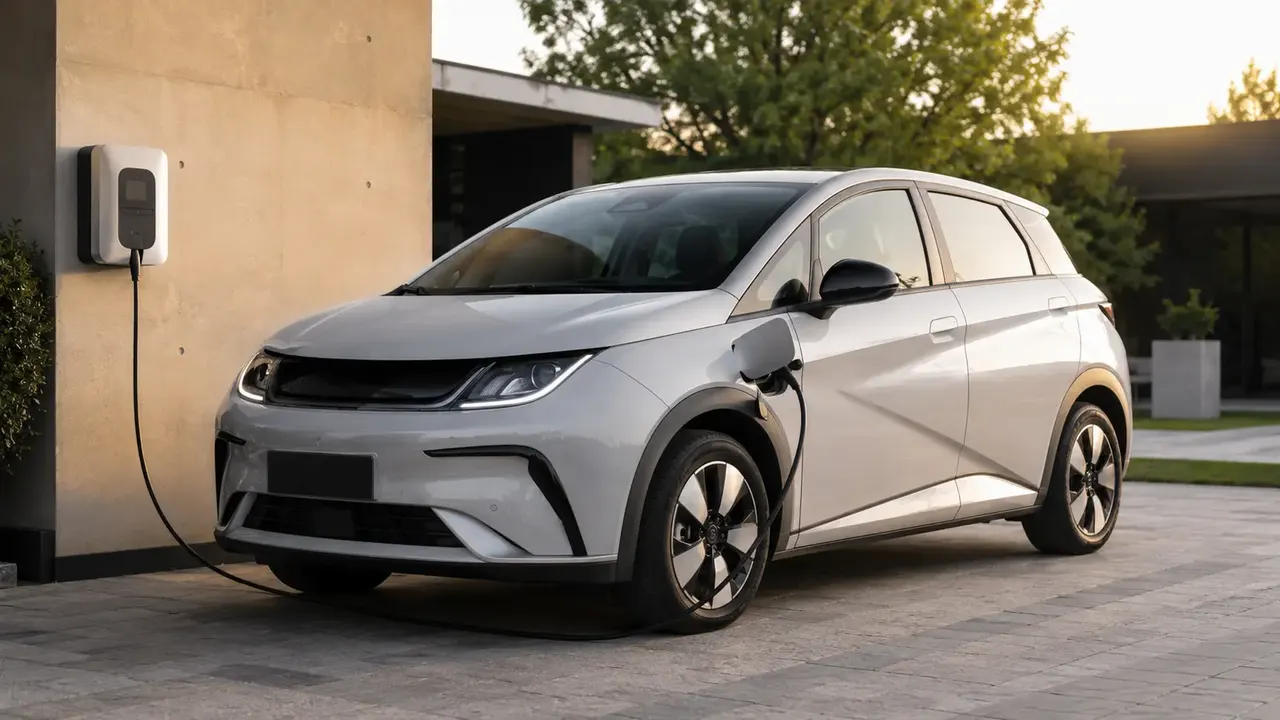
Modern EVs are built for wet conditions: battery packs and high-voltage parts are typically sealed to IP67 or higher, meaning protection against dust and short submersion (about 1 metre for up to 30 minutes), and the system shuts down automatically if it detects a fault. Driving and charging in rain are safe when done sensibly. The real rule is the same as for any car: avoid deep water. If floodwater rises above the centre of your wheels, turn back. Charge under cover where you can, keep the connector and port dry, and after wading through water let the car dry before charging. EVs are as capable in the monsoon as petrol cars — sometimes more so.
EVs in the monsoon at a glance
| Concern | Reality | What to do |
|---|---|---|
| Driving in rain | Safe; HV system is sealed | Drive normally, slow for visibility |
| IP rating | Often IP67+ (dust + short submersion) | Don't rely on it for deep flooding |
| Flood water | Limit to below wheel centre | Turn back from deep water |
| Charging in rain | Safe with weatherproof gear | Keep plug/port dry; use cover if possible |
Are EVs safe in the rain?
Yes. This is the most common monsoon worry and the easiest to put to rest. An EV's high-voltage system is sealed and insulated, isolated from the body, and monitored continuously; if it detects a fault or leakage, it shuts down instantly to keep you safe. Driving in heavy rain, washing the car and charging outdoors are all designed to be safe. The genuine hazards in a monsoon — reduced visibility, aquaplaning, deep standing water — are exactly the same as for a petrol car.
What the IP rating actually means
Most EVs sold today have battery packs, connectors and electrical systems rated IP67 or higher. The two digits matter: the first is dust protection, the second water. IP67 means full dust protection and the ability to survive immersion in about 1 metre of water for up to 30 minutes. That is a robust seal for everyday rain and shallow water — but it is a laboratory rating under controlled conditions, not a licence to drive through a flooded underpass. Use it as reassurance, not a wading depth.
Driving through water: the hard limit
The single rule that prevents most monsoon damage applies to all cars, EV or petrol: don't drive into water you can't judge the depth of, and turn back if it rises above the centre of your wheels. Deep water can flood door seals, the cabin, and electronics regardless of the drivetrain, and moving water can sweep a car away. An EV's sealed pack helps, but it is not a boat.
- If water reaches above wheel centre, find another route — don't risk it.
- If you must cross shallow water, go slow and steady to avoid a bow wave.
- Never restart or charge a car that has sat in deep water until it has been inspected.
- After driving through standing water, test your brakes gently and let the car dry.
Charging safely in the monsoon
Public and home charging equipment is designed to work safely in the rain, with weatherproof plugs and built-in cut-offs. A few habits keep it trouble-free:
- Use covered or indoor charging where you can — a carport, garage or sheltered public bay.
- Keep the connector and port dry. Wipe them before plugging in, and point the connector downward as you connect so water runs off rather than in.
- Plug in firmly so the seal seats correctly.
- Don't charge in standing water, and don't handle charging gear with very wet hands in a downpour any more than you would any electrical appliance.
- If the port is wet, dry it before connecting; modern systems will also refuse or stop a faulty session.
If your EV has been through heavy flooding, let it dry out before starting or charging, and get it inspected if water entered the cabin or reached high on the body. The pack is sealed, but connectors, the 12V system and cabin electronics are not flood-proof. When in doubt, have it checked.
Monsoon prep checklist
| Area | Check | Why |
|---|---|---|
| Tyres | Tread depth and pressure | Grip and aquaplaning resistance |
| Wipers & washers | Replace worn blades; top up fluid | Visibility in heavy rain |
| Door & boot seals | Inspect for gaps | Keep cabin dry |
| Charge port | Cap seated; port clean and dry | Safe, reliable charging |
| Undertray/skid plate | No damage | Protects the pack from debris |
Common monsoon myths
- 'EVs can't be driven in the rain.' False — they're sealed and safe; only deep flooding is a real risk, as with any car.
- 'Charging in the rain will electrocute you.' False — charging gear is weatherproofed and has safety cut-offs.
- 'IP67 means I can ford a flood.' False — it's a controlled lab rating for short, shallow immersion, not a wading depth.
- 'An EV is more dangerous than a petrol car in water.' Not so — its sealed high-voltage system and automatic shutdown can make it as safe or safer; the universal danger is deep, moving water.
The bottom line for Indian owners
EVs from established brands sold in India are engineered for monsoon conditions and are as capable as equivalent petrol or diesel cars in the rain. Drive to the conditions, respect deep water exactly as you would in any vehicle, charge under cover with dry connectors where possible, and keep tyres, wipers and seals in good order. Do that and the monsoon is a non-event for your EV.
Frequently asked questions
Is it safe to drive an EV in heavy rain?
Can I charge my EV in the rain?
What does IP67 mean for an EV?
How deep water can an EV drive through?
My EV went through a flood — what now?
Sources & further reading
- Shriram General Insurance — How rain and floods affect electric cars in India
- Motor Revv — Electric cars in monsoon: myths, realities and tips
Figures, prices and policy details were current at the last-updated date above. Automotive pricing, incentives and regulations change frequently — verify time-sensitive details with the linked primary sources. Read our editorial policy and fact-checking standards.