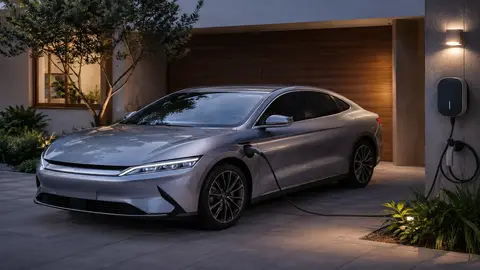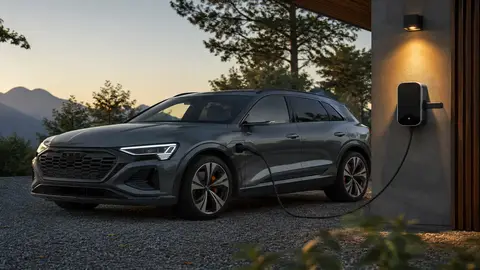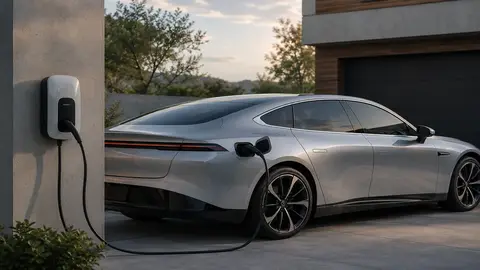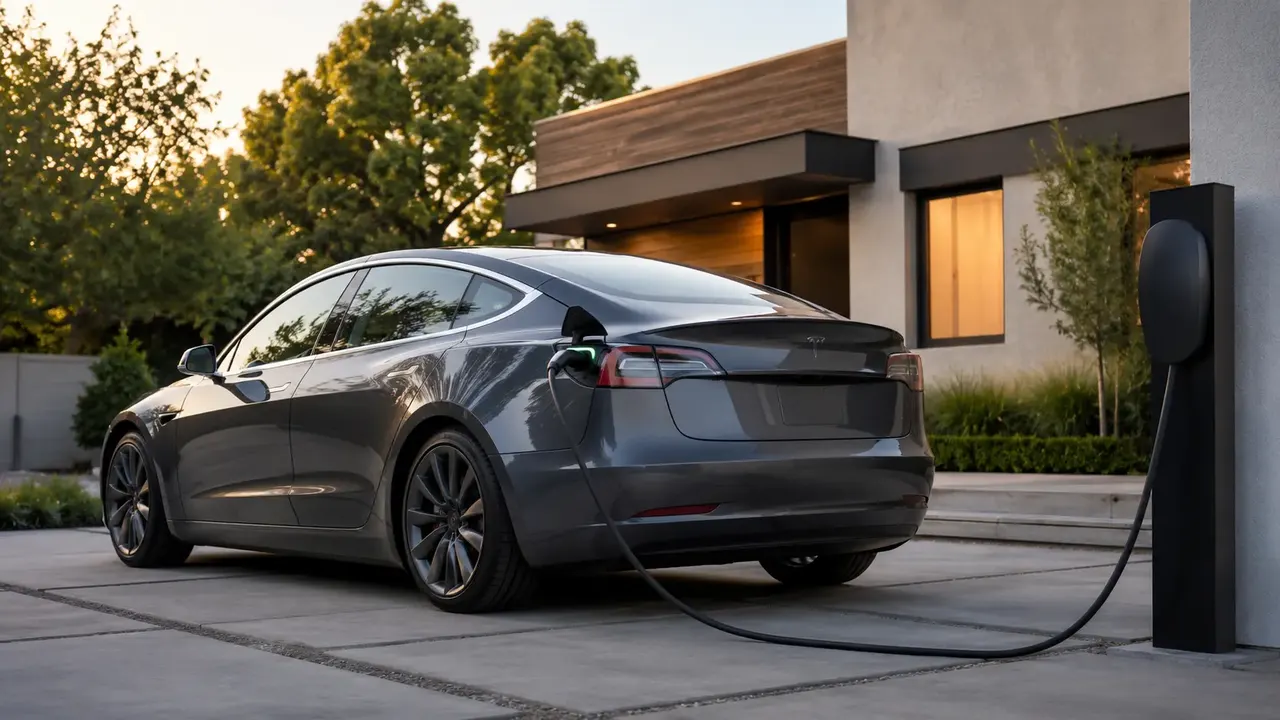
An EV's traction system runs at hundreds of volts — enough to injure or kill. The golden rules: anything orange is high-voltage; never cut, open, probe or handle it. The system is well insulated and safe to drive, charge and ride in normally, including in the rain. But after a collision, fire or flood, treat the high-voltage system as live — it can hold a charge even with the car off — and keep clear of any exposed, damaged or wet orange cabling. Don't open the battery pack, don't attempt high-voltage repairs, and don't let an untrained person tow a crash-damaged EV. Leave high-voltage work to trained technicians and first responders.
High-voltage safety at a glance
| Situation | Safe? | Rule |
|---|---|---|
| Driving / charging normally | Yes | System is insulated and protected |
| Charging in the rain | Yes | Connectors are weatherproofed |
| Touching orange cables | No | Never handle high-voltage cabling |
| After a crash/fire/flood | Treat as live | Keep clear; call EV-trained help |
What 'high voltage' means in an EV
An EV's traction battery and drive system operate at hundreds of volts — commonly around 400V, and 800V on some newer cars — far above the 12V electrics in a normal car and well into lethal territory. The good news is that the system is engineered to be safe in everyday use: it is insulated, isolated from the car's body, monitored constantly, and designed to disconnect automatically if it detects a fault or a crash. You can drive, charge, wash and ride in an EV exactly as you would any car. The caution applies to handling the high-voltage components directly, which you should never do.
The orange cable rule
By regulation, high-voltage cables and components are coloured bright orange as a warning to anyone working near them. The rule for owners is simple and absolute: if it's orange, don't touch it. Don't cut it, unplug it, probe it, or attempt any repair involving it. Orange marks the parts that can hurt you, and they exist precisely so that untrained people leave them alone.
High-voltage components can retain a residual charge in capacitors after the car is switched off. Until the system is properly de-energised by a trained technician, treat any orange cable or component as live. 'Ignition off' does not mean 'safe to touch.'
Everyday situations: what's safe
- Driving, parking and riding — entirely normal; the system protects itself.
- Charging, including in the rain — connectors and ports are weatherproofed and designed to be safe outdoors. Keep the plug and port reasonably dry and plug in firmly.
- Washing the car — fine; EVs are built to be water-resistant.
- Jump-starting the 12V battery — safe, but only with the car unplugged from charging; the 12V system is separate from the high-voltage pack.
Hard rules: what owners must never do
- Never open the high-voltage battery pack or remove its covers — there is no owner-serviceable part inside, and it is extremely dangerous.
- Never cut, splice, probe or modify orange cabling or any high-voltage component.
- Never attempt high-voltage repairs yourself; this is specialist, certified work.
- Never tow a crash-damaged EV with exposed or damaged orange cables, or let an untrained operator do so.
- Never ignore a high-voltage or thermal warning — stop safely and get help.
After a collision, fire or flood
This is where high-voltage safety matters most. The system is designed to isolate itself in a crash, but you should not rely on it visually. The safe response:
| Scenario | Do | Don't |
|---|---|---|
| Collision | Get everyone clear; call emergency services | Touch exposed orange cabling |
| Visible damage to the pack | Keep your distance; warn responders it's an EV | Try to move or inspect the battery |
| EV in flood water | Stay out of the water until HV is confirmed isolated | Wade in to reach the car |
| Fire or smoke from the pack | Evacuate; call fire services; tell them it's an EV | Attempt to fight a battery fire yourself |
Battery fires are rare but behave differently from petrol fires — they can reignite and need large amounts of water or specialist handling. Always tell emergency services it is an electric vehicle so they can respond correctly.
What first responders rely on (and why it concerns you)
Manufacturers publish an Emergency Response Guide for each model, and most cars have a clearly marked 'first responder loop' or cut point that trained personnel can use to disable the high-voltage system and airbags. You don't operate this yourself, but it's worth keeping your car's emergency information accessible and telling responders the model so they can find the right procedure quickly.
Practical takeaways
- Use and charge your EV normally and confidently — including in the rain.
- Treat anything orange as off-limits, always.
- After any crash, fire or flood, assume the high-voltage system is live and keep clear.
- Jump only the 12V battery, and only with the car unplugged.
- Leave all high-voltage work to trained technicians, and tell emergency services it's an EV.
Frequently asked questions
Are EVs safe to drive and charge in the rain?
Why are some EV cables orange?
Can EV high-voltage parts shock me when the car is off?
What should I do after an EV crash?
Can I jump-start an EV safely?
Sources & further reading
- NHTSA / EMS — Guidance for crashes and fires involving electric vehicles
- Jalopnik — Why high-voltage cables are orange on electric cars
Figures, prices and policy details were current at the last-updated date above. Automotive pricing, incentives and regulations change frequently — verify time-sensitive details with the linked primary sources. Read our editorial policy and fact-checking standards.