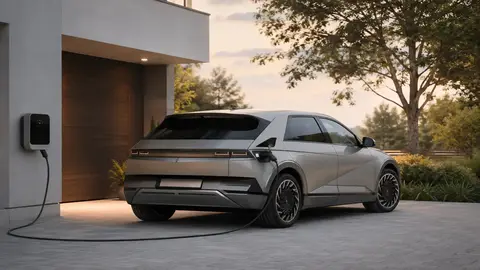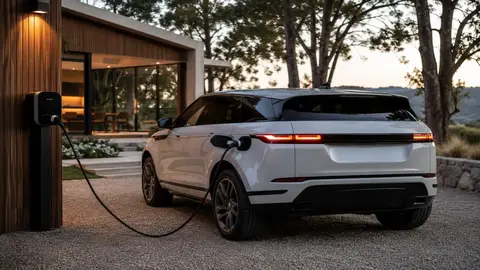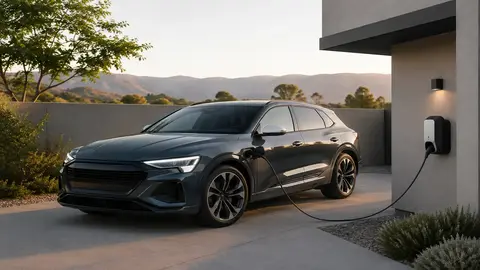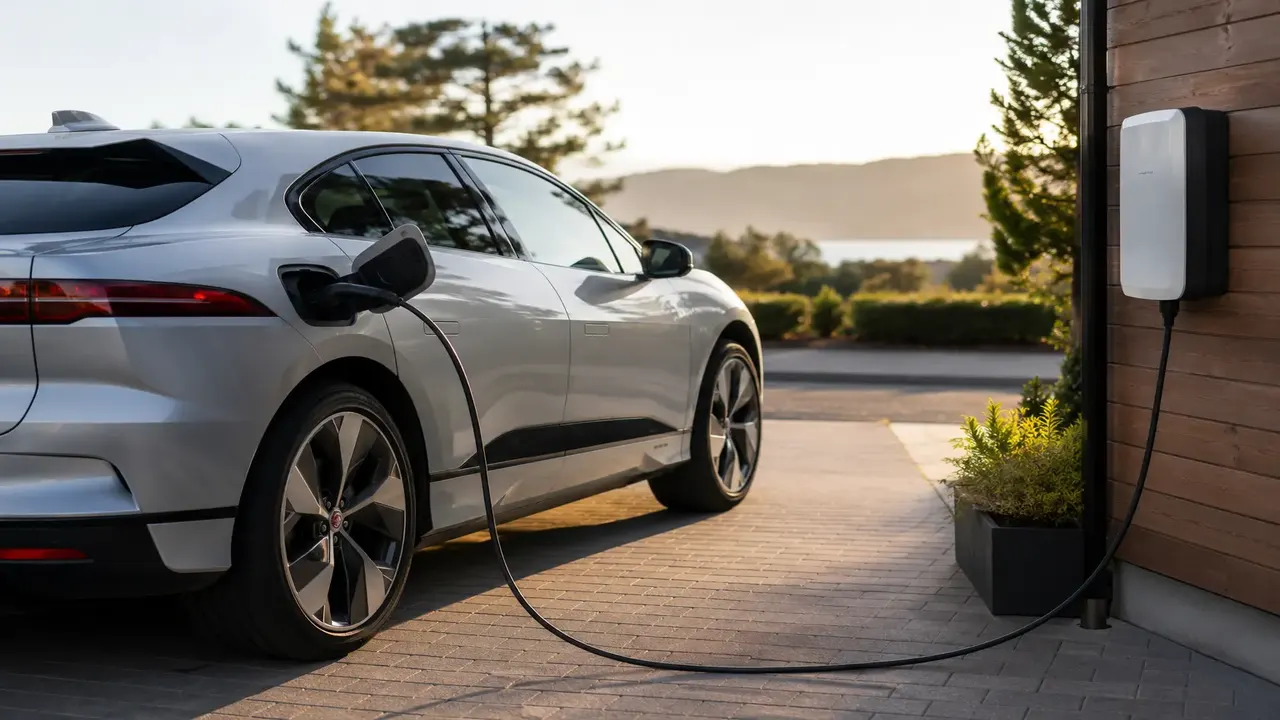
For many drivers the EV version wins on running costs and refinement, while the petrol (ICE) version wins on upfront price, long-trip convenience and resale predictability. With home charging, an EV typically saves on fuel and maintenance, and delivers quieter, quicker, smoother driving. The ICE car costs less to buy, refuels anywhere in minutes, and suits those without charging access or who tow long distances. The right choice hinges on charging access, annual mileage and how you drive — and, in the US, the fact that the federal EV tax credit ended 30 Sep 2025.
ICE vs EV: head to head
| Factor | Petrol/Diesel (ICE) | Electric (EV) | Usual winner |
|---|---|---|---|
| Upfront price | Lower | Higher (no US credit now) | ICE |
| Fuel / energy cost | Higher | Lower (home charging) | EV |
| Maintenance | Higher (oil, belts, etc.) | Lower (fewer parts) | EV |
| Refuelling on trips | Minutes, anywhere | Slower, needs chargers | ICE |
| Driving feel | Familiar, engine noise | Quiet, instant torque | EV (for most) |
| Resale predictability | Established | More variable | ICE |
Why a direct comparison helps
More and more models — the Hyundai Kona, Volvo XC40/EX40, Mini, Fiat 500 and others — exist in both combustion and electric forms. That makes for a uniquely fair comparison: same shape, same brand, often similar interior, differing mainly in powertrain. Looking at near-identical twins strips away the noise and shows what the electric drivetrain really changes — for better and worse.
Upfront price: ICE wins
The electric version almost always costs more to buy. EVs carry expensive batteries, and in the US the federal tax credit that used to offset much of that gap ended on 30 September 2025. So the EV twin typically sits several thousand more than its petrol sibling at the showroom. If the lowest purchase price is your priority, the combustion car wins this round.
Running costs: EV wins (if you charge at home)
This is where EVs claw the money back. Charging at home on a typical tariff is far cheaper per mile than petrol or diesel, and EVs need far less maintenance — no oil changes, no spark plugs, no exhaust or timing belt, and regenerative braking that spares the brakes. Over several years and decent mileage, the fuel and maintenance savings can outweigh the higher purchase price. The crucial condition is home (or cheap workplace) charging; rely on expensive public rapid charging and much of the advantage evaporates.
Whether the EV twin is cheaper to run hinges almost entirely on charging access. With a home wallbox and average electricity prices, the EV usually wins running costs comfortably. Without home charging — depending on pricey public fast chargers — the petrol car can be cheaper to fuel. Be honest about where your car will charge before deciding.
Performance and driving feel: EV wins for most
Electric versions are usually quicker off the line thanks to instant torque, and dramatically quieter and smoother. Many drivers find the EV twin simply nicer to drive in daily traffic. The combustion version offers familiar engine sound, gears and the character some enthusiasts prefer, plus, in performance cars, sustained high-speed ability without the range penalty EVs face. For everyday driving, though, most people prefer the EV experience once they adapt to it.
Practicality and long trips: ICE wins
For long-distance driving, the combustion car still has the edge: refuelling takes minutes and stations are everywhere. The EV needs charging stops that take longer and require planning around charger locations, and towing or motorway speeds cut its range. For drivers who regularly cover long distances, especially without easy charging en route, the ICE twin is more convenient. For the typical commuter who charges at home overnight, this rarely matters.
Resale and depreciation
Combustion cars have a long, well-understood resale track record. EV resale values have been more volatile — some hold value well, others depreciate quickly as technology moves and incentives shift. This uncertainty is the hardest part of the comparison to predict, and it can swing total cost of ownership either way depending on the specific model and how long you keep it.
So which should you buy?
- Choose the EV if you can charge at home, drive a meaningful annual mileage, value quiet and quick driving, and plan to keep the car several years.
- Choose the ICE if you can't charge easily, want the lowest upfront price, regularly drive very long distances or tow, or value predictable resale.
- Consider a hybrid as a middle path if you want lower fuel costs without depending on charging infrastructure.
Regional notes
In the UK, cheap off-peak home tariffs and low company-car tax strengthen the EV case, though EVs now pay Vehicle Excise Duty. In India, lower running costs and GST/subsidy support help EVs, but charging access and resale maturity vary by city. In the US, the ended federal credit means the EV's higher upfront price is no longer offset by Washington — though state and utility incentives may help. Price your own electricity, fuel, incentives and insurance locally before deciding.
Frequently asked questions
Is the EV or petrol version of a car cheaper overall?
Is an EV nicer to drive than its petrol twin?
Why does the EV version cost more to buy?
When does the petrol version make more sense?
What about a hybrid instead?
Sources & further reading
- TrueCar — Hyundai Kona Electric vs Volvo XC40 Comparison
- IEA — Global EV Outlook 2026: Trends in electric cars
Figures, prices and policy details were current at the last-updated date above. Automotive pricing, incentives and regulations change frequently — verify time-sensitive details with the linked primary sources. Read our editorial policy and fact-checking standards.