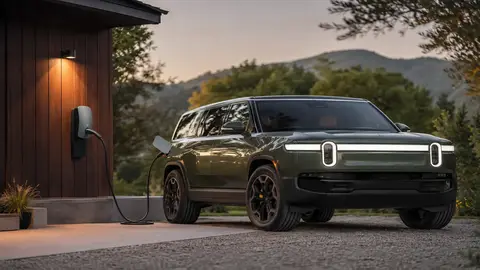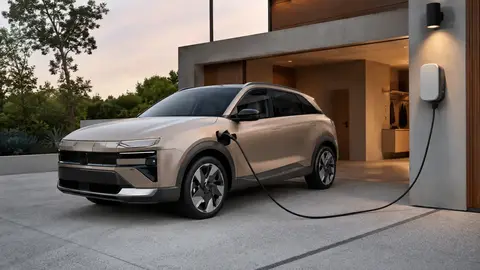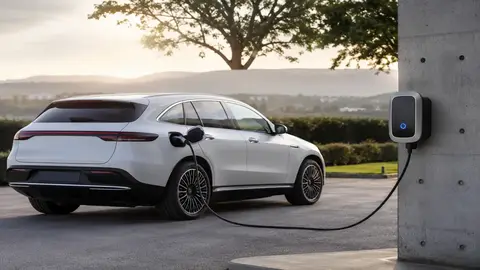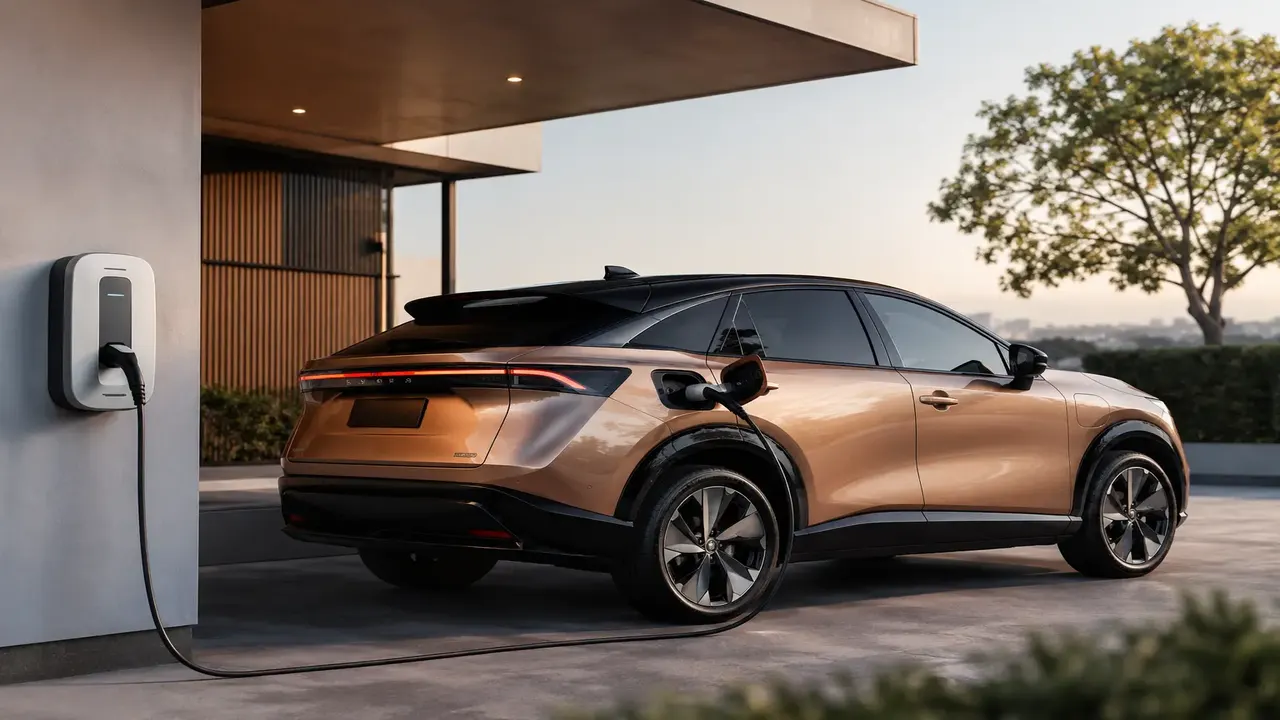
A PHEV only delivers if you treat it like an electric car most of the time. The biggest mistake by far is not charging it, large 2025 real-world testing found PHEVs in everyday European use emitted on average about five times more CO2 than official figures (roughly 139 g/km versus a claimed 28 g/km), mostly because owners drove on petrol with a flat battery. Other costly errors: relying on petrol for short trips you could do on electricity, paying ~$580 a year more in fuel than expected, ignoring how cold weather and hard acceleration trigger the engine, and skipping the home charger that makes the whole car make sense. Charge daily and a PHEV shines; do not, and it is a heavy, thirsty petrol car.
PHEV mistakes and fixes at a glance
| Mistake | Consequence | Fix |
|---|---|---|
| Not charging the battery | Up to ~5x official CO2; high fuel bills | Charge daily, ideally at home overnight |
| No home charger | Inconvenient charging, low EV use | Fit a wallbox where the car parks |
| Expecting official mpg | ~$580/yr more fuel than claimed | Judge economy on your charging habits |
| Hard driving on electric | Engine fires up early | Drive gently to stay electric longer |
| Ignoring cold weather | Reduced EV range, engine runs more | Precondition; expect lower winter range |
Why PHEV ownership is different
A plug-in hybrid is unique among cars: its efficiency depends less on the machine and more on the owner. Buy an EV and it is clean whether you are diligent or not. Buy a PHEV and treat it carelessly, and it can emit and cost more than a normal hybrid. The technology is sound; the problem is human. Avoiding a handful of ownership mistakes is what separates a genuinely efficient PHEV from an expensive disappointment.
Mistake 1: Not charging it
This is the cardinal sin, and the data is damning. A 2025 Transport & Environment analysis drawing on real-world data from around 800,000 cars found that PHEVs in everyday European use emitted on average about five times more CO2 than official figures suggested, roughly 139 g/km against a claimed 28 g/km. The main reason is simple: many owners rarely plug in, so the car runs on petrol while lugging a heavy, depleted battery pack. A PHEV driven on a flat battery is one of the least efficient cars you can own. Charge it daily and the picture transforms; ignore the plug and you have bought the worst of both worlds.
T&E estimated that PHEV drivers may pay around $580 a year more in fuel than the official figures imply, money lost almost entirely to not charging. A PHEV's economy is not a property of the car; it is a property of your routine.
Mistake 2: Skipping the home charger
Plenty of PHEV owners try to get by on a standard wall socket or occasional public charging. With a small battery, a PHEV charges quickly, often a few hours on a home wallbox, so a dedicated charger where the car sleeps is what makes daily electric driving effortless. Without it, charging becomes a chore and the battery stays empty. If you cannot install a home or workplace charger, be honest about whether a PHEV will actually save you anything; a self-charging full hybrid may suit you better.
Mistake 3: Expecting the official mpg
PHEV official economy figures are produced on a test that assumes a full battery and a specific journey mix, which flatters them enormously. Real economy depends entirely on how much of your driving is electric. If most of your trips fit within the electric range and you charge between them, you will beat almost any petrol car; if you do lots of long motorway miles or never charge, you will see ordinary, or worse, fuel economy. Judge a PHEV by your own driving pattern, not the brochure.
Charged vs uncharged: the difference in practice
| Driving on... | Typical economy | Emissions | When it happens |
|---|---|---|---|
| Full battery (electric) | Excellent; petrol untouched | Zero tailpipe | Short daily trips within EV range |
| Depleted battery (petrol) | Often worse than a normal hybrid | High | Long trips, or never charging |
| Mixed (battery then petrol) | Good if mostly electric | Low-moderate | Commute longer than EV range |
Mistake 4: Driving in a way that wakes the engine
Even with a charged battery, a PHEV will fire up its petrol engine sooner than owners expect under certain conditions:
- Hard acceleration: flooring it for overtakes or quick getaways usually triggers the engine, because the electric motor alone cannot supply peak power.
- High speed: above a model-specific threshold many PHEVs default to the engine.
- Cold weather: a cold cabin and battery make the engine run to provide heat and protect the pack.
- Climbing hills: sustained heavy load brings the engine in.
To maximise electric driving, accelerate gently, use the car's EV mode, and precondition the cabin while plugged in so the engine does not run just to warm you up.
Mistake 5: Ignoring winter range loss
Like all electrified cars, PHEVs lose electric range in the cold, often a meaningful chunk on a freezing morning. Owners who budget their commute around summer range can find the engine cutting in mid-journey in winter. Plan for lower cold-weather range, and use preconditioning (warming the cabin and battery while still plugged in) so you set off with full range and a warm car drawing from the grid rather than the battery.
Mistake 6: Treating maintenance like an EV's
A PHEV still has a full combustion engine, so it needs the oil changes, filters and servicing of a petrol car, plus battery and high-voltage care. Because the engine sometimes sits unused for long stretches, occasional longer runs help keep it healthy and stop fuel going stale. Do not assume part electric means low maintenance; in some respects a PHEV asks for more attention than either a pure petrol car or an EV.
Getting it right: the efficient PHEV owner
- Install a home or workplace charger and plug in every day, ideally overnight on a cheap tariff.
- Start each day on a full battery so short trips are electric and emissions-free.
- Use EV mode and gentle acceleration to keep the engine off as long as possible.
- Precondition the cabin while charging, especially in winter.
- Take the occasional longer drive to exercise the engine and keep it in good health.
- Judge your real economy on your own charging discipline, and if you cannot charge regularly, reconsider whether a PHEV is the right car.
Frequently asked questions
What happens if I never charge my plug-in hybrid?
Do plug-in hybrids really pollute more than claimed?
Why does my PHEV's petrol engine start when the battery is charged?
Do I need a home charger for a plug-in hybrid?
Does a plug-in hybrid need the same servicing as a petrol car?
Sources & further reading
- Transport & Environment - Smoke screen: the growing PHEV emissions scandal
- Autoblog - New Study Says Plug-In Hybrids Are Much Dirtier Than Claimed
- The Drive - Your Plug-In Hybrid Is Polluting More If You Are Not Charging It
Figures, prices and policy details were current at the last-updated date above. Automotive pricing, incentives and regulations change frequently — verify time-sensitive details with the linked primary sources. Read our editorial policy and fact-checking standards.