> 🚗 ROAD TRIP FEATURE. Route research and technical analysis below are complete. Narrative sections marked [narrative] must be written from the actual journey. > > ⚠️ This is a genuinely demanding route with real safety considerations. The guidance below should be treated as essential, not optional.
The hardest EV journey in India
Mumbai to Leh is roughly 2,500–2,700 km depending on route, and it is the most demanding drive in India for any vehicle — let alone an electric one.
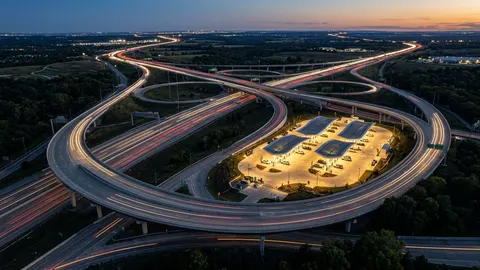
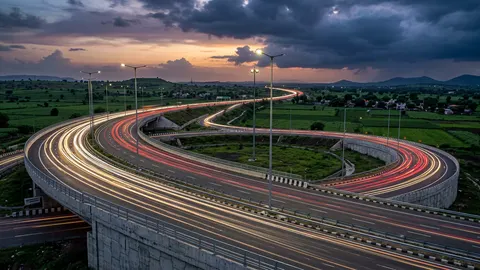
It combines everything that makes Indian driving hard: enormous distance, extreme altitude gain, temperature swings from coastal humidity to high-desert cold, road surfaces ranging from expressway to broken mountain track, and charging infrastructure that goes from adequate to essentially nonexistent.
Leh sits at roughly 3,500 metres, and the passes en route go considerably higher — Baralacha La and Tanglang La both exceed 5,000 metres.
This is a genuine challenge, and the honest starting position is that it requires serious planning rather than optimism.
Why the XEV 9e
Our rated review scored the Mahindra XEV 9e 8/10 — a tech-laden premium electric coupe-SUV on the INGLO platform with strong range.
It's an interesting choice for this trip precisely because of the caveat we flagged: real-road reports describe the rear-seat ride as boat-like on rough surfaces. The Manali–Leh highway is among the roughest drivable roads anywhere. If that criticism is valid, this route will expose it comprehensively — which makes it a genuinely useful test rather than a publicity exercise.
The route
| Stage | Approximate distance | Character | |---|---|---| | Mumbai → Udaipur | ~750 km | expressway, good infrastructure | | Udaipur → Delhi | ~650 km | good roads, adequate charging | | Delhi → Manali | ~530 km | plains to foothills, thinning charging | | Manali → Sarchu | ~220 km | high passes, essentially no charging | | Sarchu → Leh | ~250 km | extreme altitude, no charging | | TOTAL | ~2,400–2,700 km | |
The three genuine problems
1. Charging infrastructure ends. This is the fundamental issue. Delhi to Manali is manageable. Manali to Leh is not, by conventional charging.
The honest options:
- Destination charging at hotels and guesthouses — increasingly available in Manali, Keylong, Sarchu and Leh, but usually slow AC and requiring advance confirmation
- Extended overnight stops to charge, which restructures the itinerary entirely
- Accepting that this stretch requires planning around accommodation with charging rather than around driving distance
Call ahead. Confirm the charger exists, works, and is available. Do not rely on an app listing.
2. Altitude affects everything. Above 4,000 metres:
- Battery performance is affected by extreme cold — expect substantial range reduction
- Cabin heating draws heavily, and you will need it
- Air density affects cooling systems
- Regenerative braking on long descents is a genuine advantage — as our Ghats brake-fade test found, regen handles deceleration without generating brake heat, which on Himalayan descents is a real safety benefit
⚠️ But note the caveat from that same test: regen capacity is reduced at high state of charge. Starting a long descent at 100% means less regen and more friction braking. Plan to descend at 70–80% charge, not full.
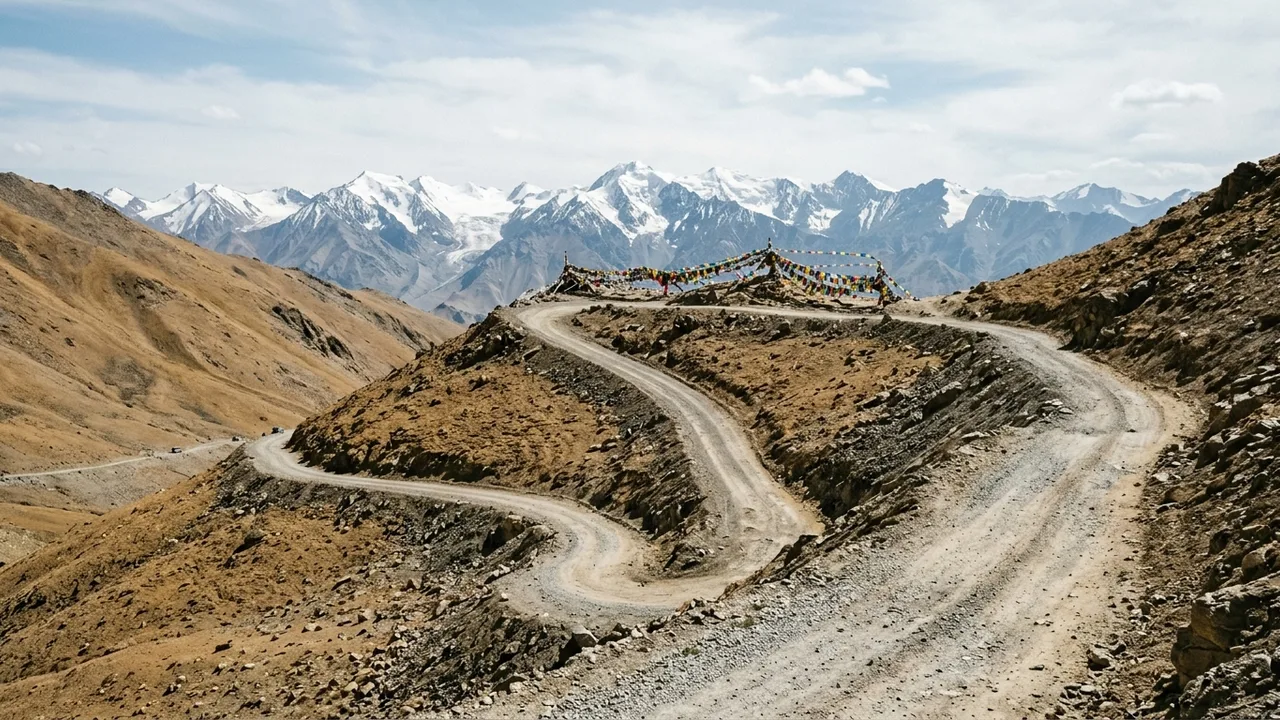
3. The road surface. The Manali–Leh highway includes unsurfaced sections, water crossings and sustained rough terrain. Ground clearance, suspension durability and tyre condition all matter far more than range.
The safety guidance
This section is not optional.
Altitude sickness is the real risk, not the car. Leh is at 3,500 m and the passes exceed 5,000 m. Acclimatise properly — ideally two days in Manali or Leh before crossing high passes. Symptoms are serious and can escalate quickly.
Weather closes the route. The Manali–Leh highway is seasonal, typically open roughly June to September/October. Check current status before departing; conditions change fast.
Carry recovery equipment, spare tyres and supplies. Assistance can be many hours away.
Travel with a companion vehicle if possible, or at minimum inform others of your route and timing.
Mobile coverage is intermittent to absent across substantial stretches.
Fuel-powered support is worth considering for a first attempt.
What we'll log
| Metric | Result | |---|---| | Total distance | [to be logged] | | Range at sea level vs altitude | [to be logged] | | Charging sessions and locations | [to be logged] | | Longest gap between chargers | [to be logged] | | Rear-seat ride assessment on Manali–Leh | [to be logged] | | Regen effectiveness on descents | [to be logged] | | Any faults or failures | [to be logged] |
[narrative] The journey
To be written from the actual trip:
- Leaving Mumbai — monsoon humidity, expressway, the easy part
- The transition — where infrastructure starts thinning and planning starts mattering
- Manali — the last comfortable charge, and the decision to commit
- The passes — altitude, cold, the mountains, and whether the car copes
- The rear seat on the rough stuff — testing our review's central caveat honestly
- Leh — arrival at 3,500 metres
The bottom line
Mumbai to Leh in an EV is genuinely difficult, and pretending otherwise would be irresponsible. Charging infrastructure ends before the hardest section begins, altitude affects range and heating substantially, and the road surface is punishing.
It is possible with serious planning — built around accommodation with confirmed charging rather than around driving distance, with proper acclimatisation, seasonal timing and recovery preparation.
The genuine EV advantage on this route is regenerative braking on the long Himalayan descents — meaningful deceleration without brake heat, which is a real safety benefit. Descend at 70–80% charge, not full, to preserve regen capacity.
And it will comprehensively test the one criticism our review made of this car. We'll report honestly on whether the rear seat is as compromised as feedback suggests.
- Mumbai to Leh is ~2,400–2,700 km combining extreme distance, 3,500 m altitude, 5,000 m+ passes and charging that ends before the hardest section
- Plan the Manali–Leh stretch around accommodation with confirmed charging, not around driving distance — and call ahead rather than trusting app listings
- Regenerative braking is a genuine safety advantage on Himalayan descents — but descend at 70–80% charge, since regen capacity drops when the battery is full
- Safety guidance is essential: acclimatise properly, check seasonal road status, carry recovery equipment, and travel with support if possible
- The route will comprehensively test our review's central caveat about the XEV 9e's rear-seat ride on rough surfaces
Key takeaways
- Mumbai to Leh is ~2,400–2,700 km combining extreme distance, 3,500 m altitude, 5,000 m+ passes and charging that ends before the hardest section
- Plan the Manali–Leh stretch around accommodation with confirmed charging, not around driving distance — and call ahead rather than trusting app listings
- Regenerative braking is a genuine safety advantage on Himalayan descents — but descend at 70–80% charge, since regen capacity drops when the battery is full
- Safety guidance is essential: acclimatise properly, check seasonal road status, carry recovery equipment, and travel with support if possible
- The route will comprehensively test our review's central caveat about the XEV 9e's rear-seat ride on rough surfaces
Sources & further reading
- Indian highway and charging infrastructure data
- True Motion Auto XEV 9e review (Batch 11) and Ghats brake-fade test (Section 6). *Route research complete
- narrative to be written from the actual journey. Verified July 2026.*
Figures, prices and policy details were current at the last-updated date above. Automotive pricing, incentives and regulations change frequently — verify time-sensitive details with the linked primary sources. Read our editorial policy and fact-checking standards.