Lithium-ion EV batteries perform best in a fairly narrow window — roughly 20-35°C (68-95°F) — and the thermal management system's job is to keep the pack there using liquid cooling, sometimes liquid heating, and in many newer EVs a heat pump that also warms the cabin efficiently. Outside that window, charging slows (sometimes dramatically in cold weather), range drops, and long-term degradation accelerates if the battery repeatedly runs hot under hard use or fast charging.
At a glance
| Condition | Effect on the battery |
|---|---|
| Cold (below ~0°C/32°F) | Slower charging, reduced range, higher internal resistance |
| Optimal (~20-35°C/68-95°F) | Best charging speed, efficiency, and long-term battery health |
| Hot (above ~40°C/104°F) repeatedly | Accelerated long-term capacity fade if not well managed |
Why temperature matters this much
Battery chemistry is temperature-sensitive in both directions. Cold slows the chemical reactions that move charge in and out of cells, which is why range and charging speed both drop in winter. Heat speeds up unwanted side reactions that degrade the battery over years of use, which is why sustained high temperatures — from hot climates, aggressive fast-charging habits, or poor cooling — are linked to faster long-term capacity loss. The thermal management system exists to keep the pack away from both extremes as much as possible.
How the system works
- Liquid cooling: coolant circulates through channels or plates in contact with the battery cells, carrying heat away to a radiator, similar in concept to engine cooling but serving a battery instead.
- Liquid heating: many EVs can warm the battery using a resistive heater or by routing waste heat from the motor/inverter through the coolant loop, especially useful before cold-weather fast charging.
- Heat pumps: increasingly common in newer EVs, heat pumps move heat more efficiently than resistive heaters to warm the cabin and/or battery, improving winter range compared with older resistive-heat-only systems.
Preconditioning: the most useful feature owners underuse
Preconditioning means warming (or occasionally cooling) the battery to its ideal temperature before you need peak performance — most commonly before a DC fast-charging stop in cold weather. Many EVs do this automatically when a fast charger is set as a navigation destination; some require manually enabling a preconditioning setting. Skipping it in cold weather can mean noticeably slower charging for the first several minutes at a fast charger.
Cabin preconditioning saves range too
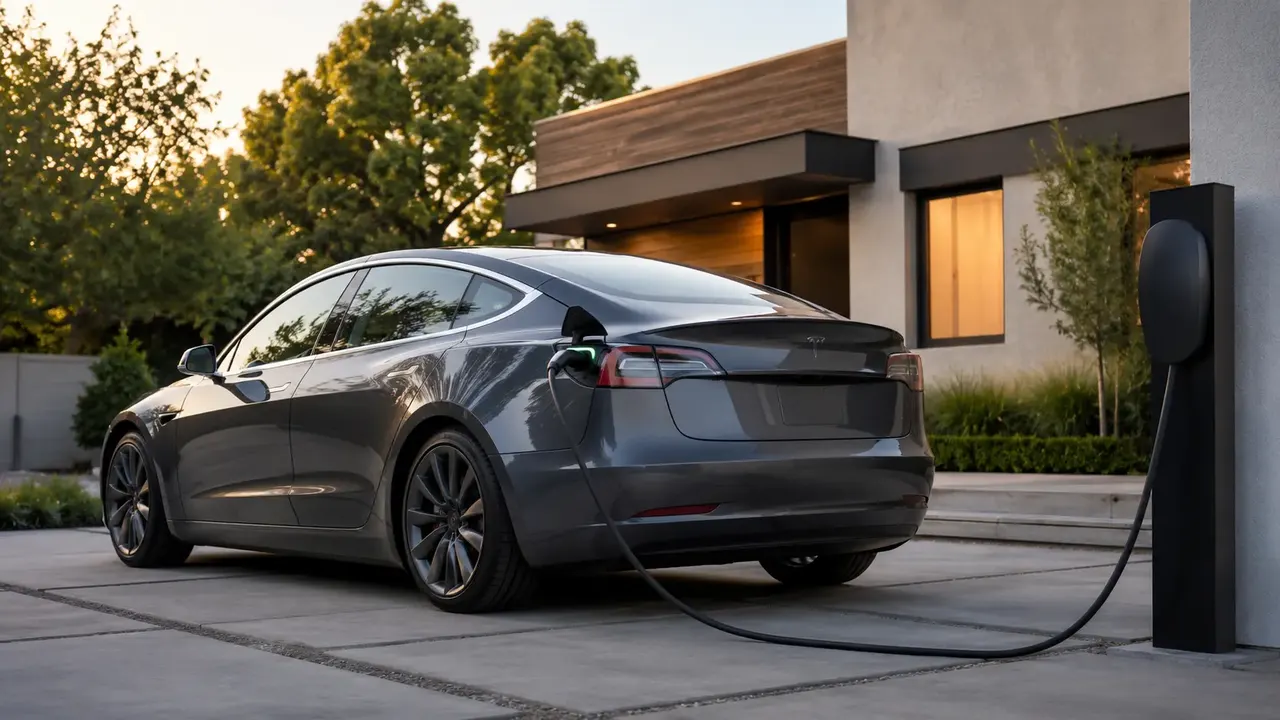
Warming or cooling the cabin while still plugged in — rather than after unplugging — uses grid power instead of battery power, preserving range for the actual drive. Scheduling this through the app for a set departure time is one of the simplest range-saving habits available to EV owners.
What owners can and can't influence
The thermal system itself is not a DIY-serviceable component — it's largely sealed and managed by the battery management system. What owners can influence: using preconditioning consistently, avoiding unnecessary back-to-back DC fast-charging sessions (which build up heat), parking in shade or a garage where possible in extreme climates, and keeping coolant service current per the maintenance schedule.
Occasional DC fast charging is fine and is exactly what these systems are designed for. Habitually fast-charging to 100% multiple times a day, especially in hot weather, is one of the more commonly cited habits linked to faster long-term battery wear — using Level 2 charging for daily needs and saving fast charging for road trips is the more battery-friendly pattern.
Frequently asked questions
What temperature is best for EV batteries?
Why does DC fast charging slow down in cold weather?
What is battery preconditioning and should I use it?
Does hot weather damage EV batteries?
Can I service my EV's thermal management system myself?
Sources & further reading
- U.S. Department of Energy — Alternative Fuels Data Center, EV batteries
- Idaho National Laboratory — EV battery research and thermal behavior (U.S. DOE)
Figures, prices and policy details were current at the last-updated date above. Automotive pricing, incentives and regulations change frequently — verify time-sensitive details with the linked primary sources. Read our editorial policy and fact-checking standards.