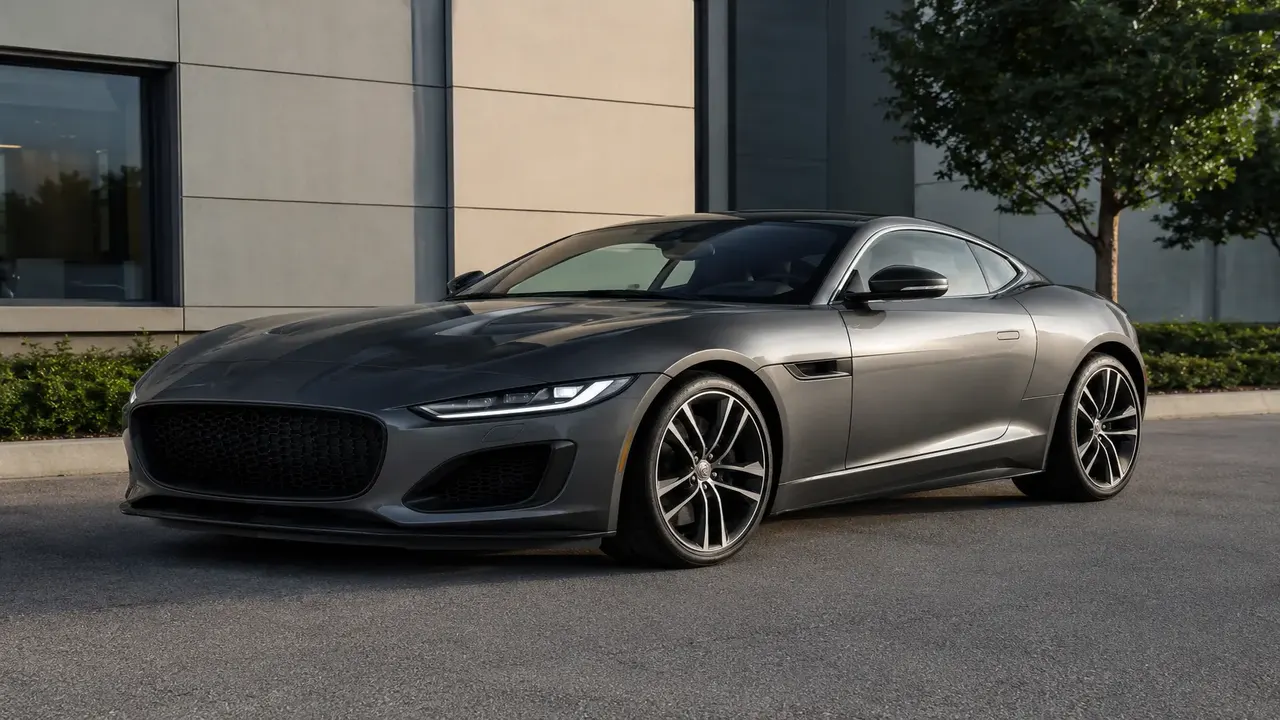
Performance-car electrification is real but uneven: electric motors deliver instant torque that suits drag-strip acceleration, and several automakers have added electric or hybrid-assisted performance variants, but enthusiast demand for combustion sound, weight, and endurance on track has kept gas and hybrid performance models alive alongside them, more so than in mainstream segments. The clearest 2026 pattern is hybrid-assisted performance (electric motors boosting a combustion engine) growing faster than pure-electric performance cars, since it adds power without fully sacrificing the traditional experience enthusiasts pay for.
At a glance
| Signal | What it tells you |
|---|---|
| Fastest-growing performance powertrain | Hybrid-assisted combustion (electric boost + gas engine) |
| Pure-electric performance cars | Growing but still a minority of new performance launches |
| What enthusiasts still value in combustion | Sound, weight balance, and sustained track endurance without charging stops |
| EV performance advantage | Instant torque and strong straight-line acceleration |
| EV performance limitation | Heat management and range fall off faster than gas cars during sustained track use |
Why performance cars are electrifying differently than mainstream cars
Instant torque from electric motors makes EVs genuinely quick in a straight line, which automakers have leaned into for headline acceleration figures. But sustained track use exposes EV limitations — battery heat management and range fall off faster under repeated hard driving than a gas car's fuel burns off, and enthusiast buyers often weigh sound and weight distribution as part of the experience, not just lap time.
The hybrid-assisted middle ground
A growing number of new performance launches add electric motors to boost a combustion engine — extra torque off the line, sometimes a short pure-electric range for daily use, while keeping the engine (and its sound and endurance characteristics) for sustained performance driving. This hybrid-assisted approach is currently growing faster than pure-electric performance models.
How to evaluate a performance-car launch
- Check whether headline acceleration figures are 0-60 mph (a strength for EVs) or sustained track lap times (where combustion and hybrid models often still lead)
- Look at curb weight — battery packs add significant mass, which changes handling character even with more power
- Note whether the model is pure electric, hybrid-assisted, or combustion-only — this is often the real story behind a launch, more than styling
- Watch for track-specific caveats in press materials (e.g., "track mode" time limits) which can signal thermal/range limitations under sustained use
Why weight matters more than it used to
A large battery pack can add several hundred kilograms over a comparable combustion drivetrain, which shows up as different braking distances, tire wear, and cornering behavior even when straight-line power is higher. Automakers have responded with lower centers of gravity and wider tracks to offset the added mass, but the resulting driving feel is genuinely different from a lightweight combustion car — neither better nor worse across the board, just a different set of trade-offs enthusiasts should test drive rather than assume from spec sheets alone.
What to watch through 2026-2027
- Whether battery thermal management improves enough to close the sustained-track-use gap with combustion
- How many brands commit to combustion-only halo performance models versus phasing them out
- Whether hybrid-assisted performance becomes the default rather than a transitional step
Some electric performance models have documented power or speed limits after sustained hard driving to manage battery heat. If track use matters to you, look for independent sustained-lap testing, not just headline 0-60 figures.
Frequently asked questions
Are performance cars going electric in 2026?
Are electric performance cars actually faster than gas ones?
Why do some electric performance cars have track-time limits?
Will combustion performance cars disappear?
What's the difference between a hybrid-assisted and pure-electric performance car?
Sources & further reading
Figures, prices and policy details were current at the last-updated date above. Automotive pricing, incentives and regulations change frequently — verify time-sensitive details with the linked primary sources. Read our editorial policy and fact-checking standards.