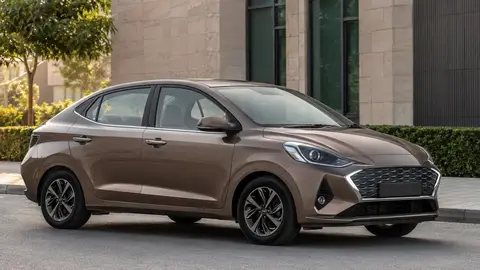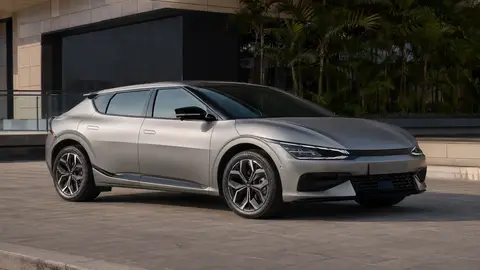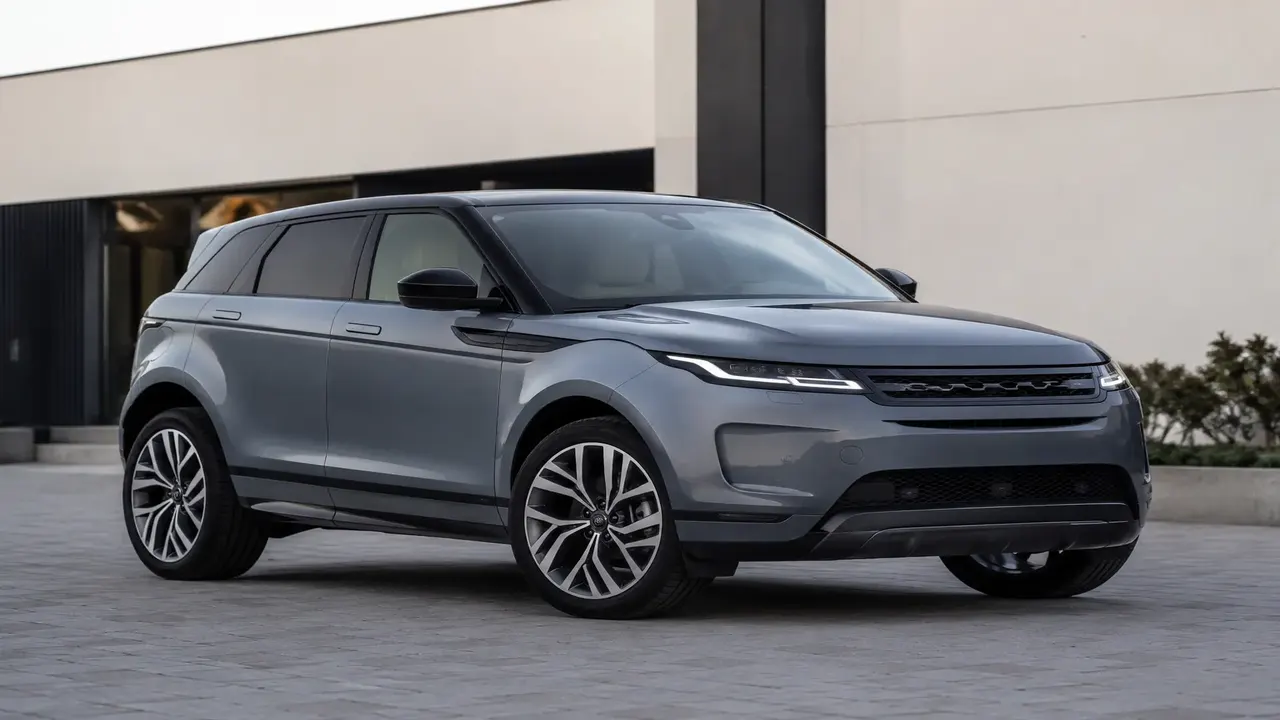
SUVs and crossovers remain the single busiest segment for new-model launches across every major market in 2026, spanning subcompact to full-size, and gas, hybrid, and electric powertrains. Because so many launches happen at once, distinguishing a genuine new generation from a mid-cycle facelift or a simple trim reshuffle takes more than reading the headline — check the platform, powertrain lineup, and safety-tech changes. The clearest cross-segment trend is hybrid and electric options expanding within existing SUV nameplates faster than entirely new SUV nameplates are being created.
At a glance
| Signal | What it tells you |
|---|---|
| Busiest segment for new launches | SUV/crossover, across all sizes and powertrains |
| Most common type of "new" SUV news | Added hybrid/electric trim on an existing nameplate, not a new model |
| Fastest-growing sub-segment | Compact and midsize crossovers |
| Slowest-growing sub-segment | Full-size three-row SUVs, though electrification is expanding here too |
| Typical full redesign cycle | Roughly every 5-7 years |
Why SUVs dominate new-launch activity
SUVs and crossovers now account for the majority of new vehicles sold in most major markets, so it follows that they also account for the majority of new-model announcements. Automakers concentrate redesign and engineering investment where sales volume is, which means SUV launches happen more frequently and get more marketing attention than any other body style.
Most "new SUV" news is a trim addition, not a new model
A large share of SUV headlines in any given year describe an added hybrid or electric trim to an existing nameplate rather than an entirely new model. That's a meaningful development for buyers weighing powertrain options, but it's a different story than a ground-up redesign, and coverage doesn't always make the distinction clear.
How to tell them apart
- New nameplate or new generation number = likely a genuine redesign
- "Now available with hybrid/electric powertrain" on an existing name = a trim addition, not a new model
- Compare exterior dimensions and interior volume to the previous version — real redesigns usually shift these; trim additions don't
- Check the model-year change pattern (see our model-year change tracker) to see if this is an annual update dressed up as bigger news
Where genuine growth is happening
Compact and midsize crossovers continue to see the most genuine new-nameplate activity, as automakers compete hardest in the highest-volume size tier. Full-size three-row SUVs see fewer entirely new nameplates but are catching up on electrification, historically a weak point for the largest SUVs.
Why coverage volume can mislead buyers
Because so many SUV stories run each month, it's easy to assume the segment is changing faster than it actually is. In practice, any single nameplate still only gets a full redesign every 5-7 years; what looks like constant change at the segment level is really dozens of individual models each updating on their own separate cycle, staggered across the calendar.
What to watch through 2026-2027
- Whether three-row electric SUVs close the range and price gap with two-row models
- How many additional nameplates gain hybrid options versus staying gas-only
- Whether compact SUV competition intensifies further as affordable EV entrants arrive
Frequently asked questions
Why does it feel like every new-car headline is about an SUV?
Is a new hybrid or electric trim the same as a new SUV model?
How often are SUVs fully redesigned?
Which SUV size is growing fastest?
Are three-row SUVs behind on electrification?
Sources & further reading
Figures, prices and policy details were current at the last-updated date above. Automotive pricing, incentives and regulations change frequently — verify time-sensitive details with the linked primary sources. Read our editorial policy and fact-checking standards.