The pivot nobody at the podium predicted
For half a decade, the industry's stated destination was fully electric, with hybrids cast as a transitional footnote. The sales charts of 2025–2026 tell a different story: electrified vehicles keep growing, but the hybrid line is doing the heavy lifting. Toyota and Honda post record hybrid mixes, Ford leans into hybrid trucks, and nearly every maker that once announced EV-only dates has quietly re-inserted hybrids and plug-ins into its plan. EVs still grow in absolute terms — but the no-plug hybrid has become America's default electrification on real forecourts.
The four forces doing the pushing
1. The subsidy cliff. The expiry of the federal EV purchase credit at the end of September 2025 pulled demand forward, then left a hole. An EV that carried an effective $7,500 advantage now competes at sticker; hybrids never depended on the check. The pre-deadline EV surge and post-deadline slump are visible in quarterly mix — and manufacturers responded with exactly the discounting and financing subsidies you'd expect.
2. The math a household actually runs. A hybrid asks for a $1,500–$3,000 premium and returns 40–50% fuel savings with zero behavior change: no charger, no apartment problem, no road-trip planning. An EV's total-cost case remains strong for driveway owners with off-peak rates — and weak for the third of households without reliable home charging, for whom public-charging prices erase most of the fuel advantage. The market is sorting honestly along that driveway divide.
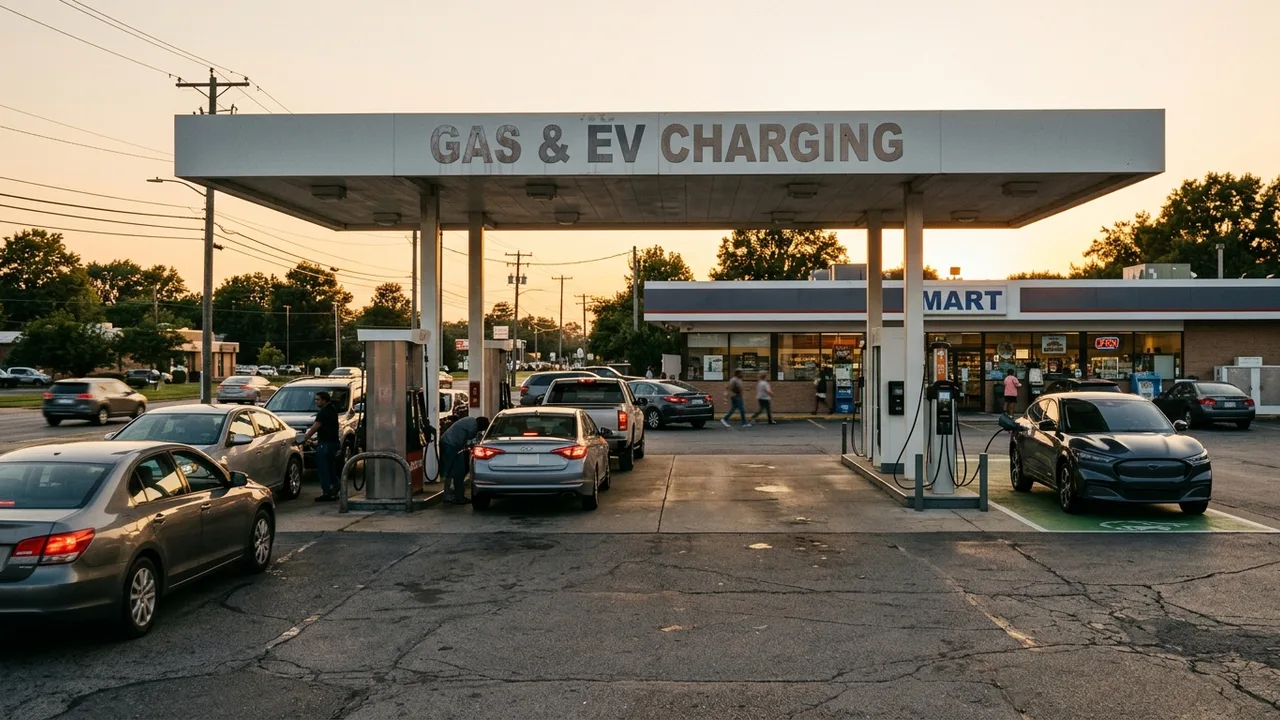
3. Infrastructure trust, not infrastructure count. Chargers keep multiplying, but the buyer sentiment surveys keep saying the same thing: reliability anxiety has replaced range anxiety. A hybrid is a zero-anxiety product. Buyers pay for the absence of uncertainty.
4. Depreciation headlines. Steep used-EV price falls — rental-fleet disposals, incentive whiplash, fast-improving tech — taught buyers that resale risk is real. Hybrids, meanwhile, hold value near the top of the market. Loss aversion is doing the rest.
What it's doing to the showroom
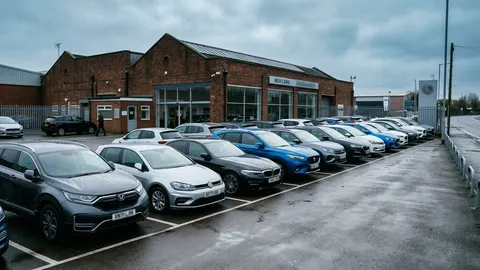
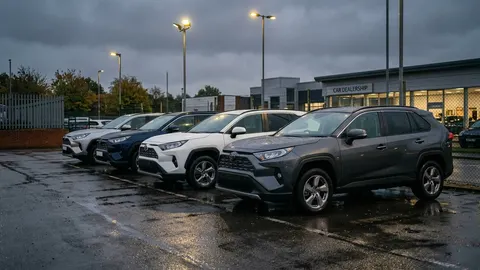
- Hybrid supply is the new constraint. Popular hybrid trims carry waits and thin discounts; some dealers hold sticker on them the way they once did on EVs. The best "deal" often hides on the gas version nobody queued for.
- EVs are where the bargains live. Compliance pressure plus soft demand equals subsidized leases, 0% financing offers and five-figure effective cuts on some models — and the used-EV shelf is arguably the best value in the entire market for anyone with a driveway.
- Product plans split the difference. Expect more extended-range and plug-in hybrids — the industry's each-way bet — through the late 2020s.
How a buyer should play it
- No home charging, mixed driving, keep-it-simple: the hybrid's dominance exists because for you it's correct. Buy the proven systems (Toyota, Honda lead the maturity table) and enjoy fuel bills that no longer sting.
- Driveway, off-peak tariff, predictable commute: don't follow the herd — the herd's retreat is your discount. A leased or used EV in 2026 can be the cheapest per-mile driving America has offered in decades.
- Towing, rural distances, one-car household with road trips: hybrid or plug-in hybrid remains the low-friction answer; run the PHEV numbers only if you'll actually plug in — an uncharged PHEV is just a heavy hybrid.
- Watching resale: hybrids are the conservative store of value; EVs are the falling knife that's already fallen a long way — which is precisely when used buyers profit.
The honest read
This isn't the EV story ending; it's the timeline getting honest. Electrification is winning — through every powertrain that removes gallons, not just the one that removes them all. The hybrid decade the industry skipped in its slide decks is happening anyway, on the sales floor.
The questions buyers actually ask
Will EV prices keep falling — should I wait? Waiting has been rewarded for two years, but the mechanism is maturing: the steepest used-EV declines are behind the market, and new-EV discounting reflects deliberate compliance pricing more than distress. Buy when the deal in front of you beats your running-cost math; timing bottoms is for traders.
Are hybrid batteries a future liability? The industry's oldest hybrid packs have decades of taxi-fleet evidence behind them: shrinking but rarely stranding. Warranties run 8–10 years, refurbishment markets exist, and failure rates sit far below the anxiety they generate. It is the most over-feared, under-occurring cost in modern motoring.
Do PHEVs get the best or worst of both? Both, honestly: plugged in nightly on a short commute they behave like EVs with a safety net; never plugged in, they're heavy hybrids hauling a dormant battery. The determining spec isn't on the car — it's whether your driveway has a socket and your habits use it.
Key takeaways
- Hybrids are 2026's growth engine; EVs grow more slowly post-credit — the mix, not the direction, changed
- The driveway divide is the real segmentation: home charging still makes EV economics excellent
- Hybrid scarcity means thin discounts; EV softness means the market's best deals, new and used
- PHEVs only pay off if you plug in routinely; otherwise buy the simpler full hybrid
- Resale currently favors hybrids strongly — used-EV buyers inherit that depreciation as value
Sources & further reading
- US monthly sales and powertrain-mix reporting, 2025–2026
- federal EV-credit expiry (Sept 2025) and market response
- public/home charging cost comparisons
- used-vehicle value indices
- True Motion Auto market analysis, July 2026
Figures, prices and policy details were current at the last-updated date above. Automotive pricing, incentives and regulations change frequently — verify time-sensitive details against the primary sources listed below. Read our editorial policy and fact-checking standards.