The family flagship, broadened
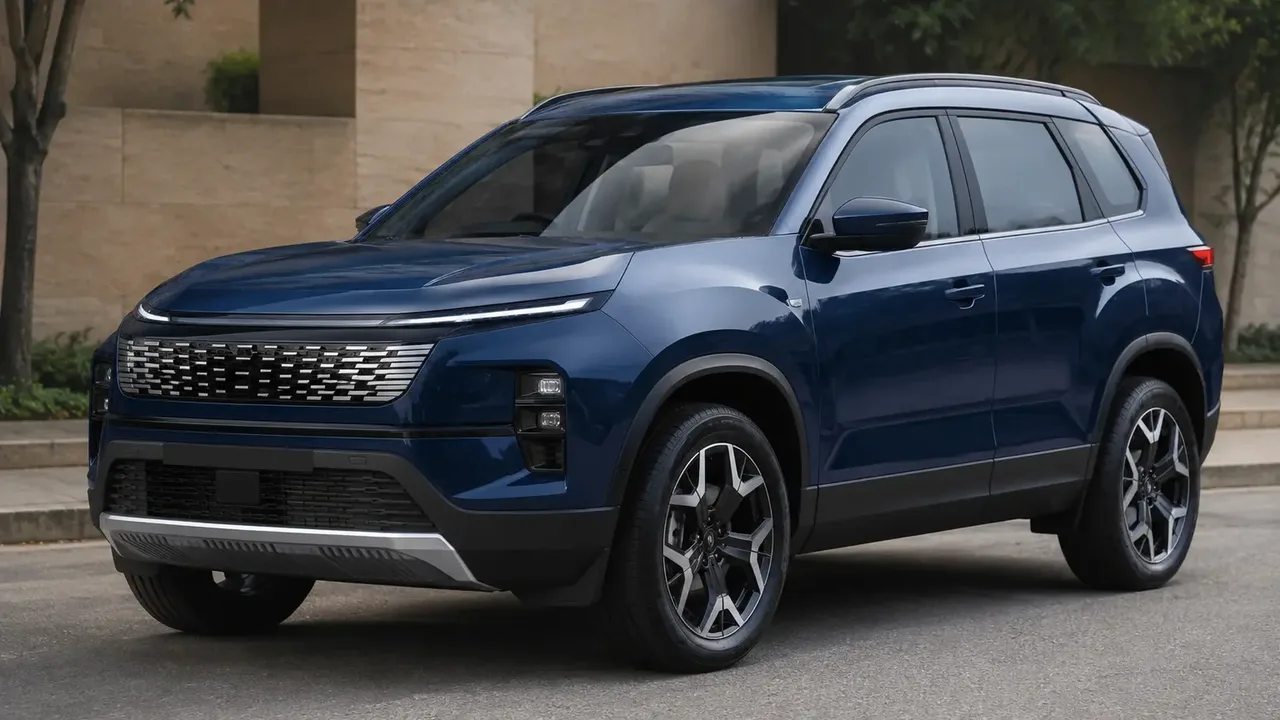
For years the Safari's story was simple: Tata's biggest, plushest SUV, diesel-only, take it or leave it. The 2026 range finally rewrites that. A 1.5-litre TGDi turbo-petrol with 168 bhp and 280 Nm now sits alongside the familiar 2.0-litre Kryotec diesel (170 hp, 350 Nm), and the range stretches from a new entry price of about ₹13.40 lakh to ₹26.76 lakh for the top Accomplished Ultra diesel automatic — a spread wide enough that base and flagship feel like different products.
What the Safari genuinely does best
Ride comfort. On broken tarmac at speed, the Safari's suspension tune remains among the best of any India-made SUV — it flattens surfaces that make the XUV700 fidget. Pair that with the second row: whether you choose the 7-seater's bench or the 6-seater's captain chairs with Boss mode, the middle row is the best seat in the house, and arguably the best in the class.
Safety is the other pillar. The Safari (with its Harrier sibling) holds 5-star ratings in both Global NCAP and Bharat NCAP, and top trims carry seven airbags and Level 2 ADAS with more than twenty functions.
The honest assessment
The Safari name once meant genuine off-road intent; the modern car is front-wheel drive only, with no AWD option at any price. For most family buyers that changes nothing — but it grates against the badge, and Mahindra will happily sell you an AWD XUV700 instead. The third row is best treated as occasional-use for adults, the turning radius makes three-point turns a fact of life, and ADAS is locked to the upper half of the range.
The new petrol matters most for buyers in cities where diesel's long-term prospects feel uncertain — it removes the last structural reason to skip the Safari. But the diesel automatic remains the definitive version: effortless, long-legged and proven.
The questions buyers actually ask
Safari or XUV700? The Mahindra counters with AWD, a stronger petrol and sharper pricing; the Safari answers with ride comfort, second-row luxury and the double 5-star safety file. Families who ride in the back pick the Tata; drivers pick the Mahindra.
Is the new turbo-petrol good enough? On paper, 168 bhp is competitive, and it finally gives petrol-only households a way in. High-mileage users should still take the diesel — the economy gap is real.
Six or seven seats? If the third row is for children and occasional use, the 6-seat captain-chair layout is the more comfortable configuration and holds value well.
Key takeaways
- ₹13.40–26.76 lakh ex-showroom; new 1.5 turbo-petrol joins the 170 hp diesel
- 5-star in both Global NCAP and Bharat NCAP; 7 airbags and L2 ADAS on top trims
- Class-leading ride comfort and second-row space; captain chairs on 6-seaters
- No AWD at any price; third row is occasional-use for adults
- A Safari EV flagship is expected but not confirmed — don't buy on a promise
Sources & further reading
- Tata Motors variant announcements
- Bharat NCAP and Global NCAP results
- CarWale and Team-BHP pricing and specification data, July 2026
Figures, prices and policy details were current at the last-updated date above. Automotive pricing, incentives and regulations change frequently — verify time-sensitive details with the linked primary sources. Read our editorial policy and fact-checking standards.