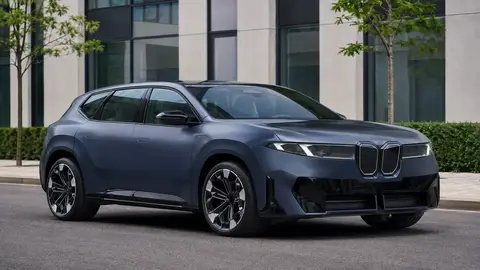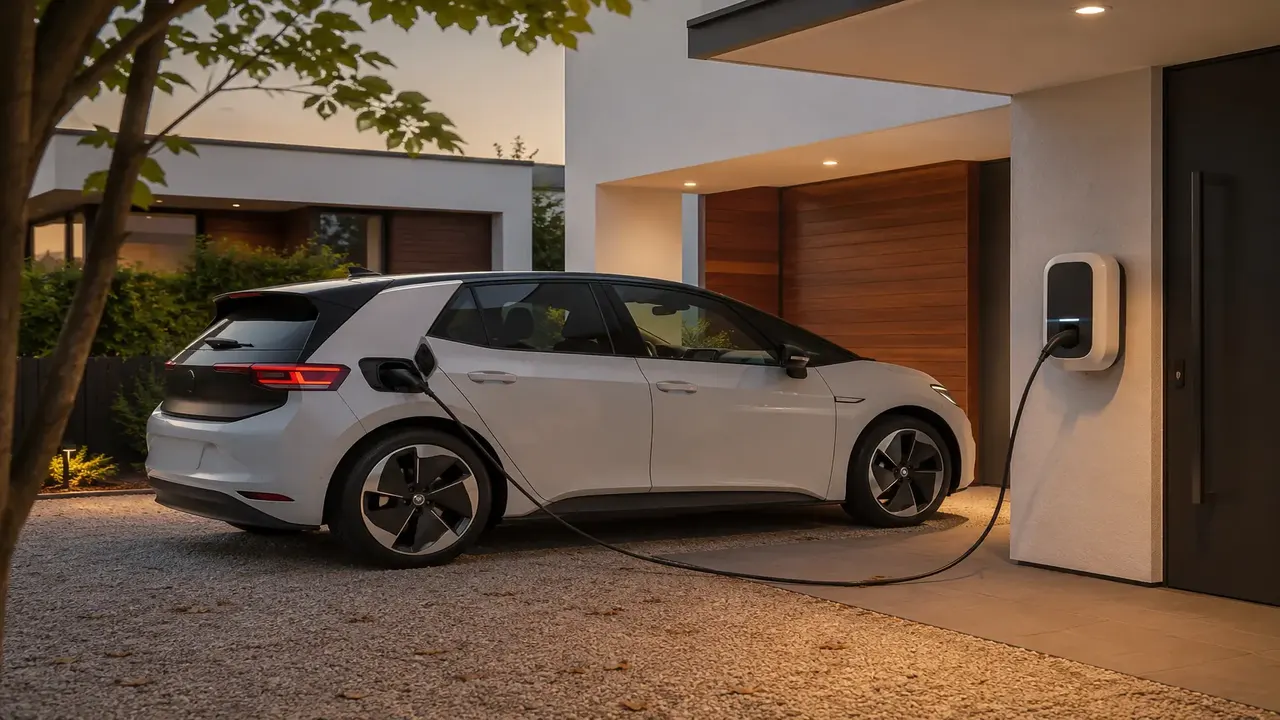
A 12V lead-acid starter battery typically lasts 3-5 years, with voltage below 12.4V at rest signaling it's due for testing and below 12.0V indicating a discharged or failing battery. EV traction batteries degrade far more slowly — most manufacturers warranty 70-75% capacity retention at 8 years/100,000 miles, and published fleet data indicates most EV batteries lose roughly 1.5–2.5% of capacity per year, making a simple annual state-of-health log meaningful over a car's whole ownership period.
At a glance
| Battery type | Healthy reading | Warning sign | Typical lifespan |
|---|---|---|---|
| 12V starter (resting voltage) | 12.6V+ | Below 12.4V | 3-5 years |
| 12V starter (cranking/load test) | Holds above 9.6V under load | Drops below 9.6V | 3-5 years |
| EV traction battery (state of health) | 90%+ of original capacity | Below 80% (often warranty threshold) | 8-15+ years / 100,000-200,000+ miles |
Two very different batteries, two very different logs
A 12V starter battery and an EV's high-voltage traction battery share almost nothing in common except both being called 'batteries' — different chemistry (typically lead-acid vs. lithium-ion), different failure patterns, and completely different monitoring approaches. Tracking them the same way misses what actually matters for each.
12V starter battery: what to log and how often
A resting voltage reading (engine off, at least a few hours after last use) is the simplest useful data point: 12.6V or higher indicates a fully charged, healthy battery; 12.4V suggests roughly 75% charge; below 12.2V the battery is significantly discharged and should be tested under load, since resting voltage alone can't distinguish a merely discharged battery from a genuinely failing one.
| Resting voltage | Approximate charge state |
|---|---|
| 12.6V+ | 100% (healthy) |
| 12.4V | ~75% |
| 12.2V | ~50% |
| 12.0V | ~25% |
| Below 11.9V | Discharged / at risk of failure |
Log this reading roughly every 3-6 months, plus immediately after any slow-crank or dashboard-warning event. A battery that reads fine at rest but fails a load test (voltage sags below 9.6V under simulated starting load) is a battery near end of life even if the resting number looks acceptable — this is why many free 'battery checks' at auto parts stores test load specifically, not just resting voltage.
EV traction battery: state of health, not voltage
EV batteries are monitored by state of health (SOH) — the percentage of original rated capacity the battery can still hold — rather than a simple voltage reading, since the battery management system (BMS) handles cell-level balancing invisibly to the driver. Most manufacturers display an estimated SOH figure in the vehicle's infotainment system or a companion app; if not directly shown, it can often be inferred by comparing the rated range at 100% charge today against the vehicle's original rated range when new.
What a healthy EV degradation curve looks like
Real-world fleet data (from services tracking large numbers of EVs over years) generally shows average capacity loss of roughly 1.5-2.5% per year, front-loaded slightly in the first year or two before settling into a slower, more linear decline. At that rate, an EV would still retain 80-85% of original capacity after 8 years — consistent with most manufacturers' battery warranty thresholds, which typically guarantee 70-75% retention at 8 years/100,000 miles as the floor, not the expectation.
Habits that meaningfully affect degradation for either battery type
- 12V: extended periods of disuse (short trips only, or a car sitting unused for weeks) accelerate sulfation and shorten lifespan; a trickle/maintenance charger helps for infrequently driven vehicles.
- EV: consistently charging to 100% and letting the battery sit at very low charge for extended periods both accelerate degradation slightly; most manufacturers recommend a 20-80% daily charging habit and reserving 100% charges for trips that need the range.
- Both: extreme heat accelerates degradation more than cold does for most chemistries — a car regularly parked in direct sun in a hot climate will typically show faster capacity/health decline than an equivalent car in a temperate climate.
A sudden, sharp drop in EV range or SOH (rather than a gradual decline) can indicate a battery fault rather than normal degradation, and is worth an immediate manufacturer diagnostic check — normal degradation is slow and roughly linear, not a cliff.
Frequently asked questions
How do I check my 12V battery health at home?
What EV battery state of health percentage should worry me?
Does fast charging damage EV batteries faster?
How long do 12V car batteries typically last?
Can I improve my EV battery's long-term health?
Sources & further reading
- U.S. DOE Alternative Fuels Data Center – EV Battery Degradation and Warranty Information
- Battery Council International – Lead-Acid Battery Maintenance Guidance
- U.S. DOT/NHTSA – Vehicle Battery Safety and Maintenance
Figures, prices and policy details were current at the last-updated date above. Automotive pricing, incentives and regulations change frequently — verify time-sensitive details with the linked primary sources. Read our editorial policy and fact-checking standards.