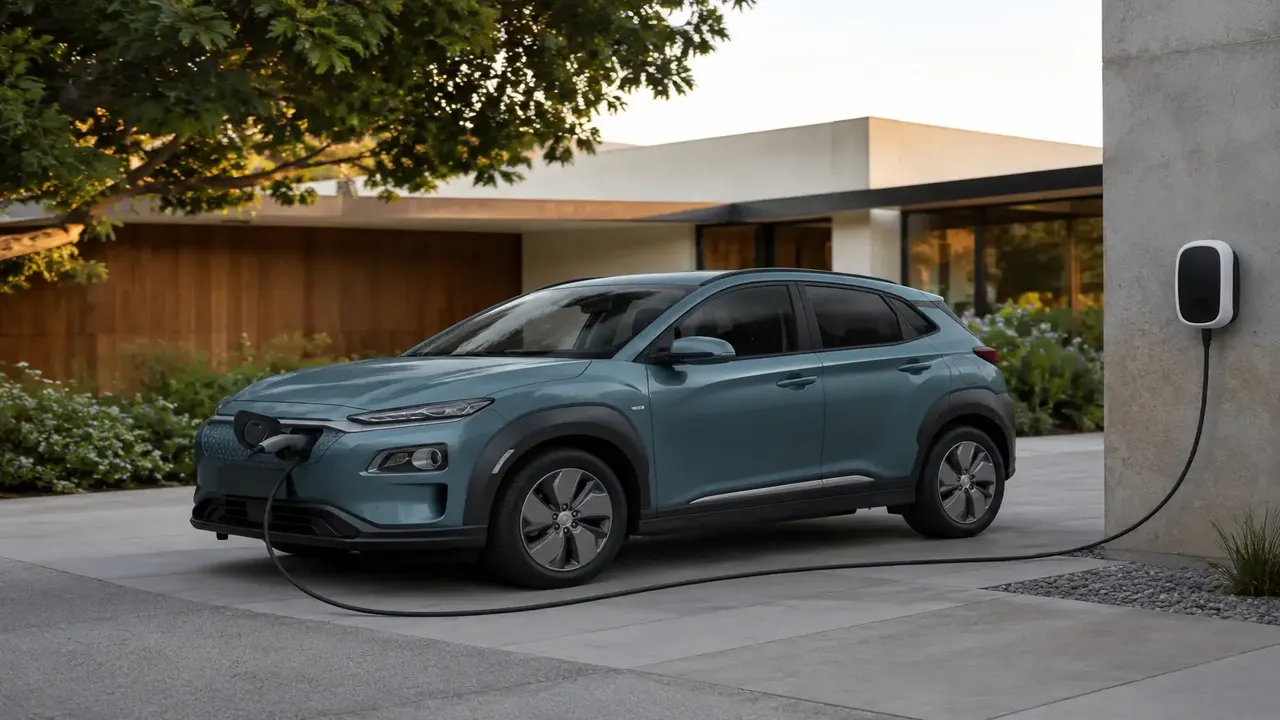
DC fast chargers typically deliver 50-350 kW, adding roughly 10-20 miles of range per minute on a compatible vehicle at peak speed, while Level 2 AC chargers deliver 7-22 kW, adding about 20-30 miles per hour. Pricing models differ by network: per-kWh (most transparent, common in the US/EU where regulation requires it), per-minute (common where per-kWh billing isn't legally standardized), or flat session fees — per-kWh at a fast charger commonly runs $0.35-$0.60/kWh in the US and £0.60-£0.85/kWh in the UK.
At a glance
| Network type | Typical speed | Common pricing model |
|---|---|---|
| Home Level 1/2 | 1.4-11 kW | Home electricity rate |
| Public Level 2 (destination) | 7-22 kW | Per-kWh or per-hour |
| DC fast (Level 3) | 50-150 kW | Per-kWh or per-minute |
| Ultra-fast / hyperchargers | 150-350 kW | Per-kWh, often tiered by power draw |
| Network membership | N/A | Often 10-20% cheaper per session |
The four things a comparison tool needs to show
A useful charging network comparison covers connector compatibility, charging speed, pricing structure, and real-world reliability/coverage — leaving out any one gives a misleading picture. A network can have blazing-fast hardware but poor uptime, or cheap advertised rates that balloon once idle fees and membership tiers are factored in.
Connector types still vary by region
In North America, the industry is consolidating around the NACS (North American Charging Standard, originally Tesla's connector) for new vehicles, while CCS1 remains common on the existing installed base and older models. In Europe and the UK, CCS2 is the standard for fast charging, with Type 2 for AC. In much of Asia (including large parts of India's growing network), GB/T and CCS2 both appear depending on manufacturer. Always confirm connector match before comparing price or speed — a cheaper network is irrelevant if your car can't physically plug in without an adapter.
Speed: advertised vs. real-world
Advertised peak kW (e.g. '350 kW charger') is rarely sustained for the whole session — charging speed tapers sharply once the battery passes roughly 80% state of charge, and is also capped by the vehicle's own maximum acceptance rate, not just the charger's output. A car rated for 150 kW peak won't charge faster on a 350 kW charger; it simply reaches its own ceiling and the extra capacity goes unused (though it may leave headroom if multiple cars share a cabinet).
| Charge from 10% to 80% | 150 kW-capable EV on 150kW charger | 150 kW-capable EV on 50kW charger |
|---|---|---|
| Typical time | 18-25 minutes | 45-60 minutes |
Pricing models compared
- Per-kWh — most transparent, lets you directly compare cost-per-mile across networks; increasingly mandated by regulators (e.g. many US states, EU rules) for public fast chargers.
- Per-minute — used where per-kWh metering/billing isn't legally standardized yet; disadvantages slower-charging vehicles, which pay more for the same energy delivered.
- Flat session fee — simplest but can be a bad deal for a quick top-up and a good deal for a full charge.
- Membership tiers — networks like those run by major charging companies often offer 10-20% lower per-kWh rates for a monthly subscription, worthwhile only if you charge in public frequently.
Reliability and coverage: the metric that's hardest to see upfront
Reliability varies markedly by network and by region, and it is the one attribute you cannot read off a map: a meaningful share of visits to any given charger end in a fault, a blocked bay or a broken payment terminal. The J.D. Power charging satisfaction studies have found failed charging attempts to be a persistent complaint across the public network. Judge a charging app on whether it surfaces crowd-sourced reliability and recent-fault reports rather than a static map pin — and plan a backup station within range for any stop the trip depends on.
Idle fees — a per-minute penalty charged once your car is done charging but still occupying the bay — are increasingly common on fast chargers to discourage overstaying, and can add $0.40-$1.00+ per minute if you don't move your car promptly.
Frequently asked questions
Which charging network is cheapest?
Do I need an adapter to use a different network's charger?
Why do charging speeds slow down above 80%?
Are home chargers cheaper than public networks?
How do I check a charging network's real-world reliability before a trip?
Sources & further reading
- U.S. DOE Alternative Fuels Data Center – EV Charging Station Locator & Data
- Zap-Map (UK) – Public Charging Network Comparison
- J.D. Power – EV Charging Satisfaction Study
Figures, prices and policy details were current at the last-updated date above. Automotive pricing, incentives and regulations change frequently — verify time-sensitive details with the linked primary sources. Read our editorial policy and fact-checking standards.