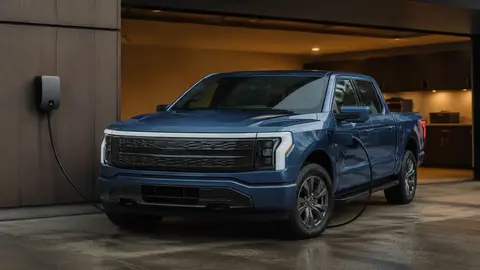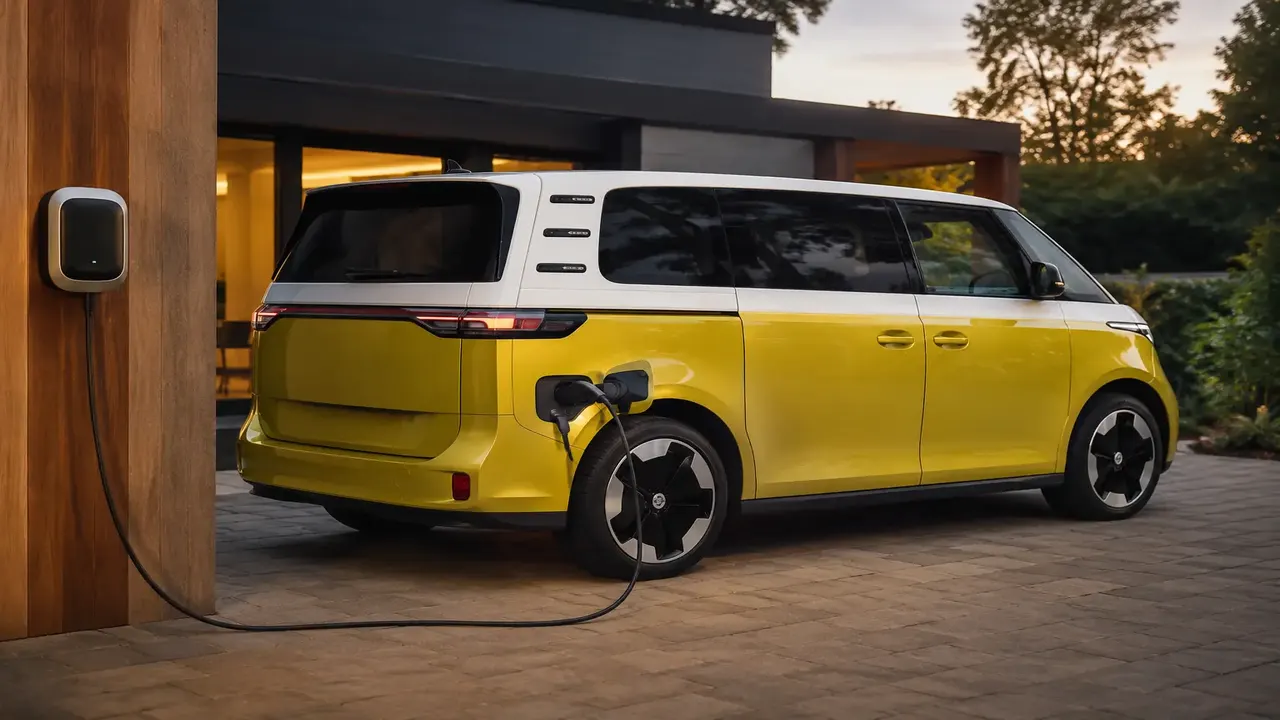
A wall-mounted cable holder (or "cable management hook/organizer") keeps an EV charging cable off the garage floor, reducing trip hazards and wear on the cable jacket. Basic hook-style holders cost $15-$40; motorized or retractable reel systems that wind the cable in automatically run $150-$400. Most Level 2 wallboxes include a basic built-in hook, but many owners upgrade for better ergonomics or to manage a long, heavy 240V cable.
At a glance
| Type | Typical price | Best for |
|---|---|---|
| Basic wall hook/hanger | $15-$40 | Light Level 1/2 cables, simple garages |
| Wrap-around organizer bracket | $25-$60 | Medium cables, tidy loop storage |
| Retractable/motorized reel | $150-$400 | Heavy 240V cables, frequent daily use |
Why cable management matters more than it seems
EV charging cables, especially Level 2 units, are thicker, heavier, and less flexible than a typical extension cord. Left coiled on a garage floor, they collect grit that can work into the connector, get run over by tires, and develop kinks that stress the internal conductors over years of daily use. A wall-mounted holder keeps the cable at a consistent height, reduces strain on the connection point, and is a genuine trip-hazard fix in a shared garage.
Hook and bracket styles
The simplest and cheapest option is a single heavy-duty hook or a curved bracket that the cable loops around; this works fine for most home setups and requires only basic wall anchors into a stud. Multi-hook "J-hook" designs let you coil the cable in a figure-8 pattern, which is gentler on the cable than a single tight loop.
Retractable reel systems
For garages where the charging spot is used daily or by multiple drivers, a retractable reel automatically manages slack as you plug in and unplug, and keeps the connector at a fixed, easy-to-reach height. These cost significantly more and typically need to be rated for the cable's weight and your specific wallbox brand — an underrated reel can bind or sag over time.
What to check before buying
- Weight rating vs. your actual cable weight (a 25 ft, 40A cable is noticeably heavier than a 15 ft, 16A cable).
- Mounting requirements: stud-mount vs. drywall anchors; garages with concrete or masonry walls need different hardware.
- Weather exposure if the charger and holder are outdoors — look for UV-resistant, corrosion-resistant materials.
- Compatibility with your specific wallbox brand for retractable/motorized units.
Common mistakes to avoid
- Mounting into drywall alone without hitting a stud or using rated anchors for a heavy cable.
- Coiling a cable too tightly around a small-diameter hook, which stresses the cable jacket over time.
- Buying a retractable reel not rated for your cable's actual weight, leading to sag or jamming.
- Positioning the holder so the cable has to bend sharply right at the connector — this is the most common failure point on charging cables.
Most charging cable failures start at the connector-to-cable joint from repeated sharp bending — position any holder so the cable hangs with a gentle curve, not a tight kink, near the plug.
Frequently asked questions
Do I really need a wall-mounted cable holder?
Can I install a cable holder myself?
Will a cable holder work with any EV charger brand?
How much weight can a typical charging cable holder support?
Sources & further reading
- U.S. Department of Energy — Alternative Fuels Data Center, home charging station guidance
- Electrical Safety Foundation International — cord and cable care
Figures, prices and policy details were current at the last-updated date above. Automotive pricing, incentives and regulations change frequently — verify time-sensitive details with the linked primary sources. Read our editorial policy and fact-checking standards.