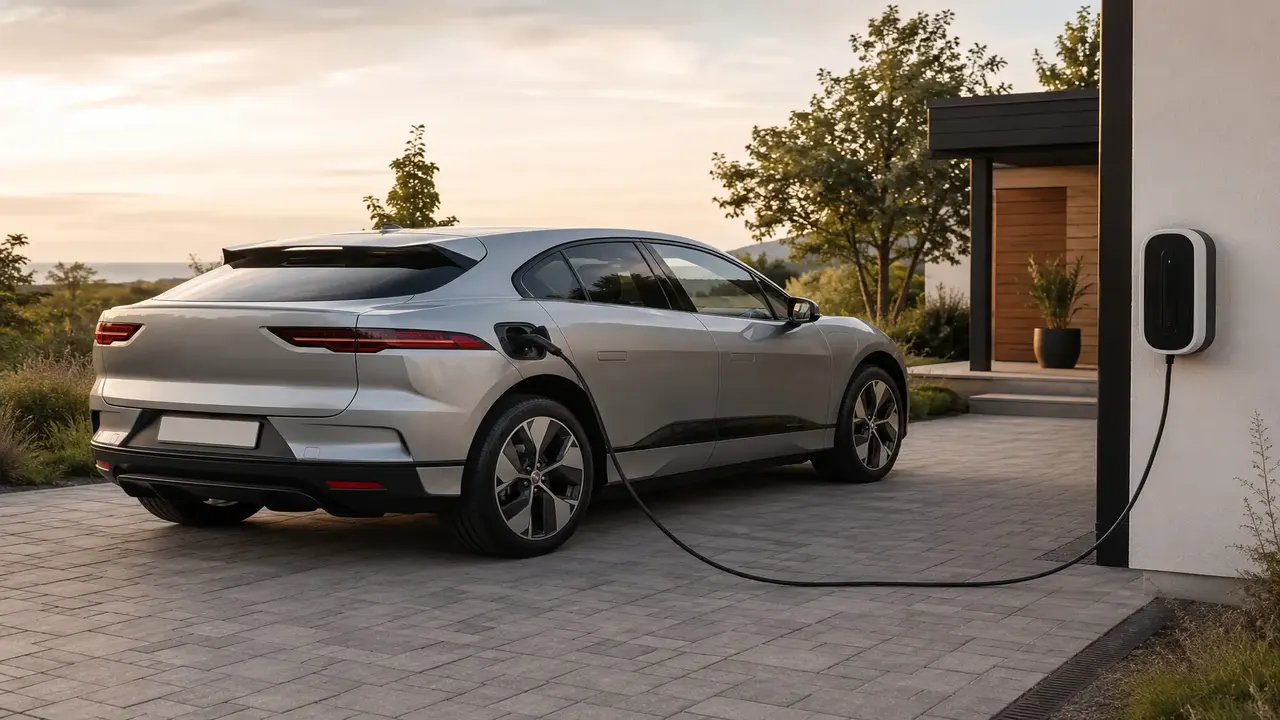
By 2026, most major automakers have adopted the North American Charging Standard (NACS) — Tesla's connector — as the new industry standard, with Tesla's Supercharger network now open to many non-Tesla EVs, either natively or with an adapter. Older EVs built for the CCS connector can still use CCS-equipped networks (Electrify America, EVgo, ChargePoint) or a CCS-to-NACS adapter at compatible Superchargers. DC fast charging typically costs $0.30-$0.55 per kWh (or per-minute in some states), versus $0.15-$0.30 per kWh equivalent at home.
At a glance
| Network | Connector(s) | Typical fast-charge speed |
|---|---|---|
| Tesla Supercharger | NACS (native); increasingly open to non-Tesla EVs | Up to 250 kW on newer stalls |
| Electrify America | CCS, adding NACS stalls | Up to 350 kW on select stalls |
| EVgo | CCS, adding NACS stalls | Up to 350 kW on select stalls |
| ChargePoint | Mostly Level 2; growing DC fast network (CCS/NACS) | Varies by station |
The NACS transition: what actually happened
For years, most non-Tesla EVs in the US used the CCS (Combined Charging System) connector while Tesla used its own proprietary plug. Starting in 2023, nearly every major automaker announced a switch to Tesla's connector, rebranded as the North American Charging Standard (NACS), and by 2026 the majority of new EVs sold in the US ship with a native NACS port or an adapter in the box. Tesla has also opened significant portions of its Supercharger network to non-Tesla vehicles, either through built-in NACS compatibility or a CCS-to-NACS adapter.
What this means if you're buying a new or used EV
- Buying new in 2026: most new EVs now come with a native NACS port, giving direct access to Tesla Superchargers plus adapters for legacy CCS stations where still needed.
- Buying a used EV with a CCS port: you can still charge at Electrify America, EVgo, ChargePoint DC fast stations, and increasingly at Tesla Superchargers using a CCS-to-NACS adapter (check compatibility with your specific model before relying on it for a trip).
- Always confirm compatibility before a long trip — not every Supercharger stall is open to non-Tesla vehicles yet, and adapter compatibility varies by vehicle and charger generation.
Cost per charge — how the math works
DC fast charging (the 20-80% top-ups used on road trips) typically costs $0.30-$0.55 per kWh at public networks, though some states require per-minute billing instead of per-kWh, which changes the math based on your car's charging curve. That's noticeably more than typical home charging cost equivalents (roughly $0.15-$0.30/kWh-equivalent depending on your local electricity rate), which is why most owners do the bulk of their charging at home and reserve public fast charging mainly for travel.
| Charging scenario | Typical cost per 100 miles |
|---|---|
| Home Level 2 charging | $4-$7 |
| Public DC fast charging (member/subscriber rate) | $8-$14 |
| Public DC fast charging (non-member/guest rate) | $10-$18 |
Membership plans can meaningfully cut cost
Most major networks (Tesla, Electrify America, EVgo) offer a monthly subscription that lowers the per-kWh or per-minute rate in exchange for a flat monthly fee — worth it if you fast-charge regularly, not worth it for occasional road-trippers who fast-charge only a few times a year.
Finding and planning around chargers
- Use your vehicle's built-in navigation (most 2024+ EVs route through compatible fast chargers automatically) or apps like PlugShare and A Better Route Planner to check real-time stall availability and user reports.
- Check reviews for reliability — broken or occupied stalls remain a real issue at some third-party networks, less so at Tesla Superchargers, which have generally reported higher uptime.
- Plan charging stops around meal or rest breaks — even a 250-350 kW-capable charger rarely delivers its peak rate for the whole session, since charging speed tapers as the battery fills.
Confirm your car's adapter compatibility with the specific networks along your route. Check PlugShare for real-time stall status, not just charger location. Build in buffer time — fast-charging speed drops significantly above roughly 80% battery.
Frequently asked questions
Can non-Tesla EVs use Tesla Superchargers now?
What is NACS and why did it become the standard?
How much does public EV fast charging cost?
Is it cheaper to charge an EV at home or at a public charger?
Sources & further reading
- US DOE Alternative Fuels Data Center — EV charging station locator and standards
- Tesla — NACS charging standard
Figures, prices and policy details were current at the last-updated date above. Automotive pricing, incentives and regulations change frequently — verify time-sensitive details with the linked primary sources. Read our editorial policy and fact-checking standards.