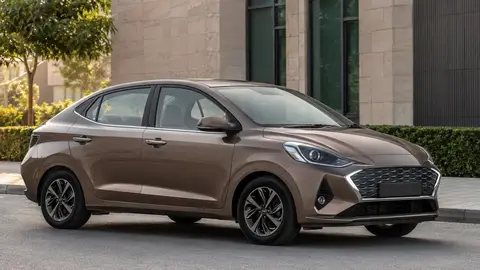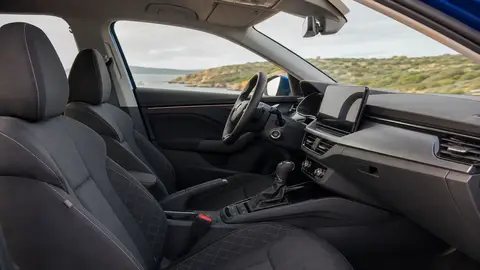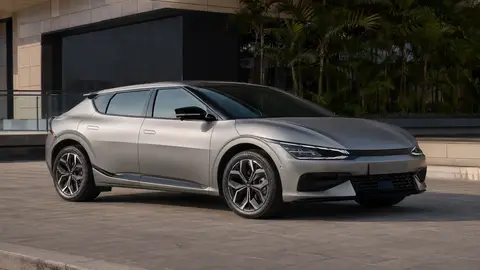
As of mid-2026, roughly a third of new US models offer some form of factory-integrated recording — either a true built-in dashcam (Tesla's Sentry Mode, Genesis, some Hyundai/Kia trims, Subaru's optional system) or a USB/SD-card dashcam mode that uses the existing forward camera. Storage is usually a 32-128GB microSD or USB drive the owner supplies. Full 360-degree parking surveillance while off is still mostly a Tesla/premium-brand feature. If your car lacks it, a quality aftermarket dashcam still costs $60-$250 and remains the more flexible option for older vehicles.
At a glance
| Factor | What to know |
|---|---|
| Built-in adoption | ~30-35% of new US models offer factory recording (2026) |
| Storage type | Owner-supplied microSD/USB, typically 32-128GB |
| Parked/Sentry-style modes | Mostly Tesla, Genesis, select Hyundai/Kia/Subaru trims |
| Aftermarket cost | $60-$250 for a quality dual-channel unit |
| Data privacy | Footage stored locally unless paired with a connected-car app |
Why built-in recording is spreading
Dashcams used to be an aftermarket add-on bought mostly by rideshare drivers and insurance-conscious commuters. That's changing because the hardware is already there: most new cars carry forward-facing cameras for lane-keeping and automatic emergency braking, and side/rear cameras for parking. Repurposing those feeds for continuous recording is mostly a software decision, not new hardware — which is why the feature has spread quickly since around 2022.
Insurance is a second driver. Insurers increasingly accept dashcam footage in claims disputes, and a small but growing number offer modest premium discounts where state rules allow it, so automakers see recording as a value-add they can market.
What 'built-in' actually means
There's a wide range hiding behind the marketing term. On the basic end, some automakers simply let you plug a USB drive into the infotainment system and toggle a 'dashcam mode' that saves loop footage from the existing forward camera — Hyundai, Kia, and several Stellantis brands do this. On the advanced end, Tesla's Sentry Mode and similar systems from Genesis and Polestar use multiple external cameras to record 360 degrees around the car, even while parked, and will alert the owner's phone if they detect impact or tampering.
Common built-in recording tiers
- Front-only loop recording — uses the existing ADAS camera, USB storage, driving only
- Front + rear loop recording — adds the reversing camera feed, still driving-only on most brands
- Parked-mode surveillance — records or arms motion detection while the car is off (Tesla, Genesis, some Kia EV trims)
- Cloud-backed clips — footage or alerts pushed to a companion app, usually tied to a paid connectivity subscription
Where it falls short of a dedicated dashcam
Factory systems generally use camera hardware optimized for computer vision, not video quality — resolution and low-light performance often trail a $150 aftermarket dashcam with a dedicated image sensor. Built-in systems also rarely include a rear-interior camera (useful for rideshare/delivery drivers) and can lose footage if the owner forgets to insert storage or the loop overwrites clips before they're pulled.
Parked-mode recording draws down the 12V battery or, on EVs, a small amount of pack charge over hours. Automakers cap how long it runs unless the car is plugged in — check your owner's manual before relying on it overnight in a lot.
Should you still buy an aftermarket dashcam?
If your car has no factory option, or you want continuous parked-mode coverage without babysitting battery drain, a dedicated dashcam is still the more capable choice — better GPS logging, night vision, and often a hardwire kit that manages battery drain properly. If your car already includes a decent built-in mode, it's a reasonable way to cover the basics for free before spending on extra hardware.
Frequently asked questions
Do all new cars come with a built-in dashcam in 2026?
Can I use my car's cameras as a dashcam without a subscription?
Does a built-in dashcam replace an aftermarket one?
Will dashcam footage hurt my insurance claim?
Does built-in recording drain the car battery when parked?
Sources & further reading
- NHTSA — Vehicle Safety & Technology
- SAE International — Automotive Standards
- Consumer Reports — Car Technology
Figures, prices and policy details were current at the last-updated date above. Automotive pricing, incentives and regulations change frequently — verify time-sensitive details with the linked primary sources. Read our editorial policy and fact-checking standards.