Note: costs mentioned below are given in US dollars as a general point of reference — actual prices vary by country, currency, and local market.
A charger pedestal is a freestanding post — typically 36-42 inches tall in galvanized steel or aluminum — that mounts a Level 2 home charger where there's no garage wall nearby, such as a driveway, carport or shared apartment parking area. Pedestals cost $80-$300 on top of the charger itself, plus electrician labor to run conduit to the panel, which is usually the larger cost. Confirm whether your charger comes with a compatible pedestal kit or requires a universal mount.
At a glance
| Pedestal type | Material | Price band | Best for |
|---|---|---|---|
| Charger-branded pedestal kit | Steel or aluminum | $100-$300 | Matched fit/finish with a specific charger model |
| Universal pedestal mount | Galvanized steel | $80-$200 | Any charger with standard wall-mount bolt pattern |
| Lockable cabinet pedestal | Steel, weatherproof | $200-$400 | Shared/HOA parking, theft or tamper concerns |
When a pedestal is actually necessary
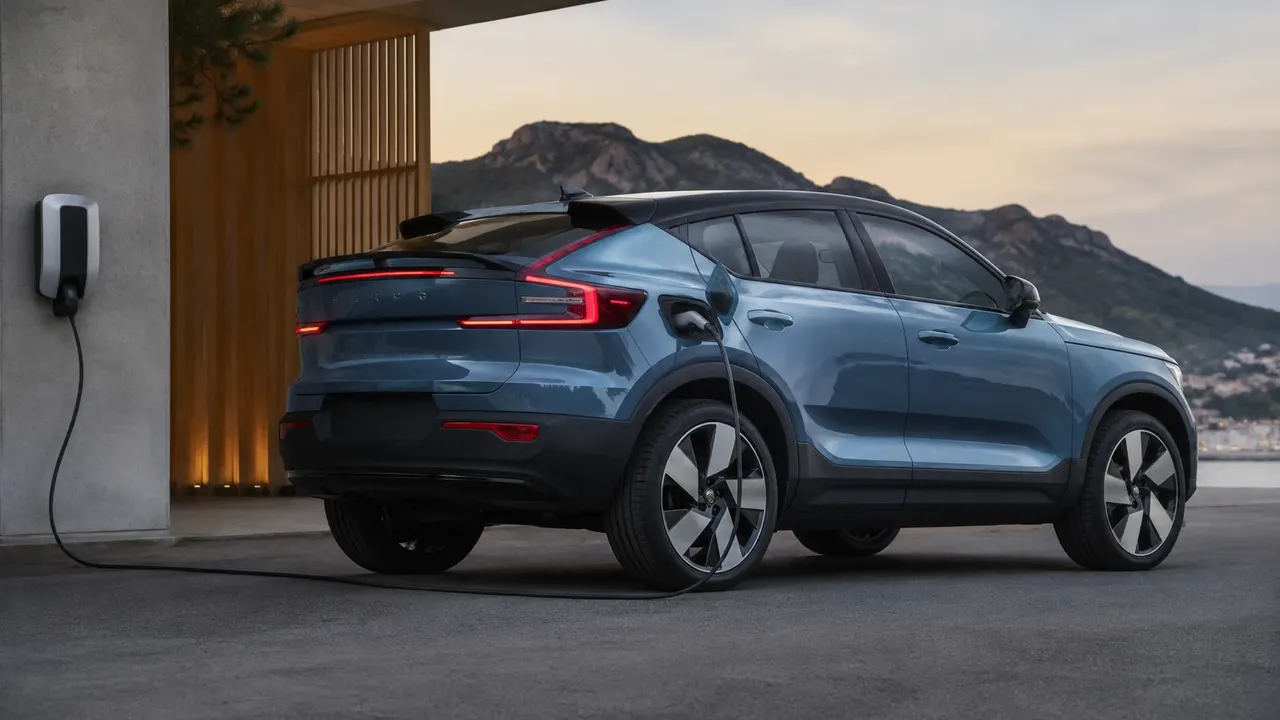
If your charger will mount on a garage or exterior house wall within reach of the parking spot, you likely don't need a pedestal. They become necessary for detached garages with awkward charger positioning, open carports, driveways with no adjacent wall, or shared/HOA parking areas where the charger needs to stand independently near a designated spot.
What goes into the cost
The pedestal itself is a modest part of the total bill — the bigger cost is usually running conduit and wiring from the electrical panel to the pedestal location, which can mean trenching across a driveway or yard. Get a quote for the full job, not just the charger and pedestal hardware, before budgeting.
Universal vs. charger-specific pedestals
Most Level 2 chargers use a common wall-mount bolt pattern, so universal pedestals work with many brands, but charger-specific pedestal kits are designed for a cleaner integrated look and sometimes include matching cable management or a built-in holster. Check your charger's mounting spec sheet before buying either.
Features worth checking
- Weatherproof rating — outdoor pedestals need to handle rain, UV and temperature swings for years.
- Lockable cabinet option — worth it for shared or street parking to deter tampering or cable theft.
- Cable management — built-in hooks or wraps keep the charging cable off the ground between uses.
- Bollard or impact protection — pedestals in driveways or parking areas are vulnerable to being struck by a vehicle; some installs pair a pedestal with a separate protective bollard.
Mistakes to avoid
Placing a pedestal directly in a vehicle's typical turning or backing path without any physical protection is a common and expensive mistake — a low-speed bump can knock it over or damage the wiring below grade. Also confirm local permit requirements before installation; most jurisdictions require an electrical permit and inspection for new circuits feeding an outdoor pedestal.
Undersized conduit is another frequent issue — running conduit sized only for today's charger amperage can mean redoing the trench work later if you upgrade to a higher-power charger. Many electricians recommend sizing conduit generously the first time.
Frequently asked questions
Do I need a pedestal for home EV charging?
Can any charger go on any pedestal?
What does it cost to install a pedestal charger versus a wall-mounted one?
Do pedestal chargers need bollard protection?
Are pedestal-mounted chargers weatherproof?
Sources & further reading
- U.S. Department of Energy — Alternative Fuels Data Center: Home Charging Installation
- National Fire Protection Association — NEC Article 625 (EV Charging Equipment)
Figures, prices and policy details were current at the last-updated date above. Automotive pricing, incentives and regulations change frequently — verify time-sensitive details with the linked primary sources. Read our editorial policy and fact-checking standards.