Note: costs mentioned below are given in US dollars as a general point of reference — actual prices vary by country, currency, and local market.
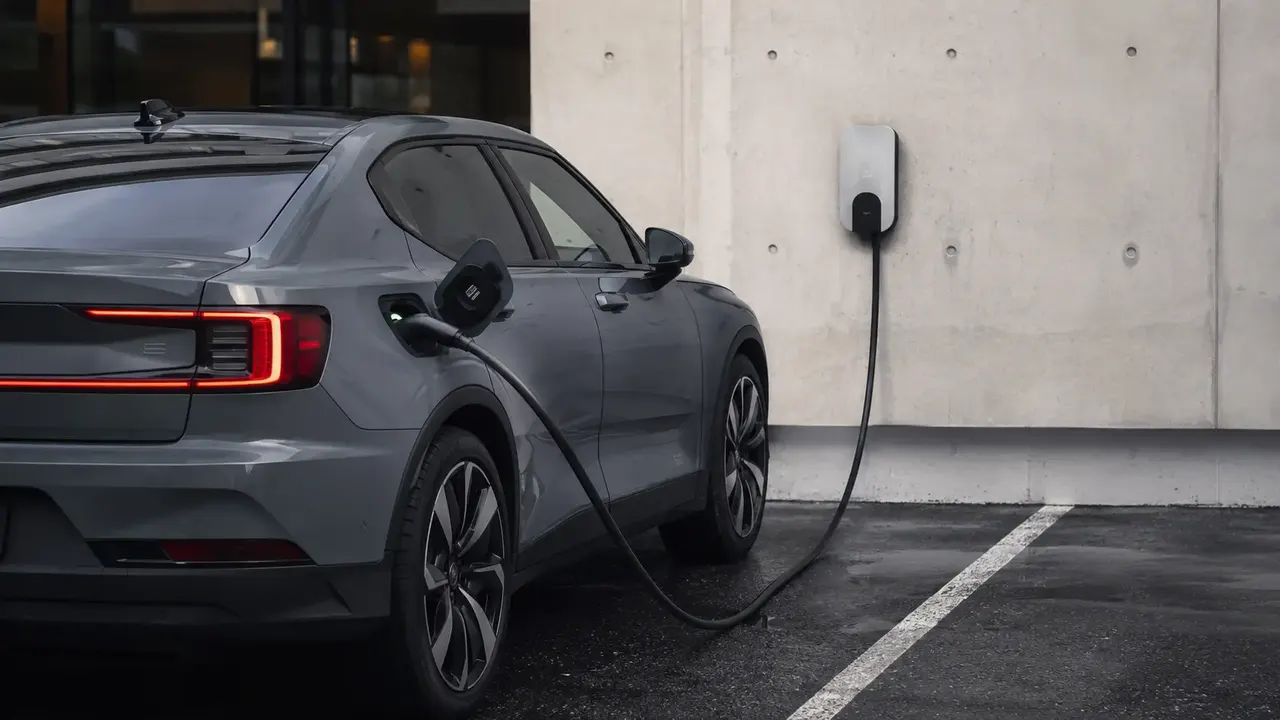
Beyond the charger itself, the accessories that genuinely matter most are a weatherproof outlet cover (if outdoor-installed), cable management (a hook, holster or reel), and a surge protector for the circuit — together typically $40-$150. Nice-to-have extras like illuminated port covers, whole-home energy monitors, and pedestal mounts add convenience but aren't essential for most garage installations. Total realistic accessory budget beyond the charger: $50-$300 depending on your setup.
At a glance
| Accessory | Essential or optional | Price band |
|---|---|---|
| Weatherproof cover (outdoor installs) | Essential if outdoor | $15-$50 |
| Cable hook/organizer | Essential (protects cable investment) | $15-$60 |
| Surge protector for the circuit | Strongly recommended | $25-$80 |
| Charger pedestal (if no wall available) | Situational | $80-$300 |
| Home energy monitor | Optional | $150-$400 |
| Illuminated/upgraded port cover | Optional | $10-$50 |
Start with what protects your investment
A home Level 2 charger and its installation typically represent a meaningful expense, so the accessories worth prioritizing first are the ones that protect that investment: a properly rated weatherproof cover for any outdoor-exposed connection, a surge protector on the circuit to guard against electrical spikes, and a cable organizer to prevent the charging cable itself from premature wear.
The essentials, explained
- Weatherproof outlet/connection cover — required by code in most jurisdictions for outdoor-exposed EV charging connections, and genuinely important for equipment longevity.
- Cable management (hook, holster or reel) — prevents the single most common cause of premature cable wear: tight coiling and ground contact.
- Surge protector — a relatively small cost that guards a several-hundred-dollar charger against damage from grid voltage spikes, particularly valuable in areas with less reliable grid power.
Situational accessories
A charger pedestal only matters if there's no suitable wall near your parking spot — see the dedicated pedestal guide for details. Similarly, upgraded port covers matter more in cold or wet climates where charge port icing or corrosion is a real concern, and less in mild, garage-kept setups.
Genuinely optional upgrades
Home energy monitors add cost-tracking and time-of-use scheduling insight, but many smart chargers already include this through their own app, making a standalone monitor redundant for some owners. Illuminated port covers and decorative cable wraps are pure convenience or aesthetic choices with no real functional necessity.
Building a sensible accessory budget
For a typical garage-mounted charger install with no unusual complications, a realistic accessory budget covering weatherproofing (if needed), cable management and a surge protector runs roughly $50-$150. Add a pedestal, energy monitor, or premium cable organizer only if your specific situation calls for it, rather than buying every available accessory upfront.
Mistakes to avoid
Skipping surge protection to save $50 on a charger that costs several hundred dollars — plus installation — is a common false economy; a single grid voltage spike can damage the charger's internal electronics. Similarly, using an outdoor-rated cover incorrectly or skipping it in outdoor installs isn't just a performance issue, it's typically a code compliance problem.
Frequently asked questions
What accessories are actually essential for a home EV charging setup?
Do I need a surge protector for my EV charger?
What's nice to have but not essential?
How much should I budget for home charger accessories?
Can accessories void my charger's warranty?
Sources & further reading
- U.S. Department of Energy — Alternative Fuels Data Center: Home Charging
- National Fire Protection Association — NEC Article 625 (EV Charging Equipment)
Figures, prices and policy details were current at the last-updated date above. Automotive pricing, incentives and regulations change frequently — verify time-sensitive details with the linked primary sources. Read our editorial policy and fact-checking standards.