The fortnight nobody manages properly
Every used-car sale in India creates a fourteen-day insurance puzzle that most buyers and sellers fumble. The rule, from the erstwhile Indian Motor Tariff (GR-17) as applied under IRDAI's framework: when a vehicle changes ownership, the third-party insurance transfers automatically to the buyer for 14 days from the transfer date. Within that fortnight, the buyer must either have the existing policy formally endorsed into their name or buy fresh cover. After day fourteen, the safety net is gone — and both parties have problems they don't know about.
Why the seller must care (this is the part everyone misses)
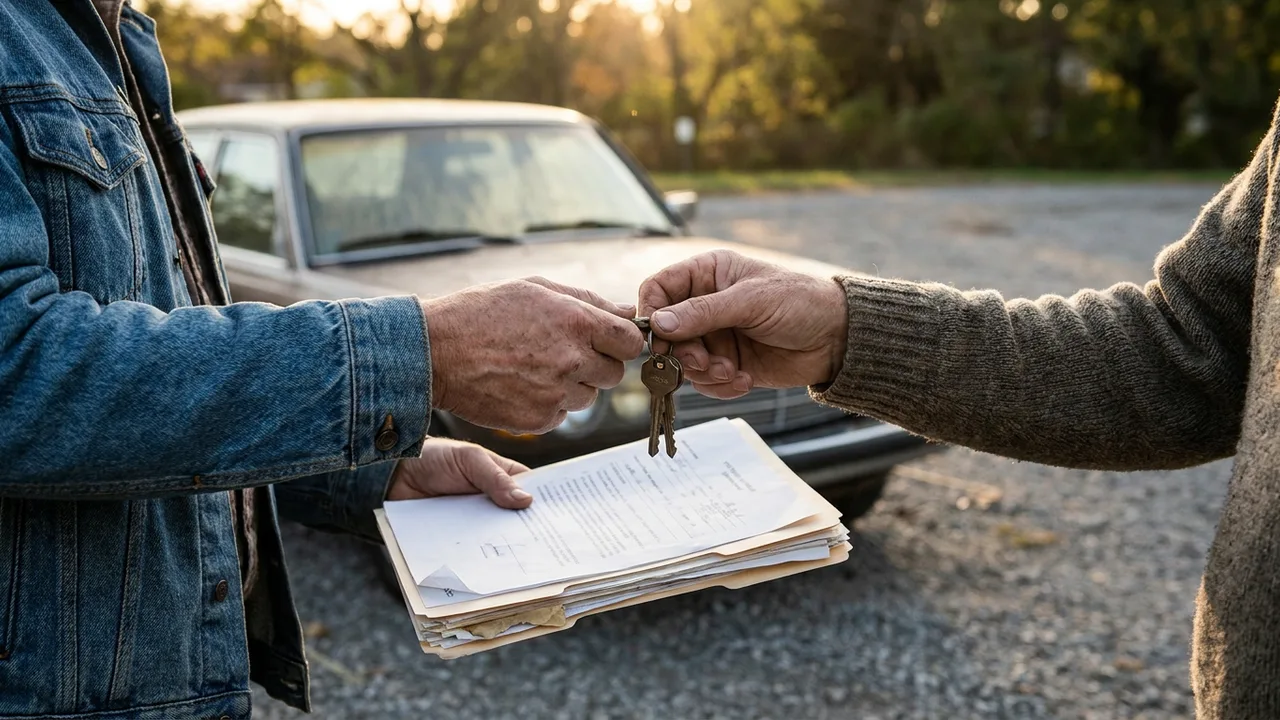
Sellers assume that handing over keys and RC-transfer papers ends their exposure. Two traps say otherwise:
- Liability shadows the registered owner. Until the RC transfer completes and the insurance record moves, accidents, challans and worse trace back to you. Courts have held registered owners liable in third-party cases years after informal sales. The insurance transfer is part of severing yourself from the car — pursue it with the same urgency as the RC.
- Your No Claim Bonus is sitting in that policy. NCB belongs to you, not the car — up to 50% off own-damage premium earned over claim-free years. Before or at sale, ask your insurer to cancel/transfer the policy and issue an NCB retention certificate (or reserve the NCB against your next policy). It stays usable on your next car for three years. Sellers who let the policy ride with the buyer donate their largest insurance discount to a stranger — and buyers can't legally use it anyway (an NCB wrongly carried into the buyer's name voids claims).
Seller's checklist: intimate the insurer of sale in writing, complete RC transfer follow-through (Forms 29/30), collect the NCB certificate, and keep the delivery note/sale agreement with date and odometer — your evidence if challans or claims surface later.
The buyer's fortnight
- Days 1–14: third-party cover rides along automatically; own-damage does not — a crash you cause in week one is on your wallet unless the policy is endorsed to you. Treat the 14 days as legal minimum, not comfort.
- Transfer route: apply to the seller's insurer with the sale documents (Forms 29/30 or new RC), fresh proposal details and the transfer fee (nominal, ~₹50 plus endorsement adjustments); the insurer re-rates own-damage minus the seller's departed NCB — expect the premium to rise accordingly.
- Fresh-policy route (often smarter): buy your own comprehensive policy effective from delivery date, applying your own NCB from any previous car. This sidesteps endorsement queues, inspection friction and inherited policy quirks. If the old policy had claims or the insurer demands inspection, fresh cover is usually faster and cleaner.
- Either way: don't drive uninsured-for-own-damage on the hope nothing happens in the queue at the RTO. The gap between "bought the car" and "insured properly" is where used-car horror stories live.
The paperwork that makes it smooth
Forms 29/30 (signed transfer set), sale agreement/delivery note, seller's policy copy, PUC, both parties' KYC, and — increasingly checked — cleared challans. Insurers may require a vehicle inspection for endorsement or fresh comprehensive cover on older cars; book it same-day as delivery. And confirm the previous policy had no pending claim: an open claim on a transferring policy is a negotiation, not a formality.
The questions buyers and sellers actually ask
The seller's policy runs eight more months — can't I just keep paying it quietly? No: unendorsed policies fail at claim time (wrong insured name = repudiation territory), and the seller's NCB inside it invalidates the pricing. Transfer it or replace it — silence is the one wrong answer.
As a seller, what if the buyer delays the RC transfer for months? Written insurer intimation of sale + sale documents establish your position; several states let sellers file for transfer or report the sale online. Escalate rather than wait — the challans arriving are your warning.
Does the 14-day auto-cover apply to comprehensive policies? Only the third-party element transfers automatically; own-damage requires the endorsement. That asymmetry is the fortnight's hidden trap.
Key takeaways
- Third-party cover auto-transfers for 14 days from ownership change; own-damage protection doesn't
- Buyers: endorse the policy or buy fresh cover within the fortnight — fresh is often cleaner
- Sellers: NCB belongs to you — take a retention certificate (valid 3 years) before the policy goes anywhere
- Sellers stay liable until RC and insurance records genuinely move — push both, keep proof
- Forms 29/30, sale note, KYC, cleared challans and same-day inspection make the whole handover routine
Sources & further reading
- Motor Tariff GR-17 transfer provisions as applied under IRDAI guidelines
- insurer endorsement and NCB-retention procedures
- state RTO transfer processes
- motor claim repudiation case patterns, 2026
Figures, prices and policy details were current at the last-updated date above. Automotive pricing, incentives and regulations change frequently — verify time-sensitive details against the primary sources listed below. Read our editorial policy and fact-checking standards.