Ninety seconds under your car
The catalytic converter is a honeycomb of precious metals — platinum, palladium and rhodium — that scrubs your exhaust. At various points in recent years, rhodium has traded at many times the price of gold, which turned a routine emissions part into the most stolen component in America. A practiced thief with a cordless reciprocating saw needs one to two minutes under a parked car; the victim wakes to a chainsaw roar at startup and a repair bill commonly between $1,000 and $3,500 — more on some hybrids and imports where parts run scarce.
Metal prices have retreated from their peaks, and national theft counts have fallen with them — but "fallen" is relative to an extraordinary spike, and regional waves continue wherever scrap channels stay loose.
Why thieves choose the cars they choose
- Hybrids, especially the Toyota Prius (2004–2009 above all). Hybrid converters live an easy life — the gas engine runs less — so their catalysts stay rich in recoverable metals. Older Prius units are the industry's most-targeted single part.
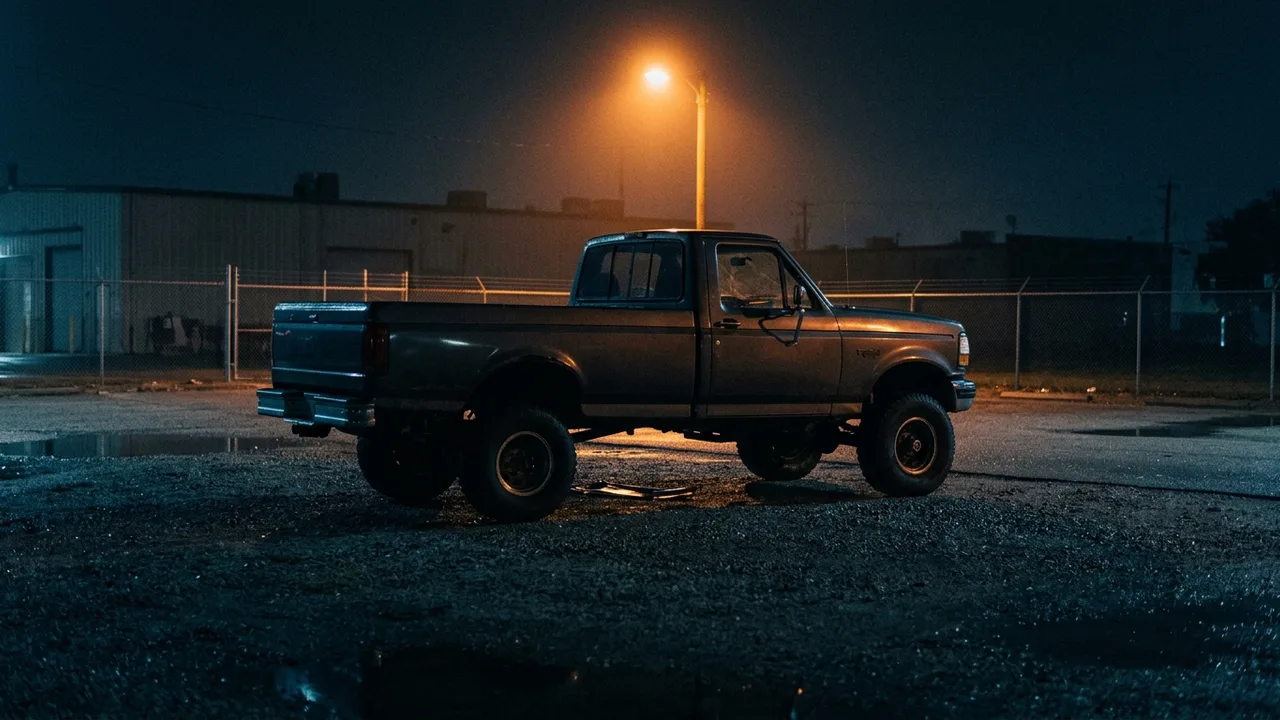
- Trucks and SUVs. Ground clearance means no jack required: slide under, cut, gone. Pickups and vans get hit disproportionately for pure access reasons.
- Fleet and commuter-lot vehicles. Anything parked predictably, overnight, in rows, in the dark. Airport lots and rail-station lots are harvest fields.
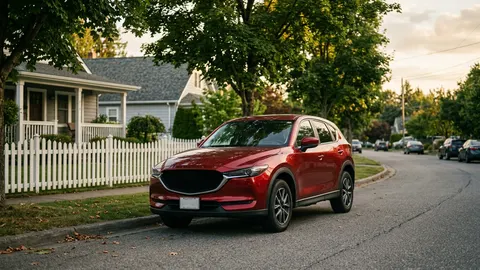
- Certain model families recur on insurer lists year after year — older Priuses, full-size pickups, Honda CR-Vs and Elements, Mitsubishi Outlanders — a mix of metal content and unlucky geometry.
Newer cars are less lucrative (leaner metal loadings) but not immune; thieves optimize for speed, not vintage.
Prevention, ranked by evidence
1. Parking discipline (free). The theft happens where the car sleeps. Garage beats driveway; driveway with motion lighting beats street; busy, lit, camera-covered lots beat cheap dark ones. Position the exhaust side toward a wall or curb where geometry allows. Nothing you can buy beats changing where the saw has to operate.
2. A shield or cage ($150–$500 installed). Aluminum or steel plates and cable cages bolt over the converter, turning a 90-second job into a noisy ten-minute one. Thieves are economists; they move to the next car. Strongest value on the highest-risk vehicles — older Priuses and high-clearance trucks — where shield makers sell model-specific kits.
3. Etching and marking (cheap, often subsidized). Engraving the VIN or a registered code on the converter shell, sometimes with high-heat paint, aims at the scrap-yard end of the chain, where laws increasingly require sellers to document origin. Many police departments run free etching events. Deterrence value is real but secondary — best combined with a physical barrier.
4. Alarms with tilt/vibration sensors ($50–$300). A sensor tuned to jacking or sawing vibration turns a silent theft into a loud one. Aftermarket tilt modules integrate with most alarms; some insurers discount for them.
5. Insurance realism. Converter theft lands under comprehensive coverage — carry it if your car is a target model, and know your deductible against the local going rate for the repair. Some insurers and dealers offer converter-specific anti-theft add-ons; price them against a shield, which prevents rather than reimburses.
If it happens anyway
You'll know instantly — the engine bellows like a straight-piped race car. It's usually drivable for a short, loud distance, but cut pipes and severed oxygen-sensor wiring can add costs the longer you run it. Photograph everything, file the police report (scrap-sale prosecutions rely on them), claim under comprehensive, and fit a shield with the replacement — repeat victimization of the same car is depressingly common, because the thief already knows the geometry.
The questions owners actually ask
Can I drive without a converter while waiting for parts? Physically, briefly, loudly — legally, no. Federal law prohibits operating without required emissions equipment, most states fail inspection outright, and the raw exhaust can cook oxygen sensors and even floor-pan heat shielding. Treat it as a tow-or-limp-to-the-shop situation.
Are aftermarket converters okay? Federally certified aftermarket units cost a fraction of OEM and are legal in most states — but California-emissions vehicles (and states adopting CARB rules) require CARB-approved parts, which cost more and narrow choices. Verify your state before authorizing the cheap quote.
Does insurance always cover it? Comprehensive covers theft of parts, minus your deductible — but repeated claims can raise premiums, and carrying a $1,000 deductible against a $1,400 repair makes the shield-and-etch route the better insurance. Fleet owners: one police report per incident keeps the paper trail clean.
Key takeaways
- Precious-metal content makes converters lucrative; hybrids and high-clearance trucks are prime targets
- Where the car sleeps matters most — lighting, cameras and geometry beat any gadget
- A $150–$500 model-specific shield changes the thief's time economics decisively
- Etching programs attack the scrap-sale end; combine them with physical barriers, not instead of
- Theft pays out under comprehensive coverage only — check yours before you need it
Sources & further reading
- NICB catalytic-converter theft claim data
- precious-metals market pricing history
- state scrap-metal documentation laws
- insurer target-model lists and repair-cost data, 2023–2026
Figures, prices and policy details were current at the last-updated date above. Automotive pricing, incentives and regulations change frequently — verify time-sensitive details against the primary sources listed below. Read our editorial policy and fact-checking standards.