Legal, useful, and mildly regulated
Dash cams sit in a happy legal position in the UK: fully legal to fit and record, admissible in court, actively welcomed by police forces, and discounted by several insurers. The legal edges that remain are about where you mount it, who you record, and what you do with the footage — each carrying real consequences for the unwary.
Mounting: the rule that actually gets enforced
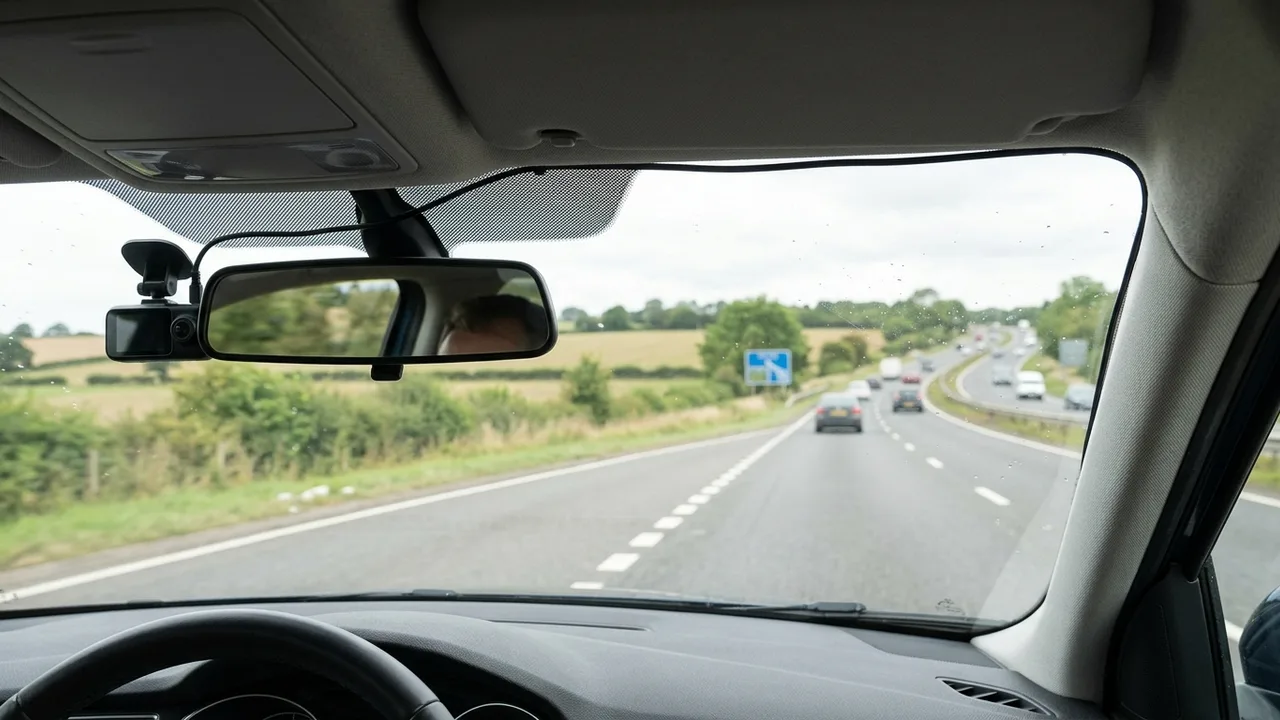
The camera must not obstruct your view. Regulations governing windscreen obstructions mean the device should sit within the windscreen wiper's swept area but outside the driver's primary vision zone — practically, tucked behind or beside the rear-view mirror, cables routed away. A camera (or its dangling wire) in the driver's sightline can bring a fixed penalty for the obstruction, an MOT fail if it encroaches the defined zones — and, after a collision, the delicious irony of your own safety device cited as a contributing obstruction.
Two related traps: touching the camera while driving is treated like handling a phone if it's being operated (set-and-forget before moving off), and screens showing video while driving must not be in the driver's view — disable the live display.
Recording people: the quiet data-protection duty
On the road, recording is lawful — no expectation of privacy governs number plates and driving behaviour in public. The edges:
- Private use is exempt from data-protection registration — but publishing footage (social media shaming channels included) engages privacy law: blur faces and plates of uninvolved parties, and think before uploading; defamation and harassment claims have followed "name and shame" posts.
- In-car audio records passengers. For private cars this is largely a courtesy issue; for anyone carrying passengers commercially (taxi and private-hire drivers), cameras and especially audio face licensing-authority rules — many councils mandate approved systems or prohibit audio. Check your licensing conditions, not forum consensus.
- Employer-installed cams in fleet vehicles require proper workplace data-protection handling — policies, signage, retention limits.
Your footage as evidence: Operation Snap
Every UK force now accepts public dash-cam submissions, most through the National Dash Cam Safety Portal / Operation Snap channels. What makes submissions succeed:
- Submit fast — forces require reports within tight windows because a Notice of Intended Prosecution must reach the offender within 14 days. Same-day submission is the professional standard.
- Provide the raw clip with continuous context before and after the incident — edited or clipped-to-the-moment footage invites challenge.
- Accurate time/date stamps (set the camera's clock; GPS models solve this) and your willingness to provide a statement — you are the witness; the camera is your exhibit.
- Expect outcomes ranging from warning letters and awareness courses to prosecution for the serious — forces publish thousands of actions annually from public footage.
The same rules serve you defensively: after a collision, preserve the file immediately (cameras overwrite in loops), copy it twice, and hand it to your insurer with the claim — early footage routinely flips liability disputes, and it is the definitive answer to crash-for-cash staging.
Choosing and running one, legally-minded
Loop recording with G-sensor lock, parking mode (mind battery-drain rules on leased cars), GPS stamping, and rear cameras — the rear-end and tailgating incidents footage resolves best are behind you. Format the card monthly; a corrupt file discovered post-incident is the classic heartbreak.
The questions drivers actually ask
Can dash-cam footage be used against me? Yes — courts and insurers can require disclosure, and your own camera has convicted its owners. Drive as if recorded, because you are.
Do insurers give discounts? Several offer 10–15% or treat footage as claim-acceleration; the larger financial value is liability protection — one resolved 50/50 dispute outweighs years of discounts.
Is audio recording of my own car illegal? No for private use — but tell regular passengers as a courtesy, and disable it if you drive for hire under conditions restricting it.
Key takeaways
- Dash cams are legal and admissible — mount within the wiper sweep, out of the driver's vision zone
- Don't operate the camera or watch its screen while driving; set everything before moving off
- Publishing footage engages privacy law — blur uninvolved parties; commercial drivers must follow licensing rules on cameras and audio
- Submit incident footage same-day via Operation Snap-style portals — the 14-day NIP clock is unforgiving
- After any collision: lock the file, copy it twice, disclose to your insurer early
Sources & further reading
- Road Vehicles (Construction and Use) Regulations windscreen-obstruction provisions
- ICO guidance on domestic and dash-cam recording
- National Dash Cam Safety Portal force procedures
- insurer dash-cam policy terms, 2026
Figures, prices and policy details were current at the last-updated date above. Automotive pricing, incentives and regulations change frequently — verify time-sensitive details against the primary sources listed below. Read our editorial policy and fact-checking standards.