The number everyone knows, and the ones they don't
Ask any American driver the drunk-driving limit and you'll hear 0.08 — blood-alcohol concentration, grams per deciliter. Mostly right, dangerously incomplete. The real structure is a ladder of limits that varies by age, license type and state, wrapped in laws that can convict below the number and procedures that punish refusal as harshly as failure. This is the sober map of it — with the standing caveat that DUI law is state law, and specifics belong to your statute and, if charged, your attorney.
The ladder of limits
- 0.08 — the standard adult per se limit in 49 states and DC. "Per se" means the number itself is the offense: at or above it, no further proof of impairment is required.
- 0.05 — Utah, since 2018 the strictest state limit, and the number several safety bodies (including the NTSB) recommend nationally. Watch this space; it is the direction of travel.
- 0.04 — commercial drivers operating CMVs, federally set, career-ending consequences attached.
- 0.00–0.02 — drivers under 21, via zero-tolerance laws in every state: any measurable alcohol (some states allow up to 0.02 for measurement error) is an offense on a license that isn't old enough to drink.
- "Aggravated" thresholds — commonly 0.15+ — trigger enhanced penalties in most states: longer suspensions, mandatory ignition interlocks, sometimes mandatory jail.
And below 0.08? Still chargeable. Nearly every state permits an impairment-based DUI on observed driving, field sobriety and officer testimony at lower BACs — the number is a ceiling on your safety, not a floor on prosecution.
What the numbers mean in drinks — approximately, and why "approximately" matters
BAC tracks body weight, sex, time, food and metabolism. The folk arithmetic — roughly one standard drink per hour processed, with 0.08 reached around 4 drinks for a 170-lb man or 3 for a 130-lb woman inside two hours — is exactly that: folklore-grade estimation with error bars wide enough to convict you. Breathalyzer apps and "feeling fine" perform no better. The only reliable arithmetic is structural: if the evening includes drinking and driving as competing activities, pre-book the resolution — designated driver, rideshare, or staying put.
Implied consent: the part that surprises people
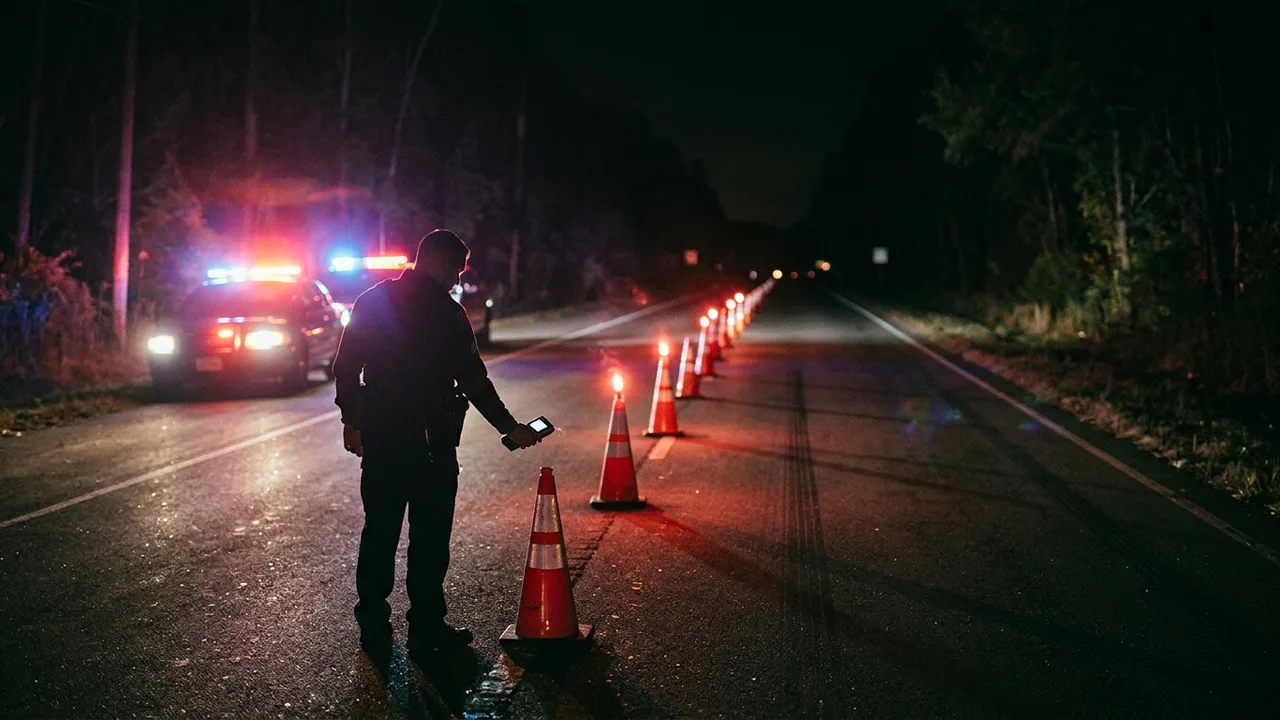
Licensing carries implied consent to chemical testing (breath, blood, urine) after a lawful DUI arrest, in every state. Refusing the post-arrest test triggers automatic administrative license suspension — commonly 6–12 months for a first refusal, often longer than failing would bring — and the refusal itself is admissible or separately punishable in most states. (Roadside preliminary breath tests sit under different rules state to state; the post-arrest evidentiary test is where refusal bites hardest.) The suspension is administrative: it lands even if the criminal case later collapses.
What a first offense actually costs
Typical first-conviction packages: fines and fees that total $1,500–$10,000+ once court costs, classes, interlock rental and reinstatement stack; license suspension measured in months; probation; alcohol education; in a growing number of states, ignition interlock devices even for first offenses; and an insurance re-rating — via the SR-22 mechanism where required — that commonly doubles-to-triples premiums for three to five years. The lifetime arithmetic of one conviction reliably clears five figures. Aggravators (high BAC, minors aboard, crashes) escalate toward mandatory jail and felony territory, as do repeats within lookback windows of 5–10 years.
The questions drivers actually ask
Can I sleep it off in a parked car? Risky: most states criminalize "actual physical control," and keys-in-reach in the driver's seat has convicted many sleepers. Back seat, keys stowed away from the ignition, engine off improves the picture — but state law varies and some convict regardless.
Do field sobriety tests have to be performed? In most states the roadside battery is refusable without the automatic penalties chemical-test refusal carries — but refusal rarely ends the encounter, and state nuance abounds. This is precisely the question for a local attorney, not a general guide.
Cannabis and prescription drugs? Separate DUI theories with their own per se or impairment standards — legality of the substance is no defense to impaired driving anywhere.
Key takeaways
- 0.08 is the adult per se standard everywhere but Utah's 0.05; commercial 0.04; under-21 effectively zero
- You can be charged below the limit on impairment evidence — the number is not a safe harbor
- Refusing the post-arrest chemical test brings automatic suspension, often exceeding the failure penalty
- A first conviction realistically costs five figures across fines, interlock, classes and insurance
- Drink-counting arithmetic is unreliable by design — solve the ride before the first drink
Sources & further reading
- State per se statutes and Utah HB155
- FMCSA commercial limits
- NHTSA zero-tolerance and implied-consent summaries
- NTSB 0.05 recommendation
- state penalty schedules, 2026. This article is general information, not legal advice.
Figures, prices and policy details were current at the last-updated date above. Automotive pricing, incentives and regulations change frequently — verify time-sensitive details with the linked primary sources. Read our editorial policy and fact-checking standards.