The fuel changed under your filler cap
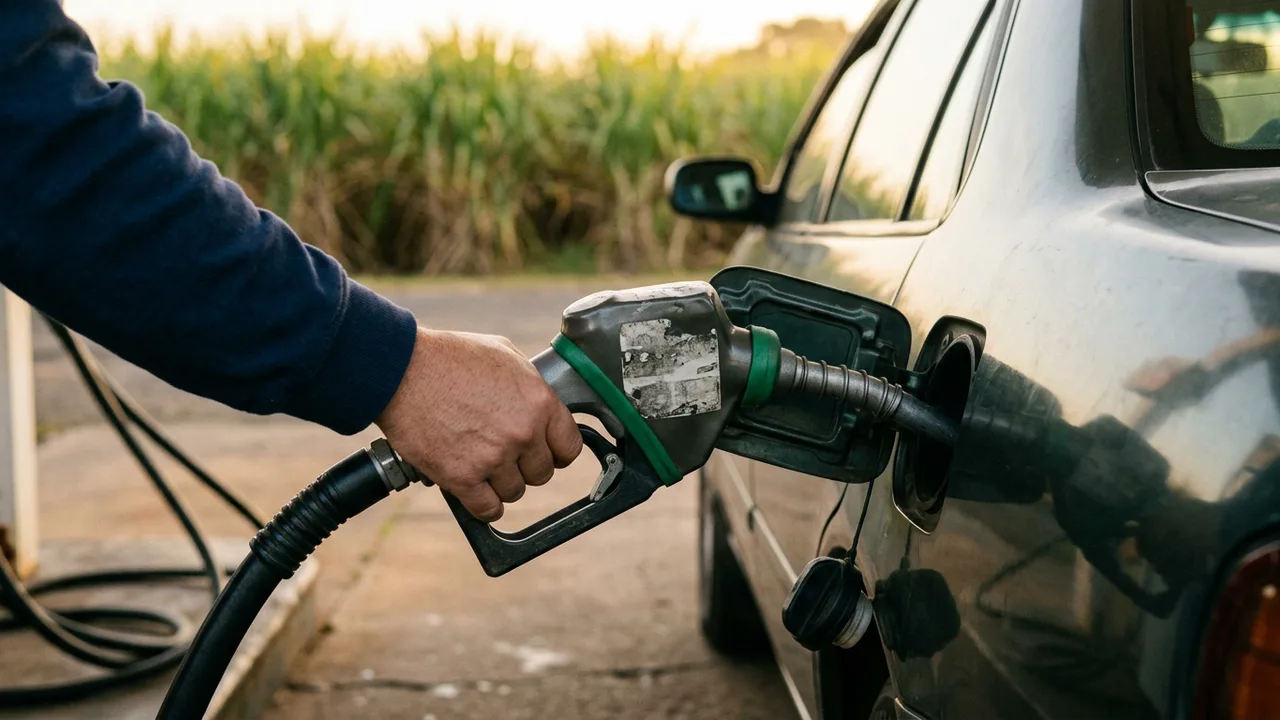
India's ethanol-blending programme hit its flagship target: E20 — petrol with 20% ethanol — is now the standard pump fuel across most of the country, arriving years ahead of the original schedule. The policy logic is real (crude-import savings, farm incomes, lower net CO2), and so are the questions owners keep asking: what does it do to my car?
The honest framework has three tiers. Cars sold since roughly April 2023 are broadly E20-tuned — engines calibrated for the blend. A wider band of vehicles from the late 2010s onward is E20 material-compliant — fuel lines, seals and pumps tolerate the blend, though the engine wasn't optimised for it. Older vehicles, especially pre-2010, were designed around E5/E10 assumptions — and that's where the caution belongs.
What actually changes
Mileage: ethanol carries less energy per litre than petrol, so consumption rises — roughly 1–2% in tuned engines and up to ~6% in merely compliant ones is the range test agencies and manufacturers have indicated; your real-world delta depends on the engine and use. Materials: ethanol is hygroscopic and a mild solvent — in older cars it can degrade rubber lines, corrode carburettor alloys and loosen tank varnish into filters. Cold starts and drivability in compliant-but-untuned engines can feel marginally different; tuned cars mask it entirely.
What E20 does not credibly do: destroy modern engines, void warranties on compliant cars used normally, or change service schedules for the tuned fleet. Fear-forward social posts have outrun the engineering.
What owners should actually do
Check your owner's manual or the manufacturer's E20 compatibility list — makers published them as the rollout advanced. Compliant/tuned owners: drive normally; expect the small mileage tax; keep fuel filters on schedule. Older-car owners: shorten fuel-filter intervals, watch for fuel-line sweating or perishing and replace with ethanol-rated lines, avoid long storage on a full E20 tank (moisture absorption), and where genuinely incompatible vehicles need it, seek the limited E10/premium options while they persist. Classic owners should treat ethanol-rated fuel hoses as routine maintenance now, not restoration exotica.
The questions owners actually ask
Is my 2015 car safe on E20? Most likely material-compliant — verify on the manufacturer list. Expect the efficiency dip, not damage.
Did E20 cut my mileage 15%? The blend accounts for low single digits; a 15% drop is a service issue wearing a fuel excuse.
Will higher blends come? Policy discussion of E25+ and flex-fuel continues; buying an E20-tuned or flex-ready vehicle is the future-proof play.
Key takeaways
- E20 is the pump norm; tuned (2023+) vs material-compliant vs older is the real split
- Mileage penalty: ~1–2% tuned, up to ~6% compliant — modest, real
- Older cars: ethanol-rated lines, shorter filter intervals, no long full-tank storage
- Check the manufacturer's published compatibility list — not WhatsApp
- Blends are headed up, not down; factor it into the next purchase
Sources & further reading
- Government ethanol-blending programme milestones
- manufacturer compatibility guidance
- test-agency efficiency estimates
Figures, prices and policy details were current at the last-updated date above. Automotive pricing, incentives and regulations change frequently — verify time-sensitive details against the primary sources listed below. Read our editorial policy and fact-checking standards.