The biggest rewrite in a generation, quietly missed
In January 2022 the Highway Code gained its most consequential revision in decades — and polling ever since has shown a majority of drivers either unaware of the changes or wrong about what they say. That gap matters: while much of the Code is guidance ("should") rather than law ("MUST"), courts and insurers use it to decide liability, and the new rules re-drew who's at fault in the most common urban collisions.
The hierarchy: rules H1 to H3
H1 — the principle. Road users who can do the greatest harm bear the greatest responsibility to reduce danger. The order runs: pedestrians (with children, older and disabled people at the top), then cyclists and horse riders, then motorcycles, cars, vans, and finally HGVs. This doesn't strip anyone of responsibility — it loads it proportionally to the damage you can do.
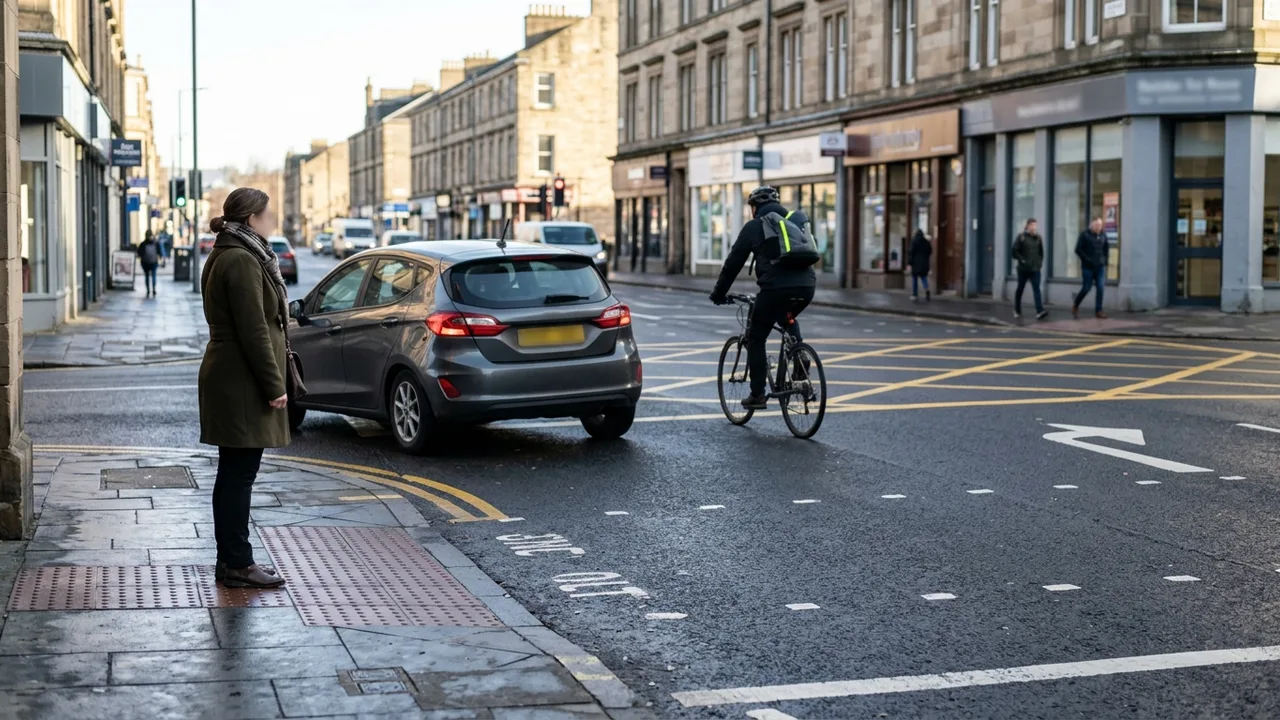
H2 — pedestrians at junctions. The change that decides claims: when you're turning into or out of a side road, pedestrians waiting to cross or already crossing have priority. Pre-2022, priority only attached once they were on the carriageway. Now the person standing at the mouth of the junction outranks your turn. Zebra-adjacent behaviour changed too: you should give way to pedestrians waiting at a zebra, not just those on it.
H3 — cyclists and turning traffic. Drivers turning must not cut across cyclists, horse riders or horse-drawn vehicles going straight ahead — whether they're in a cycle lane, on the carriageway, or passing on your inside. The left-hook collision, long the cyclist's most feared scenario, now carries a presumption against the turning car.
The supporting cast of 2022 changes
- Cyclists positioned centre-lane on quiet roads, in slow traffic and at junctions is now recommended Code guidance — the rider "in your way" is following the book.
- 1.5 metres minimum passing distance for cyclists up to 30 mph, more at speed; give horses 2 metres and pass under 10 mph.
- The Dutch Reach — opening your door with the far hand, forcing a shoulder check — entered the Code as the recommended technique after dooring injuries.
- Cyclists may pass slower traffic on either side, and two-abreast riding is explicitly permitted when safer for the group.
- Charging etiquette entered the Code too: EV drivers should minimise trailing-cable trip hazards.
Guidance vs law — and why "should" still bites
"MUST/MUST NOT" rules cite legislation; breaking them is an offence. "Should" rules aren't directly prosecutable — but the Road Traffic Act allows Code breaches of any kind to establish liability in civil claims and support charges like careless driving. Practically: fail to yield under H2, injure a pedestrian, and the Code paragraph will be quoted at your insurer, your prosecutor, or both. The hierarchy has already been reshaping split-liability outcomes since it landed.
What to actually change in your driving
- Approach every side-road turn scanning the pavement, not just the road — a waiting pedestrian is now your give-way.
- Mirror-check for cyclists before every turn, especially left, and abort the turn rather than cross their line.
- Treat 1.5 metres as a hard floor — if oncoming traffic prevents it, wait behind the rider.
- Practise the far-hand door open until it's automatic, and teach it to passengers.
- Expect and accept centre-lane cyclists — the correct response is patience and a proper pass, not proximity.
The questions drivers actually ask
Does a pedestrian just stepping out get automatic priority everywhere? No — H2 applies at junctions and crossings; the Code still tells pedestrians to cross safely. But once they're crossing a side road you're turning into, priority is theirs.
Can I be fined for breaking the hierarchy rules? Not for the "should" guidance directly — but via careless-driving charges and, more commonly, through liability when something goes wrong. The fine isn't the exposure; the claim is.
Do cyclists have to use cycle lanes now? No — lane use remains optional under the Code; riders may choose the carriageway where they judge it safer.
Key takeaways
- The hierarchy loads responsibility by capacity for harm: pedestrians top, HGVs bottom
- Pedestrians waiting to cross at a junction you're turning into now have priority — the claim-deciding change
- Never turn across a cyclist going straight; give 1.5 m passing room and expect centre-lane riding
- "Should" guidance still decides liability and supports careless-driving charges
- Most drivers haven't read the 2022 rules — knowing them is both safety and legal protection
Sources & further reading
- The Highway Code rules H1–H3 and 2022 amendment schedule
- Department for Transport consultation outcomes
- insurer liability guidance post-2022
- road-safety charity awareness surveys, 2023–2026
Figures, prices and policy details were current at the last-updated date above. Automotive pricing, incentives and regulations change frequently — verify time-sensitive details against the primary sources listed below. Read our editorial policy and fact-checking standards.