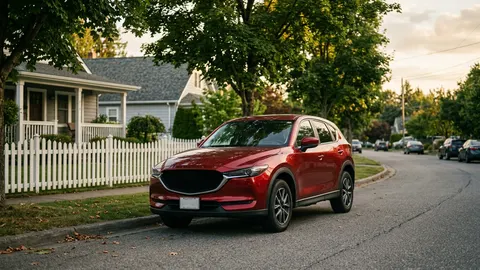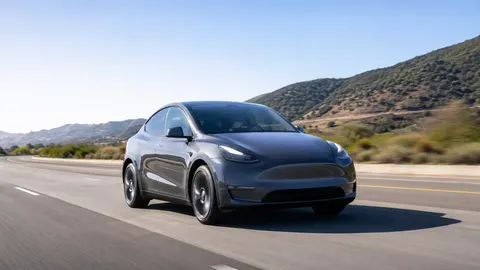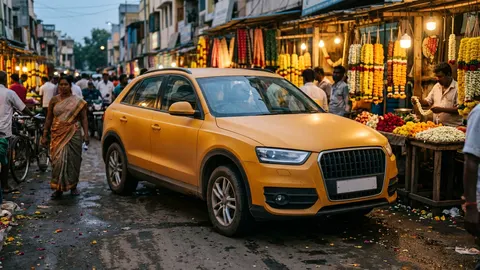
The three routes, honestly
⭐ Private sale. Highest price, most effort, most risk.
Instant offer / online buyer. Convenient, fast, and typically pays less than private.
Trade-in. Most convenient, typically lowest, and simplest.
The spread between them is genuine and can be substantial — but so is the difference in effort, time and exposure to risk. The right answer depends on what your time is worth and how much hassle you'll tolerate.
What each actually involves
PRIVATE SALE
You get: the highest price, because there's no intermediary taking margin.
You do: cleaning and preparation, photography, listing, fielding enquiries, arranging viewings, test drives with strangers, negotiation, and handling payment securely.
The risks: payment fraud, time-wasters, and personal safety during viewings.
⚠️ Payment is where private sellers are most exposed. Verify funds have genuinely cleared before releasing the vehicle — not "sent," not "pending." Cleared. Meeting at a bank is a reasonable precaution.
INSTANT OFFER
You get: speed and certainty. Typically an online valuation, an inspection, then payment.
You give up: margin. The buyer needs to make money reselling it.
⚠️ The common frustration: the initial online figure is frequently revised downward at inspection. Treat the online number as an estimate, not an offer.
TRADE-IN
You get: maximum convenience — one transaction, no separate sale, and in some markets a tax benefit on the difference.
You give up: typically the most margin.
⭐ The critical discipline: negotiate the trade-in and the purchase separately. As our finance coverage argued repeatedly about bundling, combining transactions is how buyers lose track of what they're actually getting. Agree the new car's price first, then discuss the trade.
⭐ What genuinely moves the price
Ordered by return on effort:
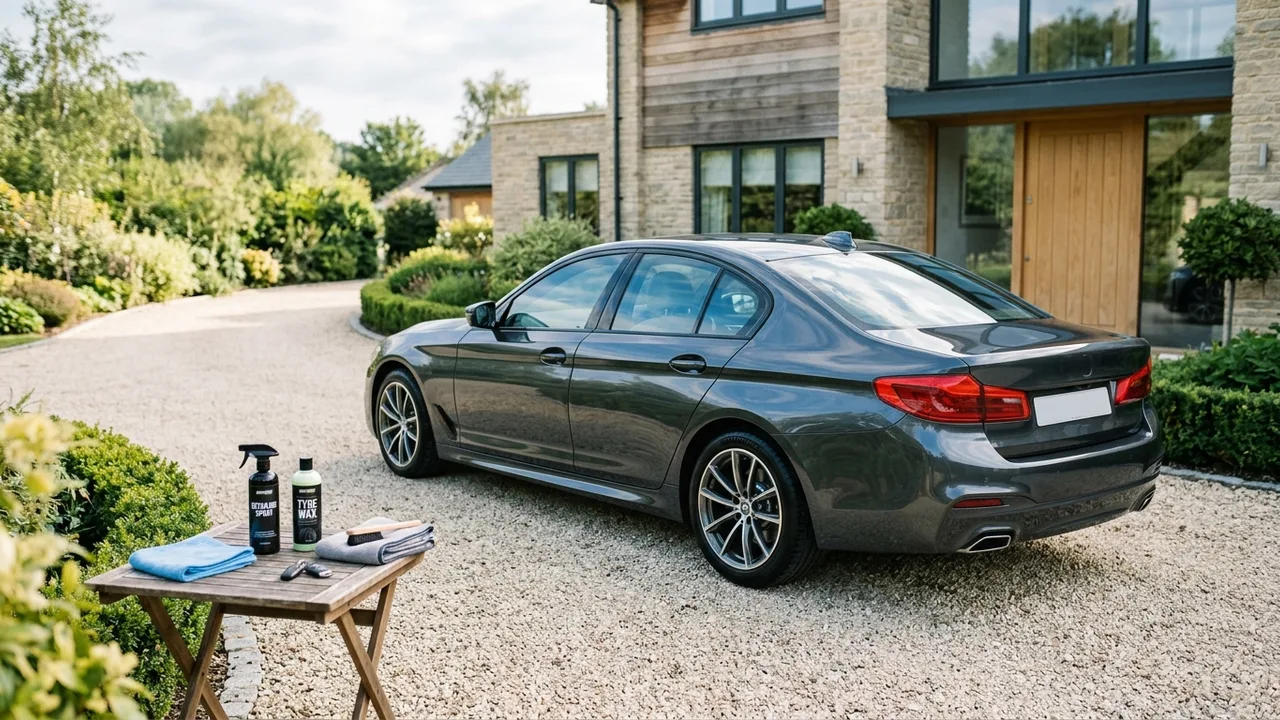
1. Cleaning — the highest-return action available.
A properly cleaned car photographs better, presents better and sells for more. As our detailing coverage established, correct technique matters more than expensive products — and the return here is disproportionate to the cost.
Interior especially. A clean cabin does more for perceived condition than almost anything.
2. ⭐ Complete service history.
As our service and odometer coverage both argued, this is the single most valuable document a used car carries.
It supports the price, verifies the mileage — and, as our odometer investigation found, a mileage sequence that makes sense is the clearest evidence against rollback.
Gather every invoice. If you've lost some, ask the servicing garage for copies.
3. Fix cheap, visible faults. A blown bulb, a worn wiper, a warning light. These cost little and disproportionately damage perceived condition.
⚠️ But don't over-invest. A major repair rarely returns its cost at sale — disclose it and price accordingly instead.
4. Good photographs. Clean car, good light, every angle, honest images of any damage. Poor photography costs real money.
5. Honest, detailed description. Trust sells. Concealing a known fault wastes everyone's time and can have legal consequences.
6. Correct pricing. Research comparable listings — and note that asking prices aren't achieved prices.
Timing and preparation
Sell before major expenses. A car needing tyres, a service or a test soon is worth less — and the buyer will discount by more than the work costs you.
Seasonality is real in some markets: convertibles in spring, four-wheel drive before winter.
Have the paperwork ready: registration document, service history, spare keys, manuals, any warranty documentation, and — as our write-off coverage noted — be prepared to disclose any recorded history honestly.
⭐ Two keys matter more than people expect. Modern keys are expensive to replace, and a missing second key is a genuine deduction.
What buyers will check
Knowing this helps you prepare:
Vehicle history checks — outstanding finance, write-off records, theft markers. ⚠️ Outstanding finance must be settled; you cannot sell a vehicle you don't fully own.
MOT or inspection history, which as our MOT coverage noted is publicly checkable in the UK — and repeated advisories reveal how a car was treated.
Service history and mileage consistency.
Physical condition, including panel gaps and paint consistency that suggest repair.
For EVs: battery health. As our used-EV guidance insists, a health report is non-negotiable for buyers — so having one ready is a genuine selling advantage.
The bottom line
Private sale pays most and costs you the most effort and risk. Instant offers buy convenience with margin. Trade-in is simplest and typically pays least.
⭐ The two things that genuinely move the price are cleaning and a complete service history — both cheap, both disproportionately effective, and both routinely neglected.
Fix small visible faults; don't over-invest in major ones — disclose and price instead.
Negotiate a trade-in separately from the purchase, because bundled transactions are where value gets lost.
⚠️ And if selling privately, verify funds have genuinely cleared before releasing the car. That's the point where private sellers are most exposed, and it's entirely avoidable.
Key takeaways
- Private pays most with the most effort and risk; instant offers buy convenience with margin; trade-in is simplest and typically lowest
- ⭐ Cleaning and a complete service history are the two highest-return actions — both cheap, both routinely neglected
- Fix cheap visible faults; don't over-invest in major repairs — disclose and price accordingly instead
- Negotiate the trade-in separately from the purchase — bundled transactions are where value gets lost
- ⚠️ Verify funds have genuinely CLEARED before releasing the vehicle — not sent, not pending. This is where private sellers are most exposed