The limit: lower than almost anyone assumes
India's legal blood-alcohol limit for private drivers is 30 mg per 100 ml of blood — 0.03% BAC — under Section 185 of the Motor Vehicles Act. For perspective: the US standard is 0.08%, England's 0.08%, most of Europe 0.05%. India's threshold sits at the strict end of the world's enforced limits, and for commercial and transport-licence drivers, the practical standard is zero.
What 30 mg means physically: for many adults, a single large beer or one standard whisky peg can reach or breach it, depending on weight, sex, food and timing. The comfortable Western folklore of "two drinks is fine" is calibrated to limits more than twice as high. In India, the honest planning number is zero.
Section 185: what a conviction costs
- First offence: fine up to ₹10,000, imprisonment up to 6 months, or both.
- Repeat within three years: fine up to ₹15,000, imprisonment up to 2 years, or both.
- Licence consequences: suspension provisions apply alongside; courts and RTOs exercise them increasingly.
- The insurance trap most drivers don't price: drunk driving is a standard exclusion — own-damage claims are declined when the driver was over the limit, and insurers pursue recovery of third-party payouts from the driver. One conviction can convert a crash from an insured event into personal financial ruin.
- If injury or death results, charges escalate beyond the MV Act into the penal code — culpable homicide prosecutions in drunk-driving deaths are now routine in metros.
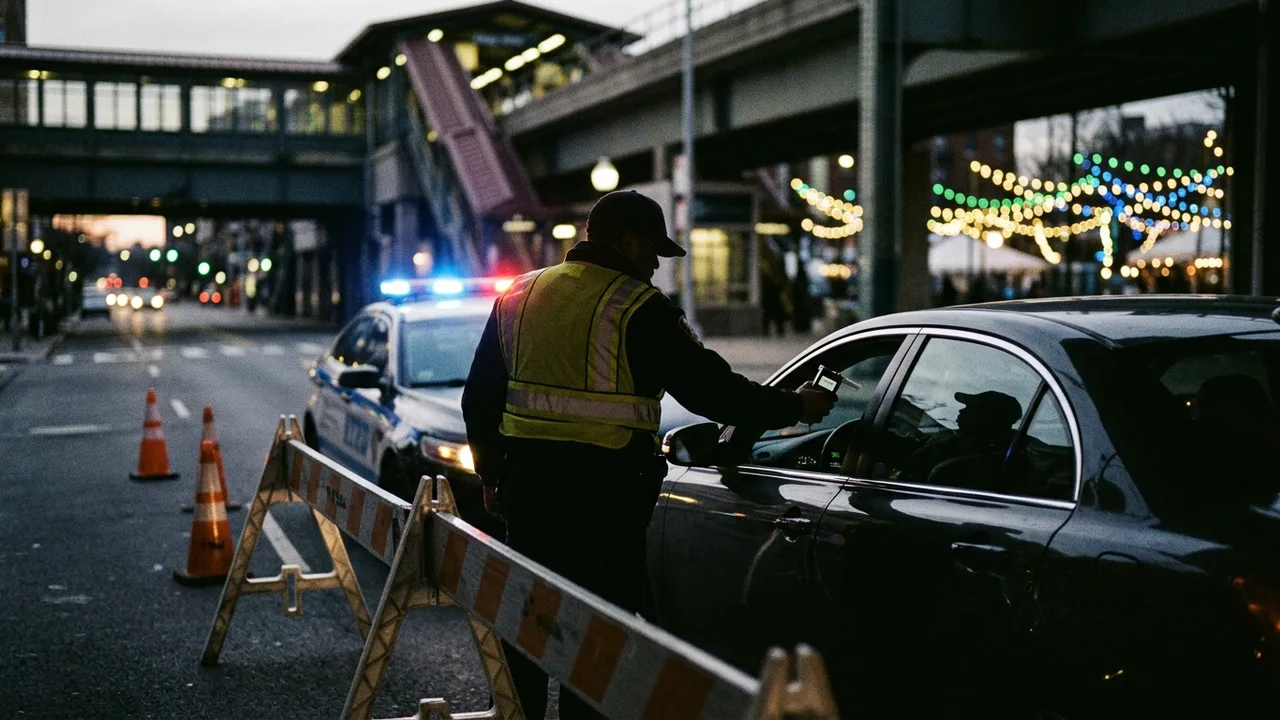
Enforcement is checkpoint-heavy and festival-seasonal: weekend night barricades in every metro, breathalysers at scale around New Year, Holi and Diwali, and hundreds of licences suspended per city per festival window.
The breathalyser encounter: rules and rights
Police may require a breath test on reasonable suspicion — erratic driving, checkpoints, post-accident. Practical realities:
- Refusal doesn't help: Section 185 prosecutions proceed on refusal plus officer evidence, and refusal invites arrest for the blood test the law authorises. The "never blow" advice circulating on WhatsApp is a conviction strategy.
- You can request the mouthpiece be fresh (hygiene, and standard practice) and note the device's reading; blood tests at a hospital follow for contested or post-accident cases.
- Digital documents (DigiLocker) remain valid at these stops; cooperation on documents while declining nothing lawful is the clean protocol.
- The classic myths all fail chemistry: coffee, mints, a splash of water, "I only had beer," and the hour's nap change breath alcohol marginally or not at all. Time is the only eliminator — roughly one standard drink per hour, uncompressible.
The morning after, Indian edition
Late weddings and long festivals produce India's least-discussed drunk-driving cohort: the 7am driver still over 30 mg from a 2am last drink. The arithmetic at a strict limit is unforgiving — a heavy night can leave you illegal well past sunrise. Checkpoint patterns increasingly include morning-after windows near event venues; plan the morning ride with the same seriousness as the night's.
The questions drivers actually ask
Is there any "safe" number of drinks? At 0.03%, no honest one. Body-weight charts mislead individuals; the only reliable rule is separating drinking nights from driving entirely — the cab economy exists exactly for this.
Can a passenger be fined for being drunk? Being an intoxicated passenger isn't a s.185 offence — but a drunk owner permitting an unlicensed or drunk person to drive their car attracts owner liability, and public-nuisance provisions exist. The sober-driver plan protects everyone in the car.
Do two-wheelers get tested equally? Absolutely — riders are the largest share of checkpoint detections and of drunk-driving fatalities. The helmet doesn't argue with the breathalyser.
What about cab and delivery drivers? Transport-licence holders face the practical zero standard, employer policies stack on top of the statute, and platforms deactivate accounts on a single verified incident — for the professional driver, the only workable number is none at all.
Key takeaways
- India's limit is 30 mg/100 ml (0.03%) — roughly one drink for many adults, and effectively zero for commercial drivers
- First conviction: up to ₹10,000 and/or six months; repeats up to ₹15,000 and two years, plus suspension
- Insurance excludes drunk driving — own-damage denied and third-party payouts recovered from you
- Refusing the breathalyser doesn't avoid prosecution; time is the only thing that lowers BAC
- Festival nights and mornings-after are enforcement seasons — solve the ride before the first drink
Sources & further reading
- Motor Vehicles Act s.185 and Amendment Act 2019 penalties
- IRDAI motor policy exclusion wordings
- metro traffic-police enforcement drives
- BAC pharmacology references, 2026. General information, not legal advice.
Figures, prices and policy details were current at the last-updated date above. Automotive pricing, incentives and regulations change frequently — verify time-sensitive details against the primary sources listed below. Read our editorial policy and fact-checking standards.